


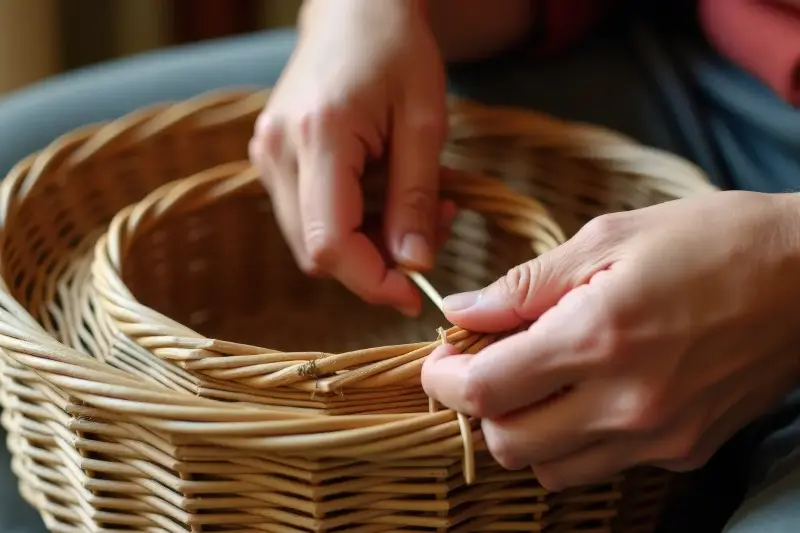
A hand-thrown clay pot, a woven basket, a carved wooden toy, or a length of hand-dyed cloth can carry far more than practical value. In many craft villages, skills have traveled through families for centuries, shaping local identity as surely as language, food, and music. Yet across the world, these villages are changing as older artisans retire, young people seek urban careers, and factory-made goods undercut handmade prices.
The shift can feel like a cultural loss, but it is also part of a wider economic change that brings education, mobility, and new choices to rural communities. The real question is not whether tradition should remain frozen in time, but whether craft communities can be supported to evolve sustainably without losing the knowledge that makes them unique.
More Than Handmade Objects
Traditional crafts are often living archives. A weaving pattern may preserve stories about local history and landscapes, while pottery techniques reveal how communities adapted to available clay, water, and natural materials.
- Cultural Knowledge: Metalwork, woodworking, embroidery, and basketry contain practical knowledge developed and refined over generations.
- Global Examples: Japan's Bizen village is famous for unglazed wood-fired pottery, India's Varanasi is renowned for handloom silk brocades, and Moroccan women create distinctive woven rugs reflecting regional identity.
- Economic Foundations: A thriving craft village creates work not only for makers, but also for suppliers, transport providers, local guides, and hospitality businesses.
Visitors are consistently drawn to places where they can meet artisans and understand how objects are crafted, bringing vital income directly to the community.
Why the Workshops Are Falling Silent
The most immediate challenge facing traditional craft villages is financial stability. Handmade work is slow, demanding, and difficult to price fairly when competing with rapid machine production.
- Evolving Ambitions: Apprenticeships take years, and earnings can be uncertain. Moving to vibrant cities offers young people regular wages, access to universities, and broader opportunities.
- Global Supply Chains: Mass-produced goods have quickly replaced locally made household items, from synthetic textiles competing with hand spinners to plastic containers replacing traditional baskets.
- Environmental Pressures: Changing weather patterns can limit access to natural materials like clay, plant fibers, and specific timber, making raw ingredients harder to source.

Loss or Necessary Change
Calling every changing craft village a tragedy can overlook the genuine choices of the people who live there. No community should be expected to avoid modern progress simply to preserve a traditional image.
The problem arises when change is driven by hardship rather than choice. When a master craftsperson leaves a trade without an apprentice, centuries of specialized knowledge can vanish in a single generation.
Traditional crafts offer powerful lessons for modern sustainability. They rely on local materials, repairable designs, and low-waste methods. Natural clay vessels, wooden tools, and handwoven textiles provide inspiring, durable alternatives to disposable goods.
New Paths for Old Skills
Forward-thinking villages are finding creative ways to adapt to modern life while keeping their heritage vibrant and relevant:
- Digital Marketplaces: E-commerce platforms allow artisans to connect directly with global buyers, supported by local cooperatives that help set fair prices.
- Contemporary Design Partnerships: Traditional weavers and ceramicists collaborate with modern designers to create contemporary home goods using historic techniques.
- Modern Education: Community programs combine traditional apprenticeships with business, marketing, and digital skills, giving future artisans greater control over their careers.
- Sustainable Tourism: Visitors who participate in hands-on workshops and buy directly from makers provide meaningful, dignified income.

Preserving the Story Behind the Craft
The evolution of craft villages proves that cultural knowledge needs living economic support. A tradition survives best when people can earn a dignified living, adapt their work to modern life, and choose their path freely.
Behind every woven cloth or carved bowl is time, skill, and a human story. Protecting that story does not mean resisting change—it means making sure modern progress leaves room for the people who enrich our world by hand.