


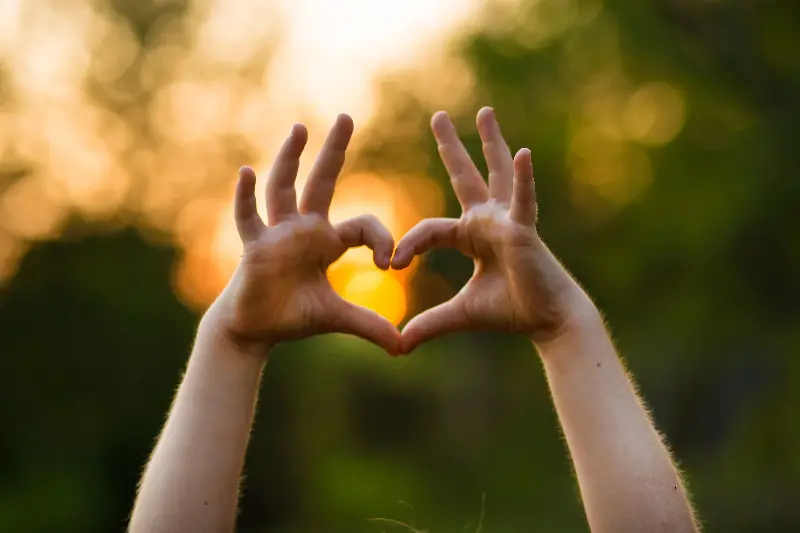
In a world that often seems to move at lightning speed, where distractions and obligations pull us in every direction, kindness can sometimes feel like a forgotten language. However, the truth is that kindness is not just serendipity—it is a conscious choice we make daily.
Choosing to be kind may seem like a small thing, but simple gestures can create ripples that transform lives, often in ways we might never fully realize. It is the invisible thread that stitches a fractured society back together, proving that empathy is a superpower available to everyone.
UNDERSTANDING THE POWER OF KINDNESS
Kindness is more than a social nicety; it is a reflection of emotional intelligence. Science now supports what many of us have felt intuitively: giving, receiving, or even witnessing kindness causes our brains to release oxytocin, the so-called “love hormone”.
This chemical reaction provides tangible health benefits:
- Lowering blood pressure by expanding blood vessels.
- Reducing cortisol levels, which directly combats chronic stress.
- Boosting cardiovascular health through increased emotional warmth.
Interestingly, kindness is contagious. Researchers have found that when people observe or receive kindness, they are much more likely to “pay it forward,” creating a domino effect that influences families, workplaces, and entire communities. Making the choice to be kind, even in small ways, can turn one person’s difficult day into one that feels hopeful.
SMALL GESTURES WITH BIG IMPACT
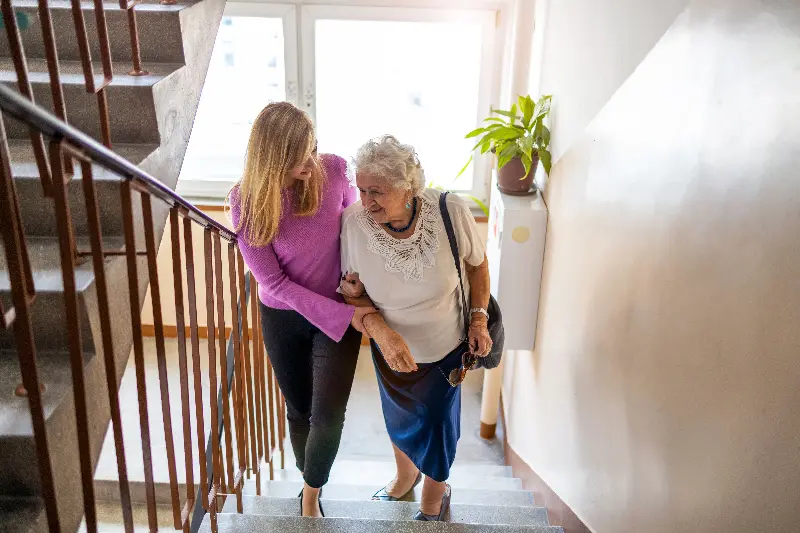
You do not need grand, cinematic gestures to practice kindness. It is often the micro-moments that leave the deepest impressions. Consider these effortless yet transformative actions:
- Holding a door open for someone struggling with heavy packages.
- Offering a genuine smile to a stranger who looks visibly overwhelmed.
- Yielding your spot in a long queue to someone in a hurry.
- Actively listening without the urge to interrupt or give unsolicited advice.
Every culture around the globe values kindness, though expressions vary. In Japan, the practice of omotenashi represents a selfless approach to hospitality where people anticipate others' needs without expecting gratitude. In numerous other cultures, sharing food or checking in on neighbors are powerful acts of social bonding. These aren’t merely customs; they are lifelines that create a sense of belonging.
In the digital age, kindness must also transition to our screens. Complimenting someone’s work in a group chat or defending someone against unwarranted criticism can dramatically shift the online environment for the better. The choice to use technology for kindness helps tackle the perception that social media is only a vacuum for negativity.
KINDNESS AS AN EVERYDAY PRACTICE
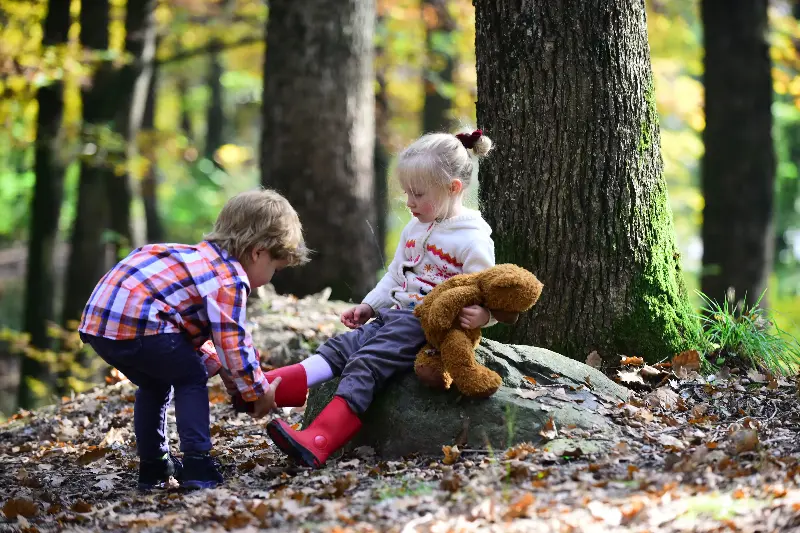
Making kindness a daily habit is less about personality and more about deliberate intention. People who actively look for opportunities to help or comfort others develop greater self-awareness over time. This doesn’t mean being endlessly agreeable or neglecting personal boundaries; rather, it’s about recognizing moments where empathy is the most effective tool in the room.
If you’re unsure where to begin, reflect on these prompts:
- When did a kind word renew your energy during a bad week?
- Who was the last person to make you feel truly "seen" in a crowd?
- How can you replicate that feeling for a colleague or a friend today?
Volunteering is another profound way to embrace this practice. Whether it’s mentoring students, visiting the elderly, or cleaning up a local park, volunteering offers a sense of purpose and community. Studies consistently show that people who dedicate time to others feel less lonely and more satisfied with their own lives.
THE SCIENCE BEHIND WELL-BEING
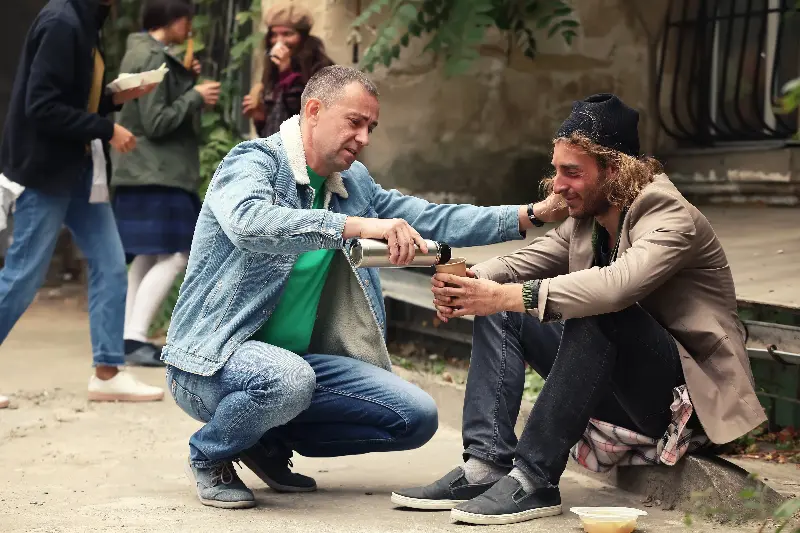
The personal benefits of kindness are not just emotional; they are biological. Studies published in journals such as Emotion and Psychological Science reveal that regular acts of kindness increase life satisfaction and reduce social anxiety.
When people are kind, their bodies produce endorphins, often referred to as the “helper’s high”. This natural chemical surge enhances well-being and can even act as a mild pain reliever. Furthermore, kindness fosters strong social connections, which is a primary indicator of long-term longevity. People with supportive, kind relationships tend to live longer, healthier lives than those who remain isolated.
OVERCOMING BARRIERS TO COMPASSION
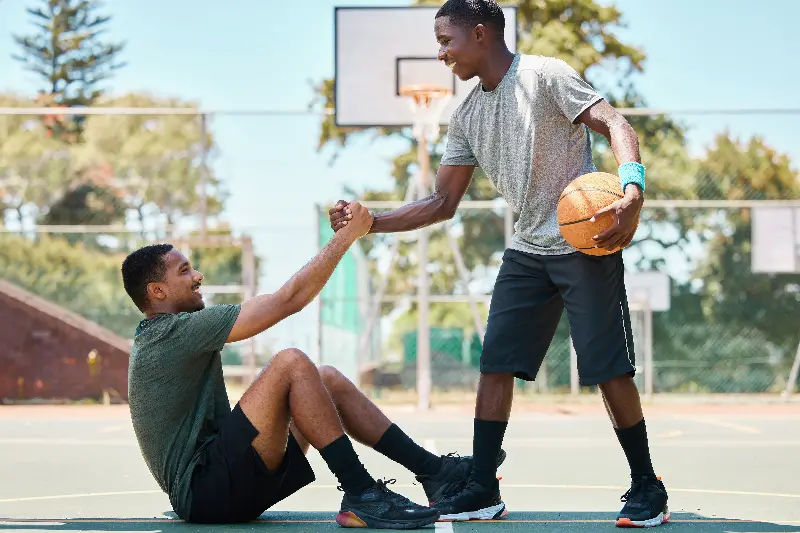
Despite the clear benefits, many people hesitate to act out of a fear of rejection or being misunderstood. Social pressures or personal anxieties can make the idea of reaching out feel intimidating. However, it’s empowering to remember that no act of kindness is ever wasted.
Cultivating a mindset of kindness serves as a buffer against cynicism. It trains the brain to look for the good in others and reminds us that our actions—however minor—matter greatly in a sometimes chaotic world. Kindness is a choice that belongs to everyone. By making it a habit, we not only uplift those around us but also enrich the very fabric of our own lives.