



New gadgets often arrive with a burst of excitement: sleek designs, clever promises, and reviews showing how they might transform everyday life. Yet many end up forgotten in drawers or cupboards within months.
The problem is rarely poor quality. More often, a product solves a problem that was never important enough to justify its cost, charging routine, or space on the counter. Research into consumer behavior shows that people are deeply influenced by novelty—often called the "shiny object" effect—where marketing attention is mistaken for genuine usefulness.
The Difference Between a Demo and Daily Life
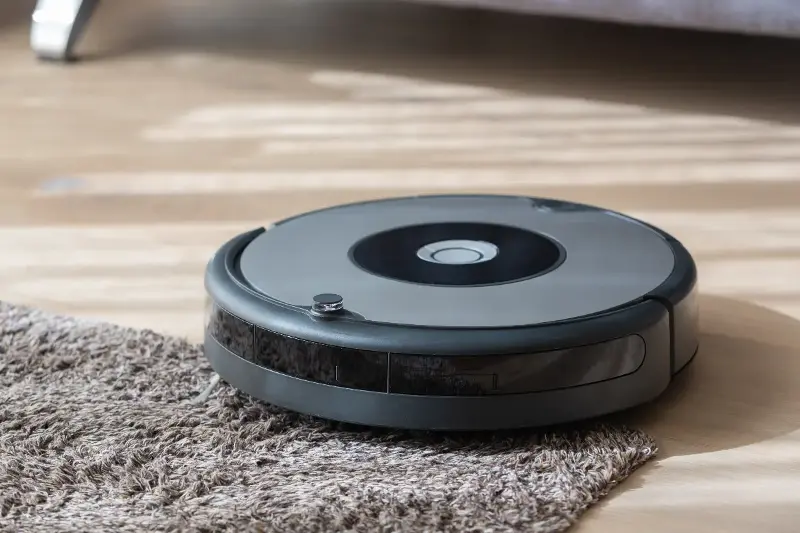
Many gadgets are designed to look brilliant in a 30-second demonstration. A robot vacuum gliding across a spotless floor or a compact blender making a colorful smoothie appears essential on video. However, daily life is far less polished:
- Real-world obstacles: Floors have cables, furniture, and tight corners; devices require continuous charging, software updates, and storage.
- The "Tuesday Test": Ask yourself how an item fits into an ordinary, busy Tuesday when time and energy are short. If using it requires changing several habits, it is likely more aspirational than practical.
- The single-purpose trap: Specialized items like mini waffle makers, egg cookers, or countertop ice makers work well, but most households already own versatile tools that handle similar tasks without extra clutter.
Why Cheap Gadgets Can Be Expensive Mistakes
A low price can make an impulse purchase feel harmless, but the true cost of a device extends far beyond the checkout counter:
- Hidden recurring costs: Factor in replacement parts, required subscriptions, expensive ink cartridges, batteries, and electricity use.
- The price of digital storage: Discounted security cameras or doorbells often require monthly cloud storage plans to unlock basic features.
- Visual clutter: Studies show that crowded living spaces increase daily stress. A rarely used device still claims physical room and mental attention.

Escaping the Upgrade Cycle
Technology marketing encourages replacing products that still function perfectly. New phones, watches, and laptops launch on predictable cycles with incremental updates that sound dramatic on paper but offer modest real-world changes.
- Target specific frustrations: Upgrade when an existing device has a cracked screen, an unreliable battery, or cannot run necessary software.
- Avoid upgrading for novelty: A slightly faster processor matters for video editing, but makes little difference for messaging, browsing, and streaming.
- Pause before buying: If the main motivation to buy is simply "mine feels old", waiting two weeks usually reveals whether the desire was genuine or fueled by launch-day hype.

Evaluating Features That Sound Better Than They Work
Some functions exist primarily for packaging appeal. Touch controls look modern but can be frustrating on wet hands, and app-connected appliances sound high-tech, yet few people want to use a phone to operate a kettle or light bulb.
Prioritize products with simple controls, standard charging ports, repair options, and reliable long-term software support over short-lived trends.
Smart Habits for Thoughtful Shopping
Slowing down your purchasing process prevents buyer's remorse:
- Use a 48-hour pause: Leave non-essential items in your online cart for at least two days before buying.
- Seek long-term reviews: Read feedback from owners who have used the product for several months, paying attention to repeated complaints about battery decay or software bugs.
- Consider refurbished options: Buying certified refurbished tech with a warranty is a fantastic way to save money on mature devices like tablets, laptops, and e-readers.
The most satisfying technology rarely makes the most noise. By focusing on daily habits and total ownership costs, you can invest in devices that genuinely make life simpler and more enjoyable.