


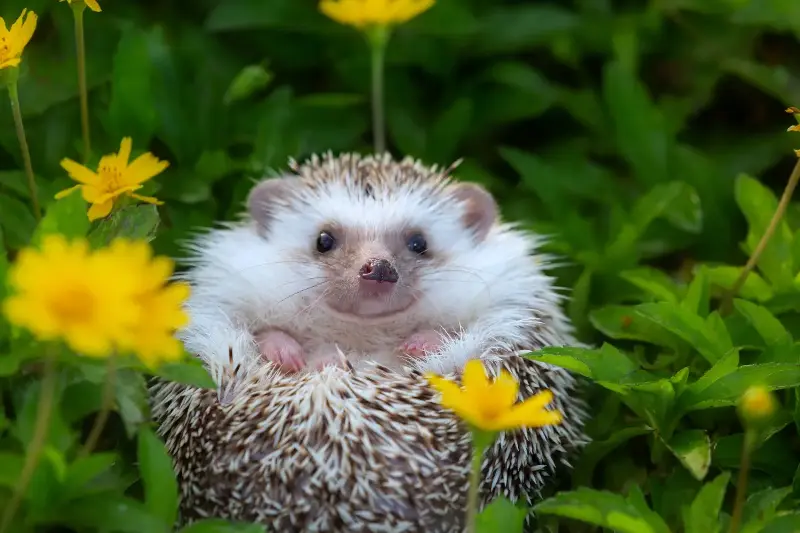
Few things lift a mood as quickly as an animal with soft fur, curious eyes, and a talent for looking completely content. From tiny mammals that fit in a hand to giant creatures that seek out gentle contact, the animal kingdom is full of faces made for admiration. While not every adorable species is suitable as a household companion, learning about their affectionate habits offers a heartwarming reminder of how social, sensitive, and surprising animals can be.
The Red Panda
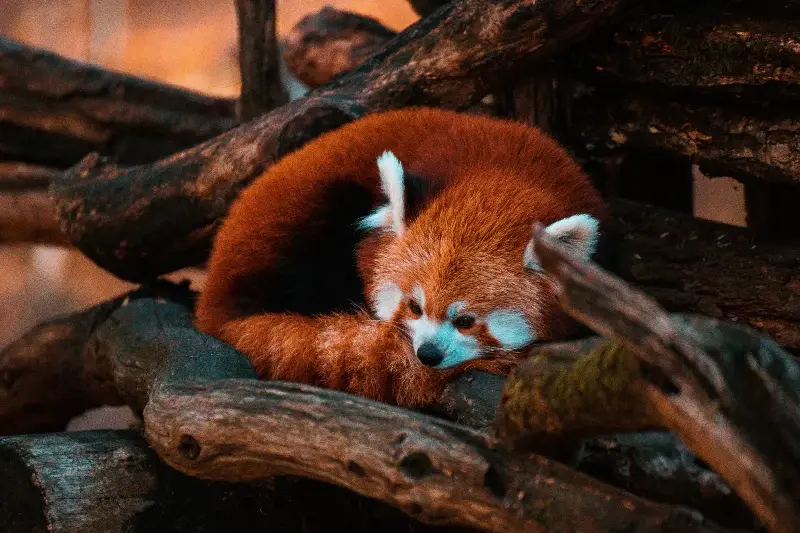
Red pandas may look like a blend of a fox, raccoon, and teddy bear, but they belong to their own unique family (Ailuridae). Native to the temperate forests of the Himalayas and southwestern China, these tree-dwelling animals rely on their thick reddish fur and bushy striped tails to stay warm in cool mountain habitats.
- Cozy Habits: Their most charming habit is curling into a tight ball with their tail wrapped over their face like a blanket.
- Snow-Ready Paws: Fluffy padding on their paws provides grip and insulation when navigating snowy branches.
- Conservation Focus: Although they appear gentle, red pandas are wild animals with sharp claws. Their lovely appearance draws essential attention to forest conservation efforts.
The Sea Otter
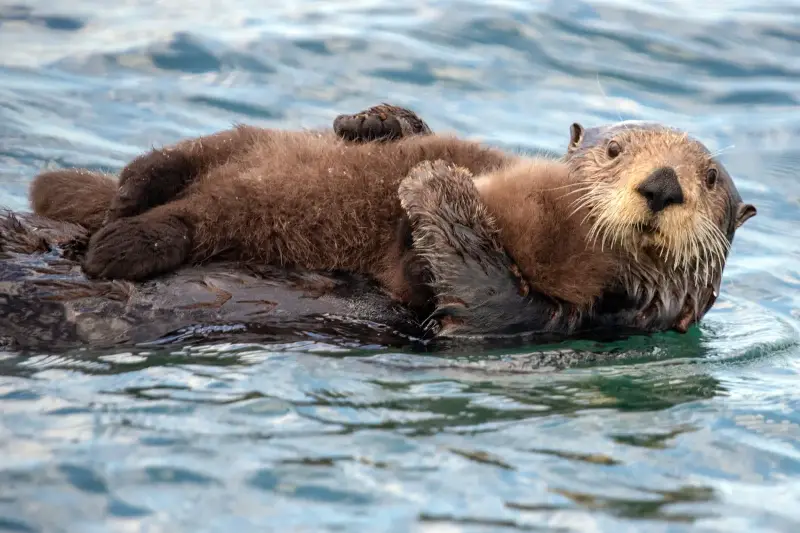
Sea otters are often celebrated as nature’s floating cuddle experts. They spend much of their lives in the cold coastal waters of the North Pacific, where their dense fur keeps them warm. A sea otter can have up to one million hairs per square inch—the densest coat of any mammal.
- Holding Paws: Sea otters famously link paws with partners or family members so they do not drift apart while sleeping.
- Tender Care: Mothers wrap their pups in kelp or place them gently on their chests while searching for food.
- Smart Survival: This endearing behavior is practical as well as sweet, keeping vulnerable young otters safe in moving ocean currents.
The Quokka
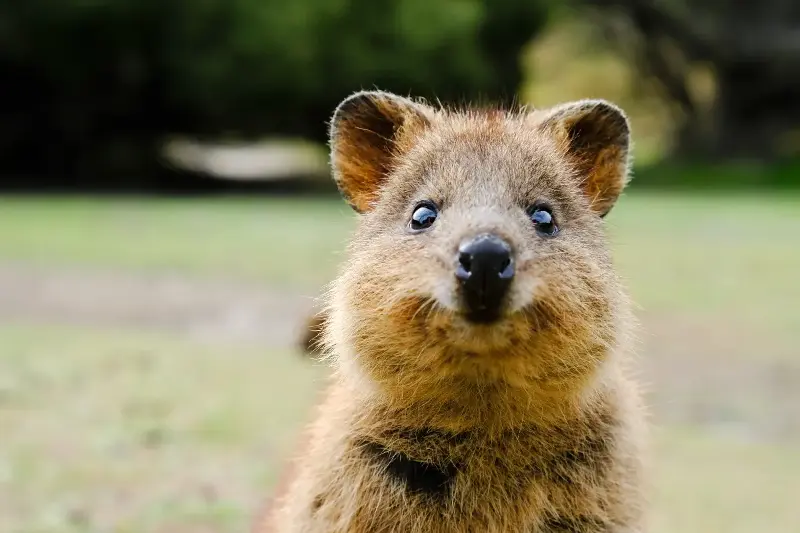
The quokka, a small marsupial from Western Australia, has earned international fame for its cheerful facial structure. Its rounded ears, button nose, and upturned mouth make it look as if it is constantly smiling. Quokkas thrive on Rottnest Island, where they enjoy a peaceful, protected environment.
Despite their friendly image, quokkas should always be admired from a respectful distance without feeding or handling. Their appealing faces offer a wonderful lesson in responsible wildlife tourism—enjoying animals safely while preserving their natural instincts.
The Capybara
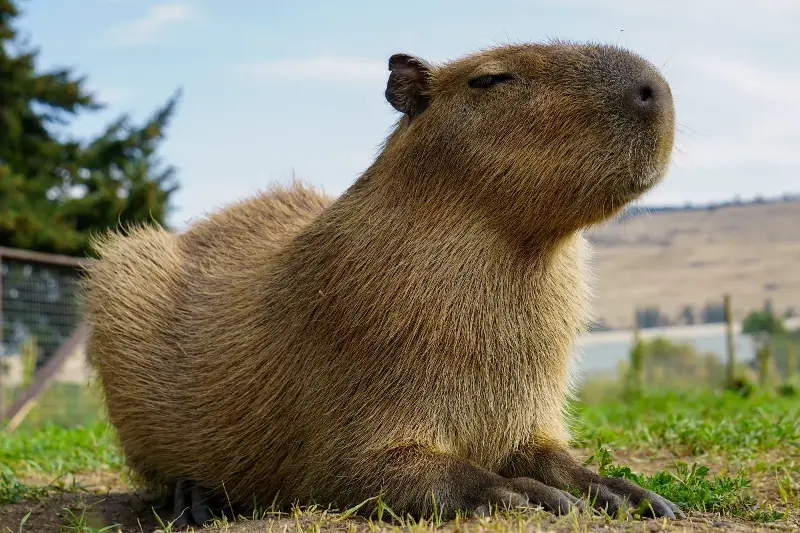
Capybaras are the world’s largest rodents, yet their relaxed personality gives them a universally lovable reputation. Native to South America, they spend their days swimming, grazing, and resting in groups near rivers and wetlands.
- Social Harmony: Capybaras are remarkably tolerant and are often seen sitting peacefully alongside birds, turtles, and monkeys.
- Vocal Communication: They live in close-knit family groups and communicate through a series of whistles, purrs, barks, and clicks.
- Specialist Needs: While they appear effortlessly approachable, capybaras require large aquatic spaces, herd companionship, and expert care.
The Fennec Fox
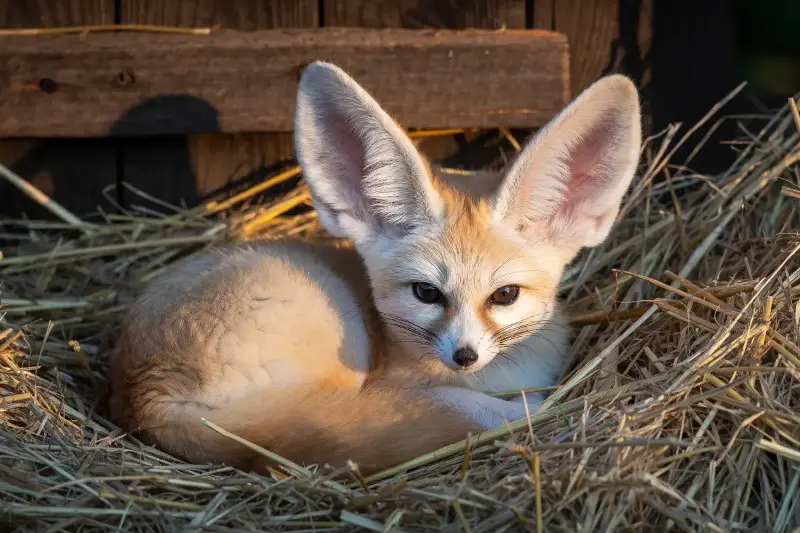
With ears that seem almost too large for its tiny frame, the fennec fox is one of the most instantly recognizable animals of the Sahara Desert. Weighing just two to three pounds, these pale cream-coated foxes are built for desert life.
- Built-in Cooling: Oversized ears help release excess body heat while detecting subtle prey movements underground.
- Protected Paws: Thick fur covers their paw pads to guard against scalding desert sand.
- Family Bonds: Fennec foxes are highly social, resting together in subterranean burrows during the heat of the day.
The Giant Panda
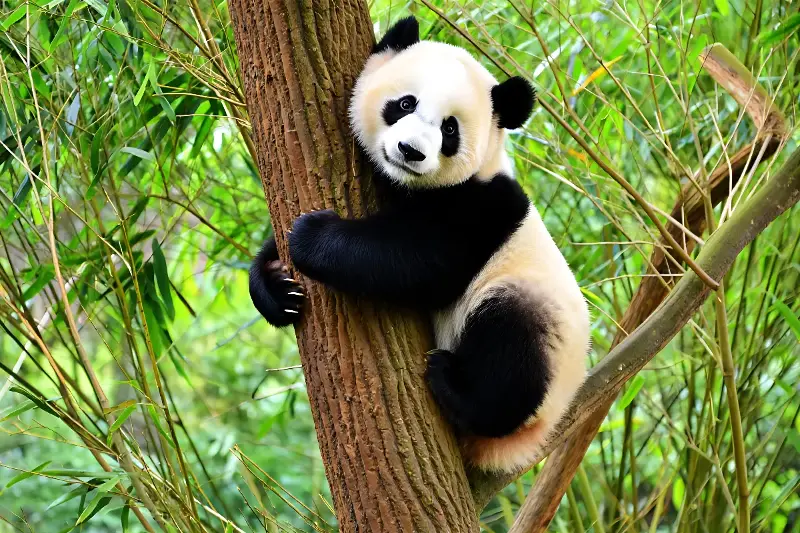
Giant pandas are famous for their bold black-and-white coats, round faces, and endearing habit of lounging like oversized plush toys. Native to the mountain forests of central China, bamboo makes up over 99 percent of their daily diet.
- Remarkable Growth: Panda cubs weigh a tiny 90 to 130 grams at birth, yet grow into adults weighing over 200 pounds.
- Dedicated Grazers: Because bamboo is fibrous, pandas spend 10 to 16 hours every day happily feeding.
- Conservation Success: Thanks to active habitat protection and breeding programs, giant pandas are now officially classified as vulnerable rather than endangered.
The Domestic Rabbit
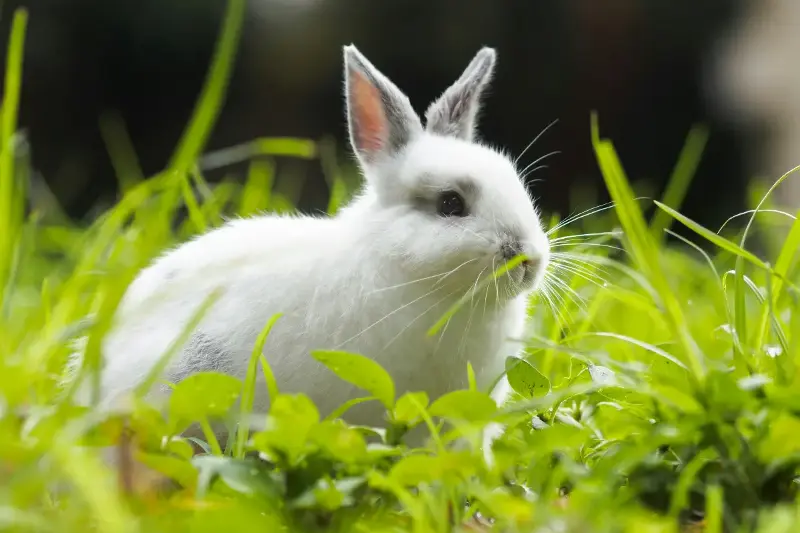
For those seeking a loving companion at home, domestic rabbits bring endless warmth and comfort. Their velvety ears, soft coats, and quiet presence make them delightful family members.
- Surprising Intelligence: Rabbits can learn daily routines, respond to their names, and use litter trays easily.
- Expressing Joy: A happy rabbit communicates pure delight through a binky—a joyful leap and mid-air twist.
- Attentive Care: Rabbits thrive when given ample space to hop, chew-safe toys, fresh hay, and daily interactive affection.
Cuddle-worthy animals bring joy because they remind us of warmth, connection, and gentleness. Whether it is an otter holding a paw, a panda nibbling bamboo, or a rabbit doing a binky across the floor, these creatures offer plenty of reasons to smile.