


Parents everywhere share a common hope: to give their children every possible advantage to thrive, grow strong, and reach their full height potential. Many people believe that drinking plenty of milk is the magic bullet for growing tall. While dairy does provide important nutrients, height development is much more complex and fascinating. Nutrition plays a key role, but the secret isn’t hiding at the bottom of a glass of milk. Let’s explore how to unlock your child’s full growth potential with a balanced approach that goes beyond the breakfast table classic.

The Science Behind Growing Tall
Height is influenced by a combination of genetics, hormones, sleep, physical activity, and—crucially—nutrition. Around 60-80% of an individual’s height is determined by genetics, but the remaining potential can be swayed by external factors. What your child eats, especially during growth spurts (infancy to age 5, and then again during puberty), is a powerful determinant in the process.
The human body requires a fascinating array of nutrients to build and elongate bones, generate new cells, and fuel the hormones that drive growth. Although you can’t change your child’s DNA, you absolutely can optimize their nutrition to help them reach their inherited potential.
Protein: The Real Growth Superstar
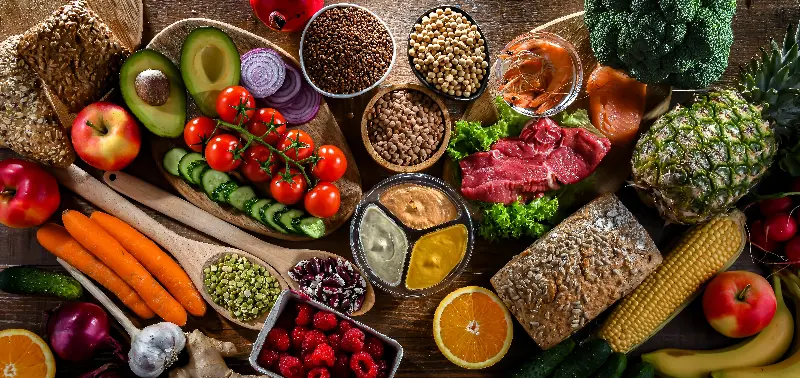
The significance of protein in your child’s diet cannot be overstated. Protein is the building block of muscles, bones, and tissues. Unlike calcium—which is often hyped for bone health—protein actually creates the scaffolding on which bones are formed. Eggs, chicken, fish, lentils, tofu, beans, and Greek yogurt are protein-rich foods you should feature regularly in your child’s meals.
Research shows that children who consume adequate protein show significantly better growth. Over several decades, studies tracking populations in countries with protein-deficient diets have found stunted growth is a common issue. Building every meal around a quality protein source can make a real difference.

Beyond Calcium: Other Bone-Building Nutrients
Calcium’s role in bone health is well known, but it’s hardly the only mineral vital for building long, sturdy bones. For instance, vitamin D is a powerful partner for calcium. Without enough vitamin D, the body cannot absorb and use calcium efficiently. The best source? Sunshine—just 15 to 30 minutes a day of outdoor play can help. Fatty fish like salmon and mackerel, fortified cereals, and eggs also provide a boost.
Zinc is another unsung hero in the story of height. Found in foods such as pumpkin seeds, shellfish, chickpeas, and nuts, zinc deficiency can slow growth and impair immune function. In one study published in “Pediatrics,” children who were supplemented with zinc grew taller at a faster rate compared to their peers.
Magnesium and phosphorus are also crucial to keep on your radar. They help convert vitamin D into its active form and stabilize the structure of developing bones. Leafy green vegetables, nuts, seeds, and whole grains are all rich sources.
The Colorful World Of Fruits And Veggies
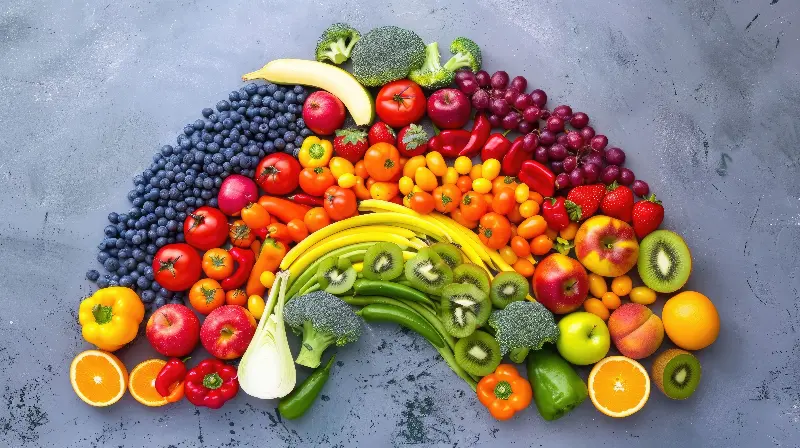
One of the sweetest secrets to unlocking height potential might be found in your salad bowl. Fruits and vegetables are loaded with vitamins such as vitamin C and vitamin K, antioxidants, and plant-based compounds that support bone growth and cellular repair. Oranges, strawberries, broccoli, and bell peppers deliver plenty of vitamin C, which is essential for collagen formation—a key protein in bones and cartilage.
Cruciferous vegetables like bok choy, kale, and collard greens also provide a surprising amount of calcium, along with other minerals and phytonutrients that support the hormone activity behind growth. Regularly including a rainbow of fruits and veggies on your child’s plate doesn’t just encourage healthy bones; it sets the stage for lifelong wellness.
The Role Of Healthy Fats
Fats have long been misunderstood, especially when it comes to children’s health. However, kids need a variety of healthy fats to facilitate the absorption of fat-soluble vitamins (A, D, E, and K), which are all deeply involved in growth. Omega-3 fatty acids, found in fatty fish, chia seeds, walnuts, and flaxseed, deserve special mention. These essential fats promote bone health and improve cell function. Drizzling olive oil over veggies or adding avocado to sandwiches are simple ways to make every bite count.
