


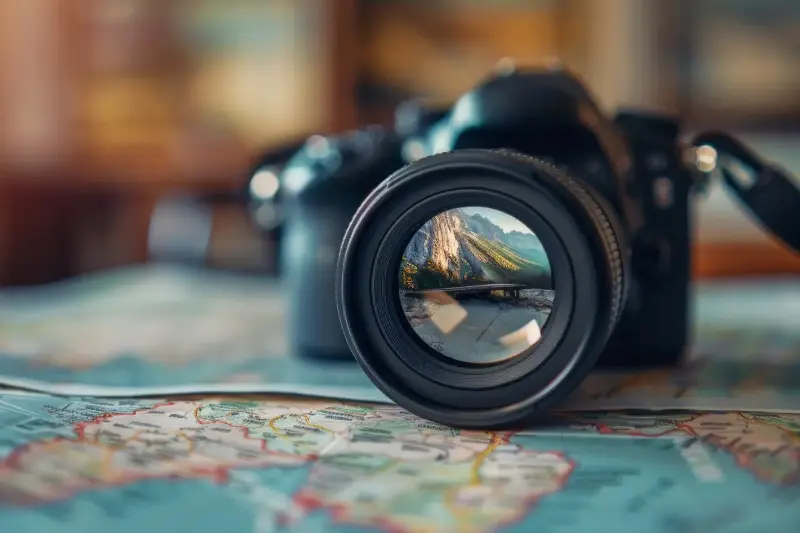
Travel has never been easier to display. A few taps can turn a sunset, a hotel breakfast, or a famous monument into proof of an exciting getaway. Yet the difference between collecting check-ins and having a meaningful trip is often felt long after the photos are posted. One approach asks, "What can I show?" The other asks, "What can I learn, feel, taste, or remember?"
There is nothing wrong with enjoying beautiful places or sharing a travel highlight. Photographs preserve joy and inspire others. The fundamental question is whether the image becomes the primary purpose of the journey. When every hour is planned around the next recognizable backdrop, travelers may leave with a full camera roll but very little connection to the place itself.
The Rise of the Check-In Trip
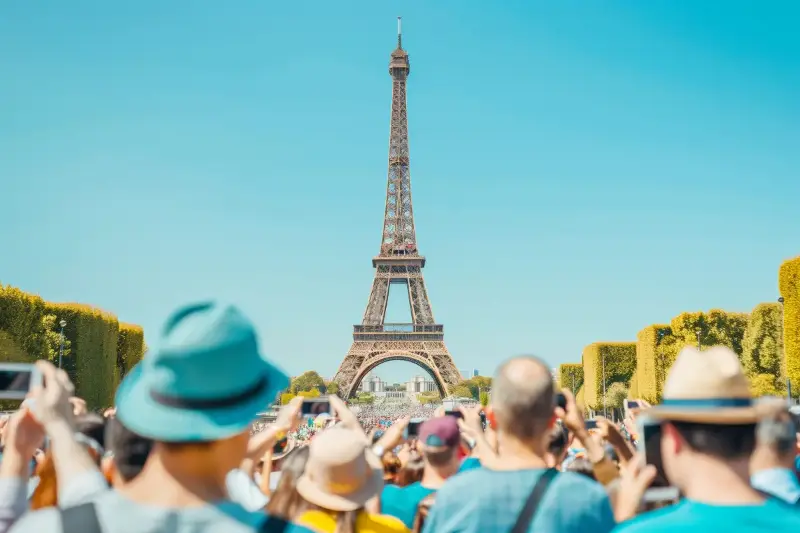
Check-in travel is built around visible achievements: visiting a landmark, staying in a fashionable hotel, eating at a viral restaurant, or reaching a destination before friends do. Social platforms have made certain locations instantly recognizable, from whitewashed coastal churches to lush bamboo groves and illuminated city squares.
The attraction is understandable, as famous places are often famous for good reasons:
- Historic Landmarks: Towering monuments offer remarkable engineering and history.
- Natural Wonders: Massive canyons and coastal cliffs provide genuine awe.
- Cultural Markets: Busy food stalls instantly reveal a city's vibrant energy.
The challenge begins when travelers race from one "must-see" spot to another without leaving room for surprise. A packed itinerary creates an illusion of depth, yet visiting ten attractions in three days can mean missing the authentic rhythms of daily life—morning commuters grabbing espresso, neighborhood bakeries opening, or the quiet shift of light before evening.
What Authentic Experience Really Means
Authentic travel does not require avoiding popular attractions or pretending to live like a local. Visitors are visitors, and there is no need to perform simplicity. Instead, authenticity is about attention, curiosity, and respectful participation.
An authentic experience might take several forms:
- Sharing a Local Meal: Enjoying a long lunch in a family-run establishment where the owner explains a regional dish.
- Exploring History: Joining a walking tour led by a local historian to understand neighborhood architecture.
- Engaging with Markets: Shopping where residents buy everyday ingredients rather than mass-produced souvenirs.
For instance, travelers visiting coastal Europe might enjoy famous city viewpoints, but they can also discover the region through a small family venue serving fresh fish or a train ride to a quieter town. The key difference lies in engagement: check-ins confirm presence, while experiences create genuine understanding.
Slowing Down to Notice More
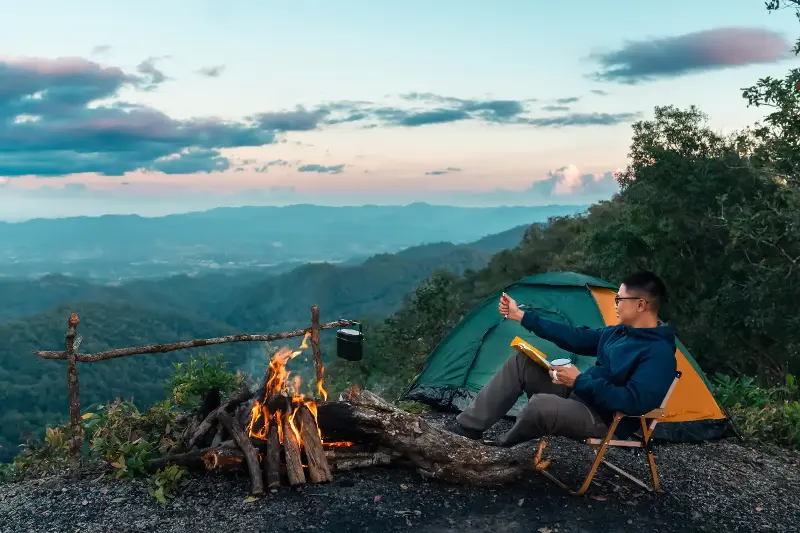
Mindful travel often starts with a simple decision: do less. Leaving blank space in an itinerary may feel risky when time is short, but it frequently produces the strongest memories. A free afternoon can lead to an unexpected street festival, a hidden courtyard, or a warm conversation.
Consider these simple practices for a more immersive journey:
- Set a Gentle Pace: Choose one main activity each day, then let the remaining hours unfold naturally.
- Engage the Senses: Walk without headphones for part of the day and sit in a public square to observe local life.
- Minimize Distractions: Take fewer photos deliberately to make room for stronger sensory memories.
Psychological research supports the value of slowing down. People remember experiences more deeply when they are fully present rather than constantly checking maps, reviews, or camera angles.

Spending in Ways That Connect
Where tourism money goes matters immensely. Staying in independently owned accommodation, hiring local guides, buying crafts directly from artisans, and eating regional dishes keeps more income within the community.
A locally led food tour can reveal the heritage behind a dish while supporting small vendors, while a community-run nature initiative offers better conservation practices. Respecting local guidelines, entry limits, and photo rules further protects historic sites and residents' daily lives.

Letting Curiosity Replace Performance
Before booking an activity, ask yourself: "Would I still want to do this if nobody saw the photos?" If the answer is yes, the experience holds true personal value.
Travel becomes far more rewarding when it is not treated as a competition:
- Embrace the Simple Moments: A rainy afternoon spent reading in a cozy café can be just as memorable as a famous viewpoint.
- Welcome Imperfections: View flight delays or weather changes as natural plot twists rather than ruined plans.
- Seek Genuine Connection: Focus on building perspectives that remain meaningful long after the location tag disappears.
Ultimately, your spine of memories does not need social validation; it simply needs rich variety and presence. A few moments of intentional immersion can turn a simple trip into a lifelong transformation.