


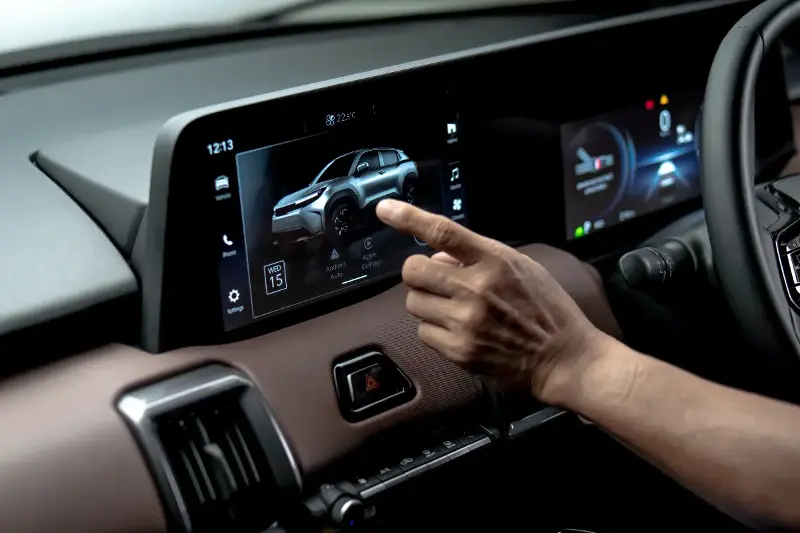
Most drivers learn the obvious dashboard controls first: headlights, windshield wipers, hazard warning lamps, and the audio system. Yet one of the most effective climate-control tools is often overlooked for months—or even years. It is the air recirculation button, typically identified by a small vehicle icon containing a curved, looping arrow.
This control performs a simple yet remarkably powerful function. Instead of continuously pulling in outside air, it closes the intake vent and reuses the air already inside your cabin. Used strategically, this feature can elevate your driving comfort in several key ways:
- Speed up cooling or heating to reach your ideal cabin temperature faster.
- Reduce unpleasant roadside odors from affecting your interior environment.
- Protect passengers by minimizing exposure to outside dust and pollen.
How the Recirculation System Operates
Understanding how air flows through your vehicle helps you make the most of your climate settings:
- Fresh-Air Mode (Default): The ventilation system draws air from outside through intake vents near the windshield. This air passes through your cabin filter, travels through the heating or cooling unit, and enters through your dashboard vents.
- Recirculation Mode: The intake valve closes, halting the stream of outside air. Instead, the system continuously recycles the air already inside the vehicle. The fan and air conditioner operate as normal, but the system is no longer working to condition new air from the street.
While the icon symbol can vary slightly between vehicle manufacturers, it almost always features the outline of a car with an internal looping arrow. Many modern vehicles also feature smart climate systems that automatically activate recirculation when selecting maximum cooling or when detecting elevated outdoor particulates.
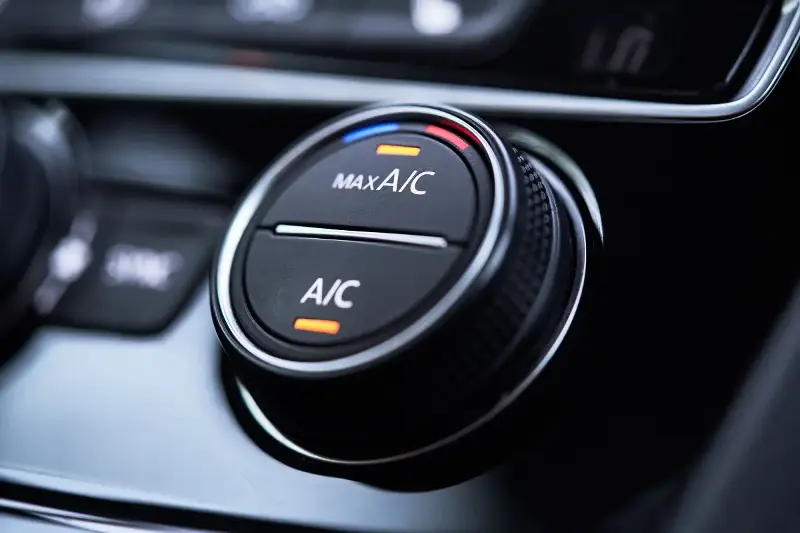
Accelerating Cabin Cooling and Enhancing Efficiency
The most popular application for recirculation is on hot, sunny days. Entering a vehicle parked under direct sunlight can feel intense, as interior temperatures climb rapidly.
To cool your vehicle as efficiently as possible, follow this simple sequence:
- Ventilate first: Roll down the windows briefly or run the system on fresh-air mode to push out the trapped, hot air.
- Seal and cool: Once the air conditioner is running, roll up the windows and switch on recirculation.
By switching to recirculation, your air conditioner chills air that is already partially cooled, rather than repeatedly working to chill scorching exterior air. This practice delivers significant benefits:
- Faster comfort: Reaches a pleasant temperature in a fraction of the time.
- Reduced system strain: Decreases workload on the air-conditioning compressor.
- Energy savings: Optimizes fuel efficiency in traditional cars and preserves driving range in electric vehicles.
A Reliable Shield Against Roadside Odors
Recirculation acts as an excellent barrier when driving through areas with low air quality. Engaging this setting is ideal when traveling through:
- Busy city intersections or slow-moving bumper-to-bumper traffic.
- Long road tunnels or industrial corridors.
- Agricultural zones or areas with heavy seasonal pollen.
Pressing the button creates a temporary barrier that limits incoming draft. Drivers with sensitivities, seasonal allergies, or asthma will find this feature particularly comforting during long road trips, keeping the interior atmosphere clean, refreshing, and pleasant for every passenger.

Key Best Practices for Optimal Airflow
While recirculation is a fantastic tool, it is designed for temporary use rather than permanent operation. Because passengers naturally exhale moisture, keeping the system sealed indefinitely can cause interior humidity to rise.
To maintain maximum safety and comfort, keep these essential guidelines in mind:
- Prevent window fogging: If windows begin to mist or fog up—especially in cold or rainy weather—switch back to fresh-air mode immediately. Fresh outside air is generally drier and clears glass far faster.
- Maintain freshness: Periodically switching back to fresh air introduces crisp oxygen, keeping the cabin feeling bright and revitalized on long drives.
- Trust the automatic defroster: Most modern vehicles automatically disable recirculation when you select the front windshield defroster to ensure optimal visibility.
By taking advantage of this simple dashboard button, you can turn a stuffy or overheated car into a perfectly controlled, cozy environment for every journey!