


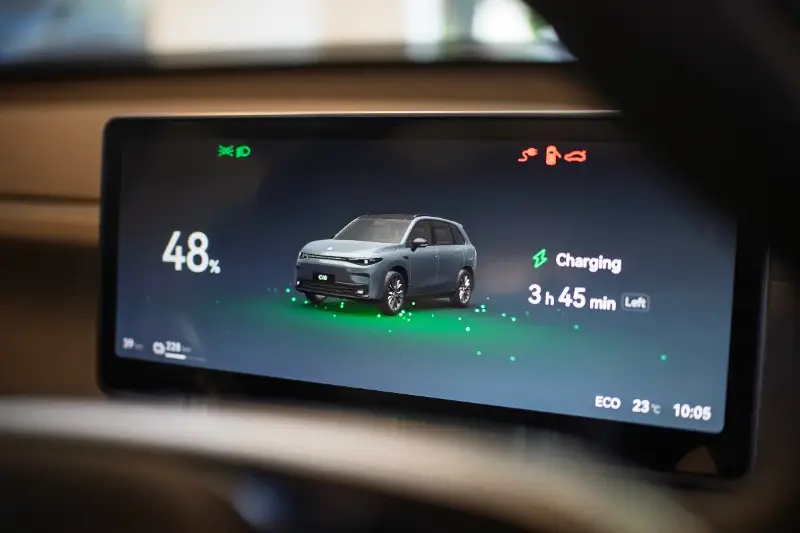
Electric mobility is entering a transformative era where charging stops closely resemble a quick coffee break rather than a lengthy delay. Next-generation battery architectures and vehicle systems can now replenish most of an electric vehicle’s driving range in under 15 minutes. This breakthrough relies on a synergy of advanced battery chemistry, innovative thermal management, ultra-fast charging networks, and intelligent energy software.
While overnight home charging satisfies daily commuting, ultra-fast charging unlocks seamless long-distance motorway travel and optimizes schedules for commercial fleets.
Defining the 15-Minute Charging Milestone
Fast-charging statistics typically focus on raising a battery's state of charge from 10 percent to 80 percent. Batteries accept energy most efficiently in this middle band. As capacity approaches 100 percent, energy delivery automatically throttles down to prevent cell degradation and manage excess heat.
Under optimal conditions, modern electric vehicles paired with high-power stations can restore hundreds of kilometers of range almost instantly:
- CATL Shenxing Battery: The second-generation design adds roughly 520 kilometers of range in five minutes, supporting peak charging rates up to 12C.
- Zeekr 5.5C Technology: Recharges from 10 percent to 80 percent in approximately 10.5 minutes when connected to high-output chargers.
These figures showcase the leading edge of modern engineering, signaling a rapid shift across the broader EV landscape.
The Engineering Behind Rapid Speed
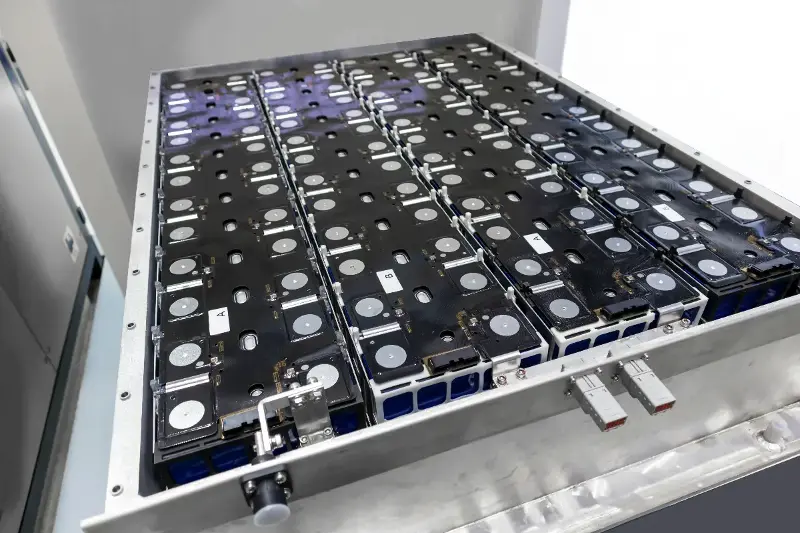
Rapidly pushing electric current into a battery requires balancing speed with chemical stability. Lithium ions must travel smoothly between electrodes. Pushing this process too aggressively causes thermal spikes and lithium plating, which creates metallic deposits on the negative electrode that reduce overall battery lifespan.
Engineers overcome these physical constraints through several key innovations:
- Advanced Anode Materials: Modern cells utilize specialized graphite anodes, custom protective coatings, and tailored electrolytes to accelerate ion travel.
- Silicon-Enhanced Anodes: Integrating silicon allows cells to store significantly more energy, paired with structural designs that manage natural expansion during charge cycles.
- Preconditioning Systems: Liquid cooling loops and intelligent heat pumps pre-heat or cool the battery pack while navigating toward a charger, ensuring the cells hit the perfect temperature window the moment you plug in.
Infrastructure Upgrades: High-Voltage Networks
Unlocking peak battery potential requires matching power from the grid. Traditional public chargers delivering 50 to 150 kilowatts are giving way to ultra-fast stations outputting 350 kilowatts or more.
To deliver high power without creating excess heat, vehicle platforms are shifting from conventional 400-volt systems to 800-volt and 1,000-volt architectures. Pushing higher voltage allows massive amounts of energy to flow using lower electrical current, which keeps cables lightweight and manageable. High-power platforms from manufacturers like Porsche, Hyundai, Kia, Audi, and BYD (with its 1,000-kilowatt Super E-Platform) are proving that infrastructure and vehicle tech are evolving together.
Real-World Benefits for Drivers
Ultra-fast charging redefines the practical daily experience for electric car owners:
- Effortless Long-Distance Travel: Restoring 250 to 400 kilometers of range in 10 to 15 minutes turns highway rest stops into seamless, relaxed breaks.
- Reduced Station Congestion: Faster turnaround times clear charging hubs quickly, eliminating long queues during peak travel hours.
- Commercial Fleet Efficiency: Taxi operators, ride-hailing services, and delivery logistics keep vehicles active and earning rather than idling at chargers.
- Familiar User Routine: Matching the duration of traditional refueling makes transitioning to electric mobility feel natural and effortless.
Understanding Real-World Charging Limits
Ultra-fast charging represents a vital tool for long trips, though real-world performance varies based on external variables:
- Ambient Temperature: Extreme cold or severe heat slows initial energy acceptance.
- State of Charge: Plug-in speed naturally drops as the battery fills up.
- Charging Habit Strategy: While modern battery management systems preserve long-term health, slower AC home charging remains the gentlest, most cost-effective method for daily routines.
As high-power charging networks expand worldwide, a short rest stop is quickly becoming all it takes to power the next long stretch of highway.