


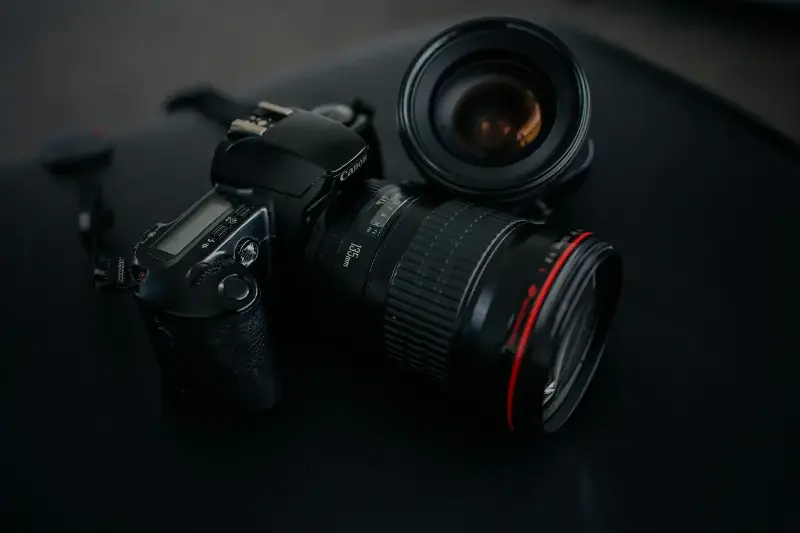
A high-end camera can feel like a passport to creative freedom. Modern bodies offer larger sensors, lightning-fast autofocus, robust weather sealing, and professional video tools. Yet an expensive camera body alone does not guarantee extraordinary imagery. Before investing a substantial sum, it is vital to understand which features truly elevate your work and which ones might remain unused in your daily shooting.
The smartest purchase aligns with your favorite subjects, working style, and long-term creative ambitions:
- Wildlife Specialists: Need exceptional burst speeds, deep memory buffers, and advanced focus tracking.
- Travelers & Everyday Photographers: Benefit from compact bodies, versatile zoom lenses, and lightweight gear.
- Portrait Artists: Gain the most from rich color reproduction, eye-detection autofocus, and wide-aperture lenses.
- Content Creators: Require reliable dynamic range, clear audio inputs, image stabilization, and efficient heat management.
Start with Your Real Photography Needs
Never choose a camera based solely on a promotional spec sheet. For example, a camera boasting 45 megapixels sounds incredible, but large files demand significantly more storage, faster memory cards, a powerful computer, and extra post-processing time.
For most creators, a sweet spot of 20 to 26 megapixels delivers extraordinary detail for both online publishing and large-format gallery prints.
Understand the True Cost of Ownership
The price tag on the camera body is merely the starting point. To build a complete system, budget for essential accessories:
- Lenses: A mid-range camera paired with a bright, sharp lens consistently outperforms an elite body attached to a cheap kit lens.
- Aperture Advantage: Lenses with wide apertures like f/1.8 or f/2.8 gather significantly more light while creating smooth background blur.
- High-Speed Storage: Advanced high-resolution stills and 4K video quickly fill standard memory cards, often requiring faster formats such as CFexpress.
- Power Management: Extra batteries are vital for full-day events, cold-weather expeditions, and video recording.
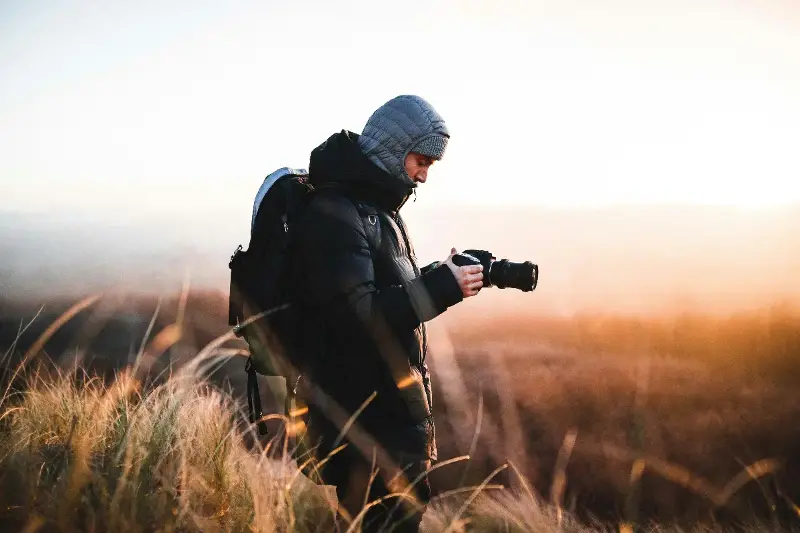
Sensor Size Is Important, But Not Everything
Full-frame cameras are celebrated for low-light clarity and shallow depth of field. However, they are not automatically the ultimate choice for every photographer:
- Full-Frame Advantages: Superior dynamic range, exceptional performance in low light, and classic field-of-view rendering.
- APS-C & Micro Four Thirds Advantages: Compact lens designs, lighter weight, and budget-friendly setups.
- The Crop Factor Benefit: Crop-sensor cameras make distant wildlife and sports subjects appear larger in frame, giving telephoto lenses extra practical reach.
Try the Camera Before You Commit
Technical specifications cannot tell you how a camera feels in your hands. Visit a local store, rent gear for a weekend, or borrow a model from a friend to test physical ergonomics:
- Handling & Weight: If a setup feels too heavy, it may end up staying home instead of capturing precious moments.
- Tactile Controls: Ensure you can effortlessly adjust shutter speed, aperture, ISO, and focus points without getting lost in digital menus.
- Viewfinder & Monitor: Look for bright electronic viewfinders and fully articulating screens for creative shooting angles.
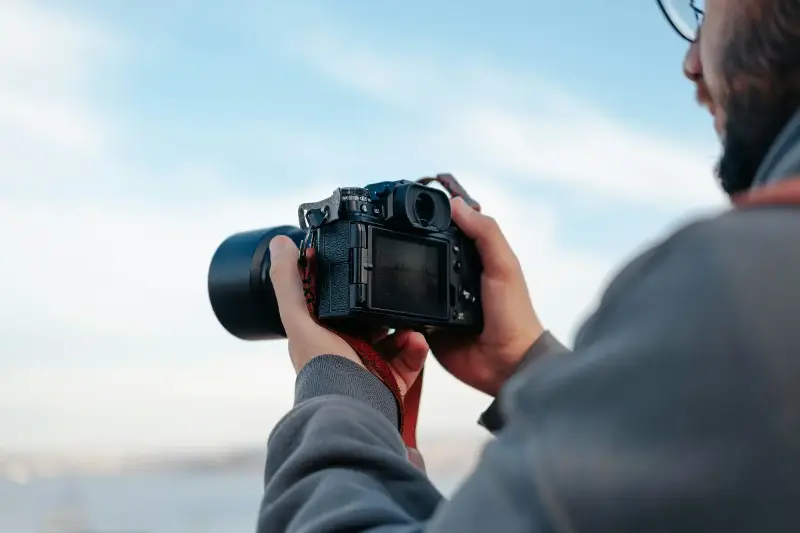
Look Beyond Marketing Claims
Manufacturer claims regarding artificial intelligence autofocus and blazing burst speeds warrant realistic evaluation. Always verify real-world performance:
- Buffer Capacity: Confirm how many continuous RAW shots the camera captures before performance slows down.
- Autofocus Consistency: Test eye-tracking across tricky lighting situations like backlit scenes or dim indoor spaces.
- Weather Resistance: Weather sealing offers reassurance against dust and light moisture, but protective covers remain smart insurance during heavy downpours.
Choose a System, Not Just a Body
Buying a camera means joining an entire lens ecosystem. Research the broader lens lineup before committing to a specific brand to ensure affordable optics exist for your favorite styles.
Additionally, explore certified pre-owned equipment. Reputable dealers frequently offer inspected bodies and lenses with warranties. A flagship camera from a few years ago often yields 95% of modern performance at a fraction of the cost.
Above all, remember that artistry outshines equipment. Investing time into understanding light, composition, timing, and storytelling will always transform your photography far more than any high-end upgrade.