


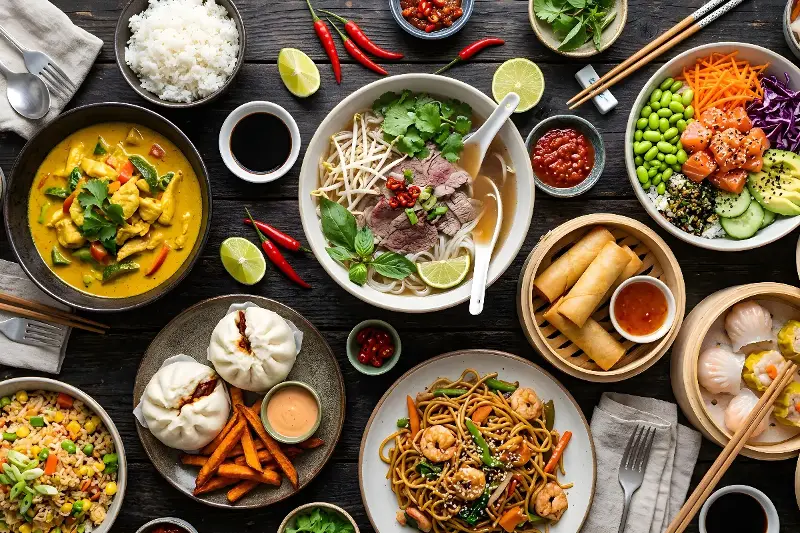
Asia’s most memorable dishes are built on a small but powerful group of vibrant spices. A fragrant bowl of Thai curry, a deeply comforting Indian dal, or a warming Indonesian rendang may contain very different ingredients, yet each depends on careful seasoning for its identity. Spices do far more than add heat or aroma—they balance richness, brighten sour notes, preserve freshness, and create the distinctive scents that make a meal feel instantly familiar.
Many of these ingredients traveled across historical trade routes linking South Asia, Southeast Asia, China, and the Middle East. Today, they remain essential to home kitchens and restaurant menus alike. Key functions of these aromatic powerhouses include:
-
Balancing Richness: Cutting through heavy coconut milks, meats, and oils.
-
Adding Natural Color: Imparting brilliant yellow, deep red, and rich mahogany hues.
-
Building Layered Fragrance: Creating complex olfactory profiles through strategic blooming and toasting.
Turmeric: The Golden Foundation
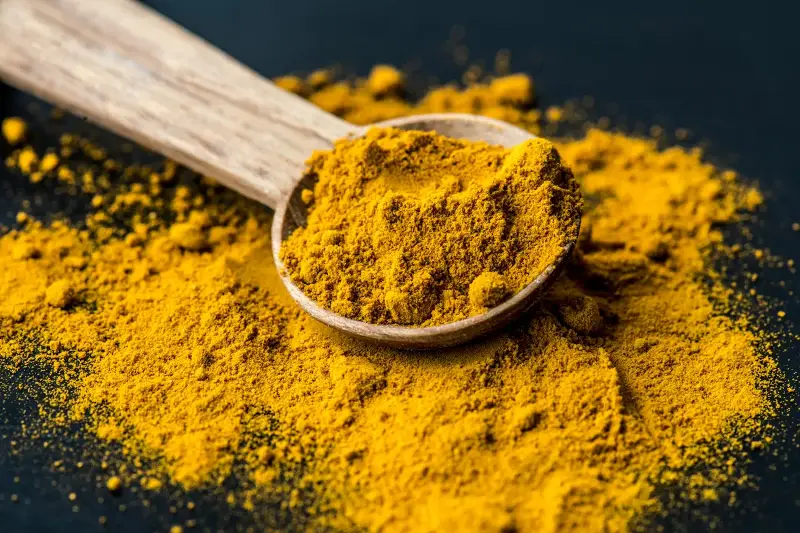
Turmeric is one of Asia’s most recognizable spices, valued for its vivid yellow-orange hue and earthy, slightly warm flavor. Derived from the underground stem of a plant in the ginger family (Curcuma longa), it has been a cornerstone of South Asian cooking for thousands of years.
In Indian cuisine, turmeric is a fundamental seasoning for lentils, vegetable curries, rice dishes, and marinades. It is rarely used in massive quantities, but even a small pinch brings depth:
-
Indian Cooking: Forms the essential base for daily dals and vegetable stir-fries.
-
Southeast Asian Dishes: Brightens Sri Lankan curries, Indonesian yellow rice (nasi kuning), and Malaysian soups.
-
Culinary Function: Acts as an anchor that supports and unifies other spices without overpowering the palate.
Cumin: The Warm, Nutty Backbone
Cumin seed possesses a dry, nutty aroma with a subtle bitterness that rounds out beautifully when heated. Ground cumin is common, but whole seeds provide an especially vivid flavor when briefly fried in hot oil or ghee.
In Indian cooking, cumin is essential to the tempering process known as tadka:
-
The Blooming Technique: As whole seeds sizzle in hot oil, they release fragrant essential oils that infuse the entire dish.
-
Regional Versatility: Essential for chickpea curries, potato dishes, and rice preparations across South Asia.
-
East Asian Adaptation: Plays a defining role in northern Chinese cuisine, where grilled dishes are dusted generously with cumin and mild chili.
Coriander: Citrus, Sweetness, and Freshness
Coriander is remarkably versatile because both its seeds and fresh leaves are prized in culinary traditions. The seeds offer a warm, lemony, lightly sweet profile, while the fresh leaves—often called cilantro—deliver a bright, herbaceous accent.
Key applications across regional kitchens include:
-
Ground Seeds: Form the structural base of Indian masalas, Sri Lankan curry powders, and Thai curry pastes.
-
Whole Toasted Seeds: Crushed into marinades to provide a gentle citrus crunch.
-
Pounded Roots: In Thai cooking, coriander roots are pounded with garlic and peppercorns to create rich aromatic bases for soups and stir-fries.
Chili: Heat With Personality
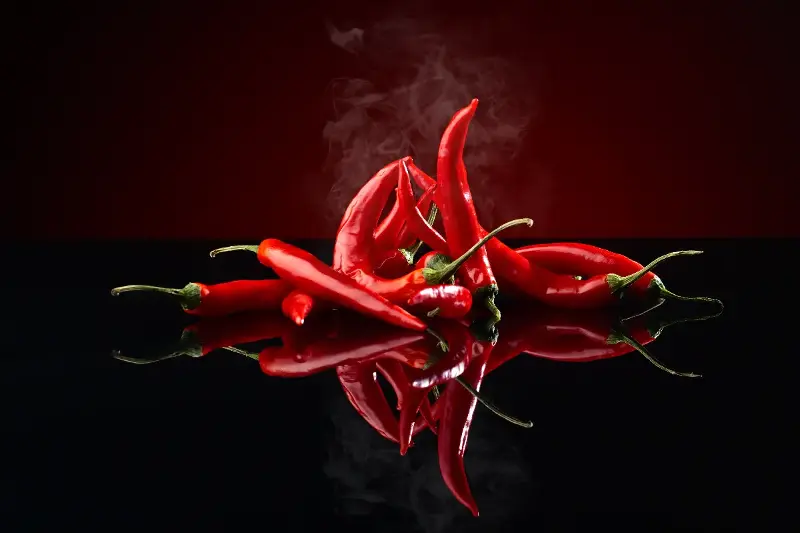
Chillies arrived in Asia centuries ago and quickly became central to regional identities. Today, it is impossible to imagine Korean kimchi, Thai salads, or Sichuan broths without their vibrant presence.
Different chillies contribute unique characteristics:
-
Korean Gochugaru: A vibrant red pepper flake with a fruity, moderately hot flavor that gives kimchi its signature glow.
-
Kashmiri Chili: Valued across India primarily for its deep red hue and gentle warmth rather than fierce heat.
-
Thai Bird's Eye Chili: Tiny, intensely fiery peppers used fresh in fiery sauces, curries, and lime-based dressings.
Sichuan Peppercorn: The Tingly Surprise
Despite its name, Sichuan peppercorn is not a true pepper—it is the dried husk of a prickly ash shrub. It produces a distinct floral, citrus-like fragrance and a unique tingling sensation on the lips and tongue known as málà when combined with chili.
This spice is essential in iconic dishes such as mapo tofu and kung pao chicken. Often toasted and freshly ground right before serving, it creates an exhilarating contrast between sharp heat and sparkling numbness.
Cardamom, Cloves, and Cinnamon: Layered Fragrance
Sweet spices play a major role in savory Asian cooking. Green cardamom brings a cool, floral sweetness to biryanis and masala chai. Cloves offer an intense, medicinal warmth used sparingly in slow-cooked braises, while cinnamon (often cassia bark) adds woody sweetness to rich broths and five-spice blends.
Together, these whole spices form the heart of garam masala—a finishing blend added near the end of cooking to give simple dishes a magnificent, celebratory aroma.