



Picture your kitchen: the heartbeat of your home, a space for nourishment, creativity, and togetherness. Now imagine if every meal you prepared there also left a lighter footprint on the planet. Even small adjustments in our daily routines can ripple outwards for global good. Whether you are passionate about sustainability or simply looking for easy ways to reduce waste, transforming your kitchen is the perfect place to start your eco-journey.
THE SURPRISING POWER OF SMALL SWAPS
You might be surprised at how even the smallest actions compound over time. By rethinking your everyday tools, you can make a massive difference:
- Ditch Paper Towels: Replacing single-use paper towels with washable, reusable cloths saves trees, water, and energy.
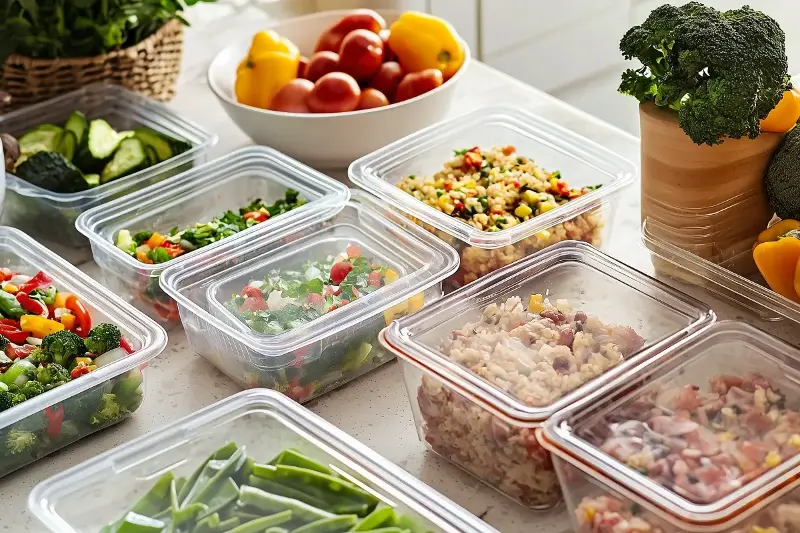
- Eliminate Single-Use Plastic: Swap plastic wrap for beeswax wraps, silicone lids, or glass containers. This dramatically reduces our dependence on materials that can take up to 500 years to decompose.
- Choose Durability: Investing in high-quality, long-lasting kitchen tools prevents the constant cycle of buying and discarding low-quality items.
GREENER GADGETS AND APPLIANCES
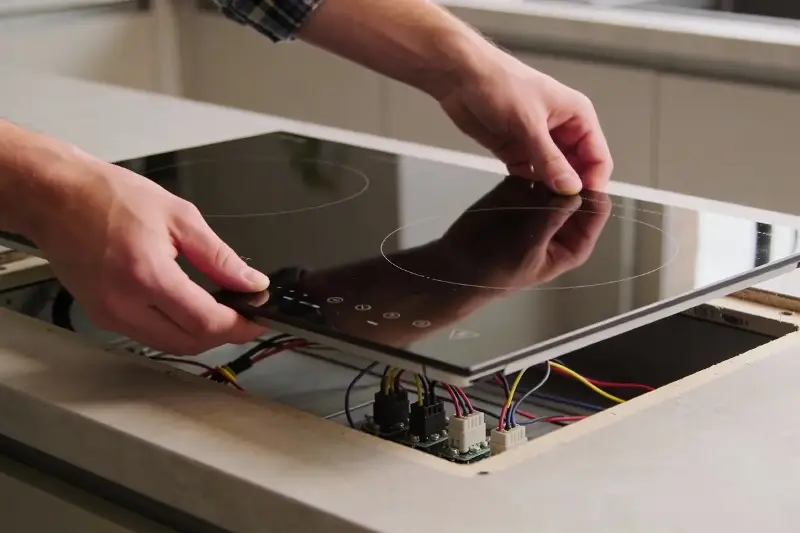
Appliances are behind a significant chunk of household energy usage. You do not always need to buy new to make an impact, but if you do, look for Energy Star certified models.
- Maximize Efficiency: Always run your dishwasher at full capacity and utilize the eco-mode setting.
- Air-Dry: Whenever possible, skip the heat-dry cycle. Air-drying dishes can save up to 50% of the water and electricity used by traditional cycles.
- Conscious Usage: Small habits, like only boiling the amount of water you need in the kettle or turning off appliances when not in use, significantly shave off your energy footprint.
RETHINK YOUR INGREDIENTS
Transforming your kitchen for the planet is also about what you put on your plate. Small shifts in your diet can have a profound environmental impact:
- Plant-Forward Meals: Incorporating more plant-based meals into your routine is one of the most effective ways to lower your carbon footprint. Even going meatless just a couple of days a week saves thousands of gallons of water.
- Shop Local and Seasonal: Buying locally-grown produce slashes the emissions associated with long-distance transport. Plus, local food is often fresher and tastier.
- Avoid Over-Packaging: Choose loose fruits and vegetables whenever possible to minimize plastic waste.
COMBATTING FOOD WASTE
Roughly one-third of the food produced worldwide goes uneaten. Tackling this begins with smart planning:
- Meal Prep: Planning your meals for the week reduces impulse buys and prevents spoilage.
- Master Storage: Keep herbs in water like flowers or store mushrooms in paper bags to extend their shelf life.
- Composting: If you have food scraps, composting is your best friend. Turning organic waste into nutrient-rich soil keeps waste out of landfills and provides nourishment for your home garden.
GREEN CLEANING WITHOUT COMPROMISE
Conventional cleaners are often packed with harsh chemicals and single-use plastic. Making the switch is easier than you think:
- Natural Power: White vinegar, baking soda, and lemon offer powerful, non-toxic cleaning properties that effectively tackle grease and odors.
- Refillable Solutions: Look for brands that offer biodegradable, refillable cleaning solutions to drastically reduce your plastic waste.
- Eco-Friendly Tools: Use sponges made from natural fibers or scrubbers fashioned from recycled materials.
EVERY ACTION COUNTS
Each time you choose to refuse plastic, conserve energy, or shop thoughtfully, you send a ripple through your home that extends much further. The kitchen is not just a place for personal nourishment; it is a launchpad for meaningful environmental impact. By embracing these sustainable changes, you cook up a brighter, greener future—one meal at a time.