


Vast, White, And Wild: An Introduction To The Arctic’s Mystique
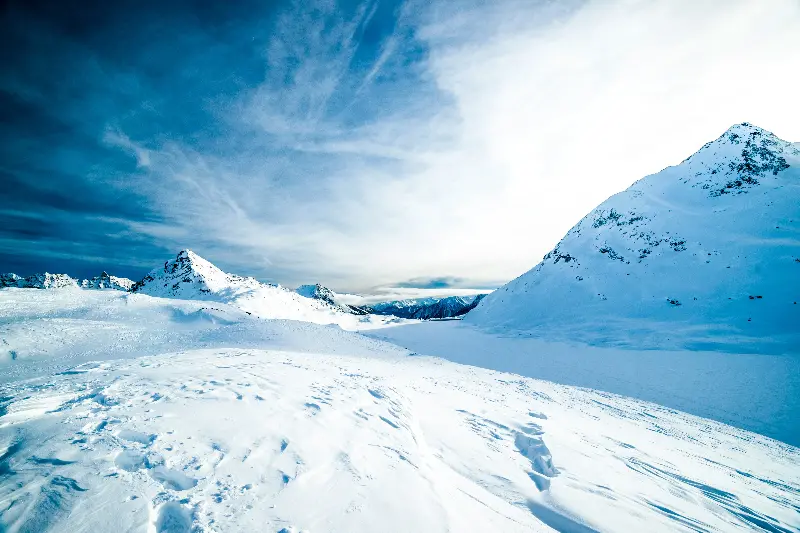
At the very top of our world, where maps narrow into a circle of endless white, lies the Arctic—a realm that has enchanted explorers, scientists, and dreamers alike. Seemingly remote and inaccessible, the Arctic is more than just ice and snow. It’s a vibrant, living environment with a unique blend of resilience, beauty, and mystery. Its allure endures, capable of captivating both the hearts of seasoned polar explorers and those who adventure only through stories and photographs. What is it about this cold, desolate region that makes it so irresistibly fascinating?
The Polar Landscape: Sculpted By Ice And Time
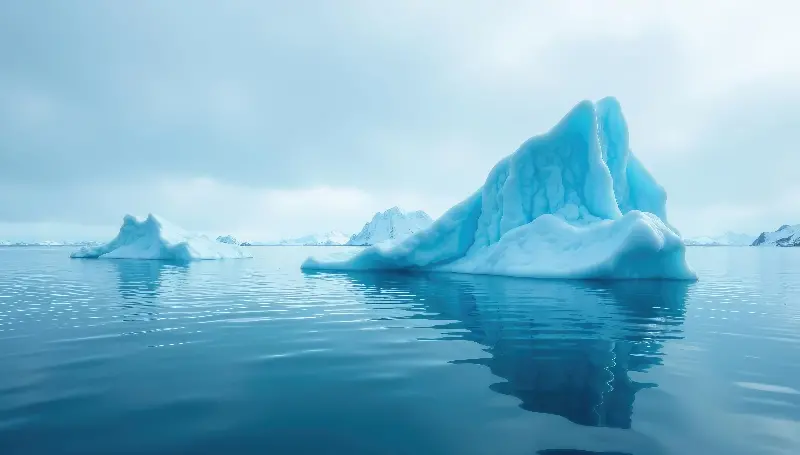
The Arctic is a vision sculpted by extreme conditions. Picture vast fields of pack ice, towering icebergs slowly drifting with ocean currents, and glaciers creeping like ancient giants toward the sea. But this is not just a frozen wasteland—the landscape is in constant motion. During winter, the Arctic Ocean is sealed by an unbroken sheet of sea ice, but in summer, parts melt away to reveal shifting blue water and isolated ice floes.
The sun itself performs one of the North’s greatest spectacles: the Midnight Sun. For months on end, the sun refuses to set, bathing the region in an eerie, perpetual daylight that both bewilders and fascinates newcomers. Then, as winter returns, darkness falls for equally long periods. During the Polar Night, the aurora borealis—the Northern Lights—paints the sky with ribbons of green and violet, glittering over pristine snowscapes.
Nature’s Endurance: Life On The Edge
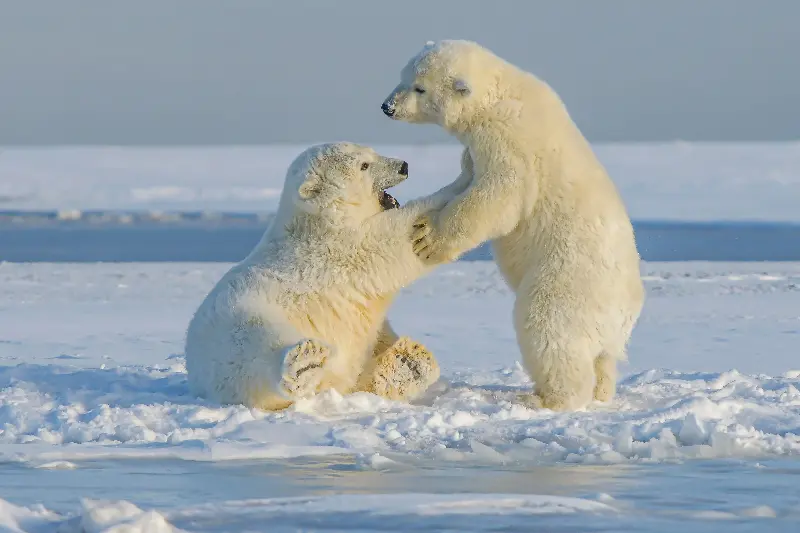
Despite its challenging conditions, the Arctic is teeming with life adapted to thrive in the extremes. Polar bears, sometimes called “the kings of the Arctic,” roam the ice in search of seals. These apex predators are built to withstand bone-chilling cold, with hollow fur for insulation and an uncanny sense of direction over the ice.
But polar bears are just the headline act in a diverse cold-climate cast. Arctic foxes change the color of their coats from brown in summer to stark white in winter, blending seamlessly into their environment. Caribou migrate in vast herds across tundra plains in search of food. Beneath the sea ice, narwhals—the so-called unicorns of the sea—navigate dark waters, while walruses lounge on ice floes, their ivory tusks gleaming in the pale light.
Birds, too, flock to the Arctic for its rich, brief summers. Species such as the snow bunting and the colorful puffin nest where the sun never truly sets. Even tiny organisms, invisible to the naked eye, fuel an entire food web—phytoplankton bloom explosively under the midnight sun, supporting everything from shrimp to whales.
A Playground For Explorers: Human Fascination And Adventure
The Arctic has called to the boldest explorers for centuries, from the Viking adventurers who first glimpsed its icy shores to modern scientists unlocking its secrets. There are still communities of Indigenous peoples—like the Inuit—who have thrived for generations by reading the rhythms of ice, weather, and animal migrations. Their deep connection to the land is both a testament to human adaptability and a living library of knowledge about the polar world.
Adventure tourists come to traverse the rugged terrain by sled, ski, or even kayak, seeking the thrill of isolation and discovery. Some come to experience the silence—the profound, almost mystical stillness broken only by the crunch of snow underfoot or the distant call of a bird. Photographers patiently wait for the perfect moment when an aurora bursts into color or a polar bear emerges through the drifting snow.
Changing Climates: The Arctic’s Role In Our Planet’s Health
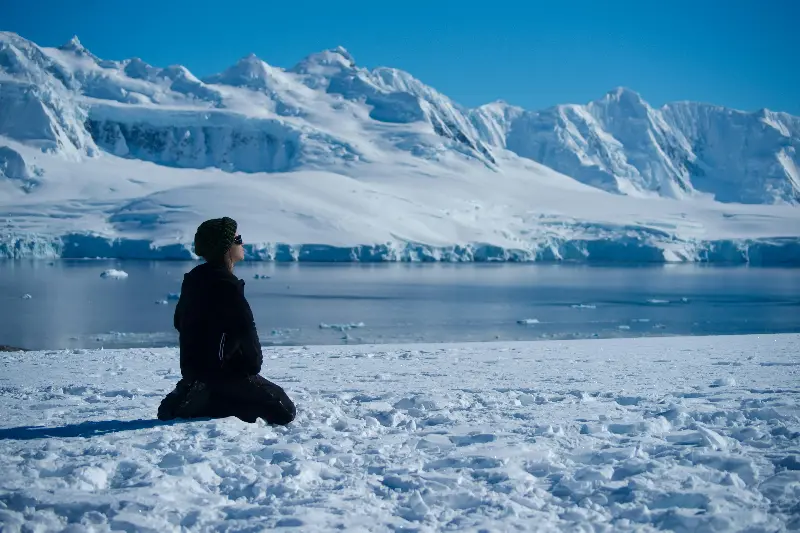
But the Arctic is now at the center of global conversations, not just because of its beauty, but for what it represents ecologically. It acts like Earth’s refrigerator, reflecting sunlight with its bright ice cover and keeping global temperatures in check. The Arctic is warming more than twice as fast as the global average, which is causing dramatic transformations—sea ice melts, glaciers retreat, and permafrost thaws.
These changes ripple outwards, affecting weather, sea levels, and ecosystems far beyond the Arctic Circle. Migraine-inducing as these challenges may be, they have inspired both urgency and innovation in scientific research, as international teams collaborate to track changes and seek solutions.

Guardians Of The Icy Realm: Why The Arctic’s Future Matters
As the Arctic transforms, the world is awakening to the need to protect and study this unique environment. Conservationists are working to secure habitats for polar wildlife, while researchers study how melting ice impacts everything from ocean currents to global climate patterns. The hope is that by respecting and preserving the Arctic, humanity will not only ensure the survival of its enchanting creatures and landscapes, but also safeguard its crucial role in Earth’s ecological balance.
So whether you’re drawn to the Arctic by tales of heroism, rare wildlife, or scientific discovery, the polar North reminds us of nature’s ultimate beauty and resilience. It stands as both a wild frontier and a living treasure—inviting us to experience its allure, stand in awe of its extremes, and consider our part in its unfolding story.