


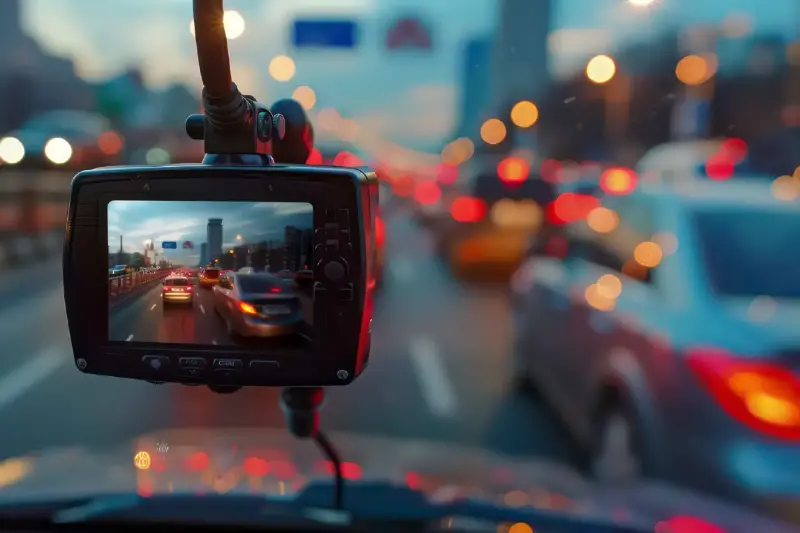
Driving And The Digital Eye: Are Dashcams Protecting Or Exposing Us?
In recent years, dashcams have gone from a high-tech novelty to an automotive must-have for drivers across the globe. They promise peace of mind, evidence in case of accidents, and a digital eyewitness for every mile you travel. But as these devices become smarter and more connected, a new question is emerging on the dashboard: is the very tool designed to keep us safe putting our privacy at risk?
The Rise Of The Smart Dashcam
Dashcams have evolved far beyond simple windshield cameras that record what happens on the road. Today’s market is bursting with models touting features like WiFi and Bluetooth connectivity, GPS tracking, cloud storage, and even smartphone integration. Many vehicle owners enthusiastically upload their journeys to social media, or sync footage to apps for insurance and personal use.
These abilities offer undeniable benefits. Real-time access to footage can speed up accident claims and help identify reckless drivers or criminals. GPS data can provide crucial context in a dispute. For those who love to road trip, automatic uploads mean you never lose a memory.
Yet, there’s a flip side to this digital advancement. As dashcams get smarter, they also become more attractive targets for hackers.
What Makes Dashcams Vulnerable To Hacking?
Not all dashcams are made equal. Cheaper devices often cut corners on cybersecurity to keep prices down. Even name-brand devices can be at risk if their firmware is not regularly updated.
The vulnerabilities come from an unexpected source: convenience features. WiFi-enabled dashcams often use default, easy-to-guess passwords, or even have no password protection at all. Poorly secured apps may transmit data over unencrypted connections. Some models, when plugged into a car’s USB port, could give hackers a backdoor into your vehicle’s broader internal systems.
In recent years, cybersecurity researchers have uncovered incidents where dashcams were accessed remotely. Hackers have hijacked devices to watch or record both drivers and their environment, gather GPS locations, and even access linked smartphones. While these cases are rare compared to cyber-attacks on laptops and phones, they are a troubling sign of how digital security struggles to keep pace with technology’s rapid march forward.
Your Data, Their Target: What Could Hackers Actually Do?
So why would anyone bother hacking your dashcam? For most everyday drivers, the risk of a targeted attack is low. However, the real danger lies in mass data breaches or the exploitation of aggregated dashcam footage.
Hackers might be after:
- Personal details stored in the dashcam app, like names and addresses.
- GPS logs that reveal your home, workplace, and daily routines.
- Video or audio footage from your drives, which could be used for blackmail or to track your movements.
- Access points to your mobile device, if you use a connected app.
Worse, large pools of unprotected footage may even end up on shady websites—and drivers often have no idea their privacy has been compromised until it’s too late.
For businesses, such as taxi fleets or delivery companies, a single hacked dashcam could expose sensitive client data, employee locations, or proprietary routing information, leading to significant risks and regulatory headaches.
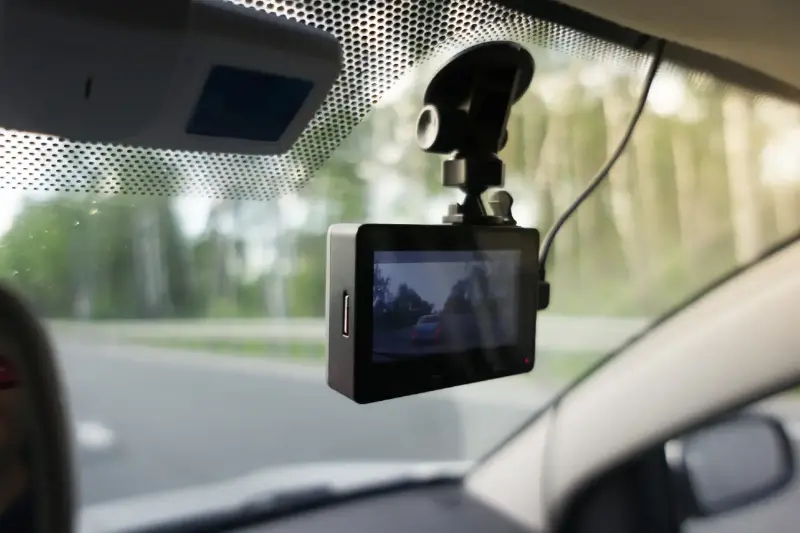
What Can Drivers Do To Protect Themselves?
The good news is, most dashcam risks can be minimized with just a little digital hygiene.
Start with your purchase: opt for recognized brands with a track record of security updates. Check whether the camera supports password-protection and if the accompanying app uses standard encryption. Always change the default passwords on any device or app—the longer and less predictable, the better.
Keep your dashcam’s firmware up to date. Manufacturers often release security patches to fix discovered vulnerabilities.
If you don’t need WiFi or Bluetooth functions, consider turning them off. Most hacking attempts rely on an open connection. If your camera stores footage on a memory card, remove it when not in use, especially if your car is going to be parked for long periods.
Finally, review the privacy policy before using any app or cloud service linked to your dashcam. Make sure you know what data is being collected, where it’s stored, and if it’s being shared with third parties.
The Road Ahead: Finding The Balance Between Safety And Privacy
It’s easy to focus on the positive potential of dashcams—safer streets, solved crimes, and peace of mind in case of an accident. Yet, as with every connected device, their value comes with an asterisk: convenience should never come at the cost of your privacy.
The automotive world is rapidly transforming, with more vehicles becoming smarter and increasingly networked every year. As dashcams evolve, so must our attention to their potential vulnerabilities.
For drivers, a dashcam can still be an invaluable ally—but only with the right security precautions. As we continue cruising into a future full of digital innovation, let’s remember that the smartest driver is the one who’s informed, alert, and fully in control—both on the road and online.