


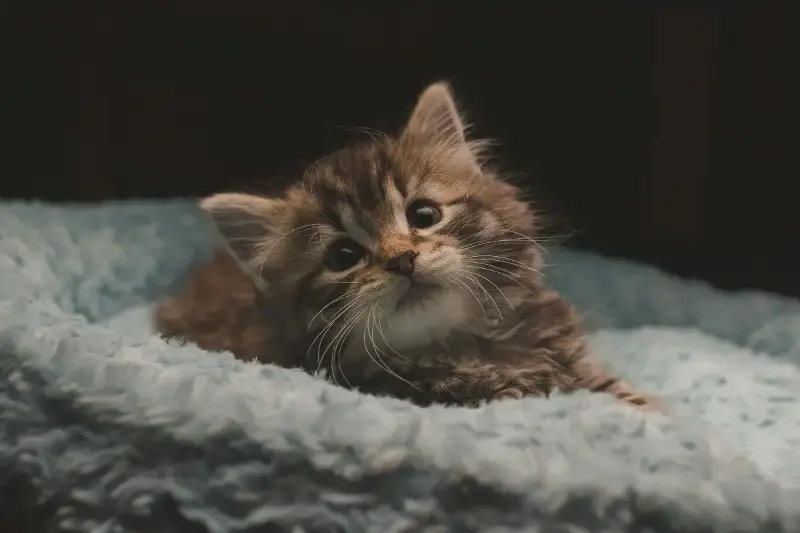
Cats have a remarkable talent for making people feel as though they are part of a carefully managed household. A cat may choose the warmest chair, announce mealtimes with unwavering confidence, and insist that a closed door is an unacceptable personal insult. While they are not literally plotting domination from the windowsill, many feline habits can make it seem as if cats are quietly in charge.
This impression comes from a mix of biology, communication, and human behavior. Cats are skilled at noticing routines, rewarding useful responses, and making their preferences crystal clear. In many homes, people adapt around their pets without even realizing it.
Masters of Routine
Cats thrive on predictability. In nature, conserving energy is vital, so knowing when food, rest, safety, and social contact are available is highly useful. Domestic cats bring this instinct straight into the home. They quickly learn distinct sounds:
- The sharp ring of an alarm clock
- A food cupboard gently opening
- A car arriving in the driveway
- A person preparing for bed
Once a cat recognizes a pattern, it begins reminding its humans about it. A cat fed at 7:00 a.m. may appear beside the bed at 6:45 a.m., staring, chirping, or walking across its owner. This is not bossiness; it is learned behavior. Research shows cats can distinguish familiar human voices and recognize their own names. They do not always respond, but that does not mean they are ignoring you—they have simply decided the situation requires no immediate action.
The Art of Human Training
Cats are masters of consequences. If a particular action gets a reward, they will repeat it:
- A soft meow near the kitchen brings a delicious snack.
- Pawing at a bedroom door leads to immediate opening.
- Sitting directly on a laptop produces instant attention.
Humans are trained just as effectively. We respond quickly to behaviors that seem urgent, cute, or disruptive. Over time, the human learns that responding quickly restores peace, while the cat learns that persistence pays off.
This process is called reinforcement. It means cats are intelligent animals capable of linking actions with outcomes. While dogs often seek direct approval, cats prefer testing which specific methods produce the exact results they want.
Why Cats Choose the Best Seat
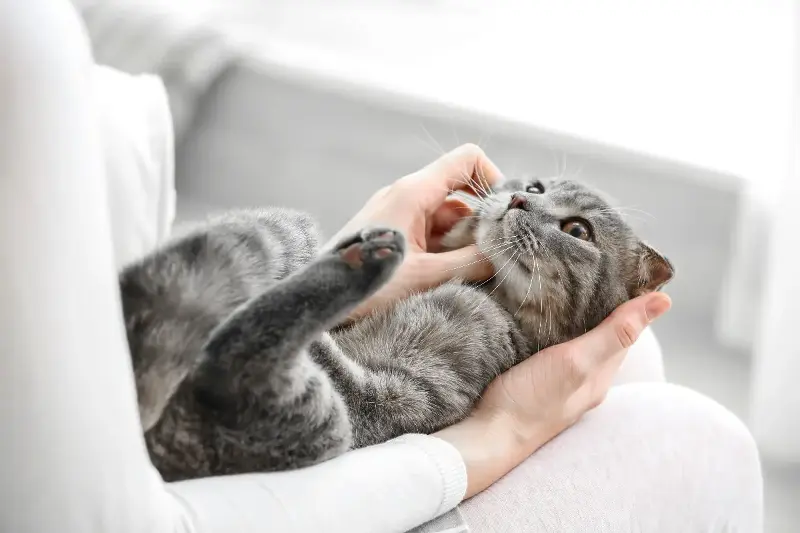
The cat occupying the center of the sofa is not simply being dramatic. Cats are drawn to places offering warmth, comfort, security, and a clear view. Elevated spots allow cats to monitor movement without feeling exposed.
The best seat also smells strongly of a favorite person. Cats have scent glands on their cheeks, paws, and bodies. Rubbing against furniture creates a familiar scent map, making your favorite chair feel comfortable, warm, and reassuringly secure.
Communication on Their Terms
Cats communicate far beyond simple meows. Their tail position, ears, eyes, whiskers, and posture provide clear clues:
- Slow Blink: Signals deep comfort, love, and trust.
- Tail Held High: Suggests a warm, friendly greeting.
- Flattened Ears or Twitching Tail: Indicates a need for personal space.
Interestingly, adult cats generally use meowing more with humans than with other cats. Domestic cats have adapted their meows specifically to attract human attention, often developing distinct sounds for food, play, or greetings. Even the famous purr is complex: cats purr when relaxed, but also when anxious or seeking comfort. Context always matters!
The Power of Selective Affection
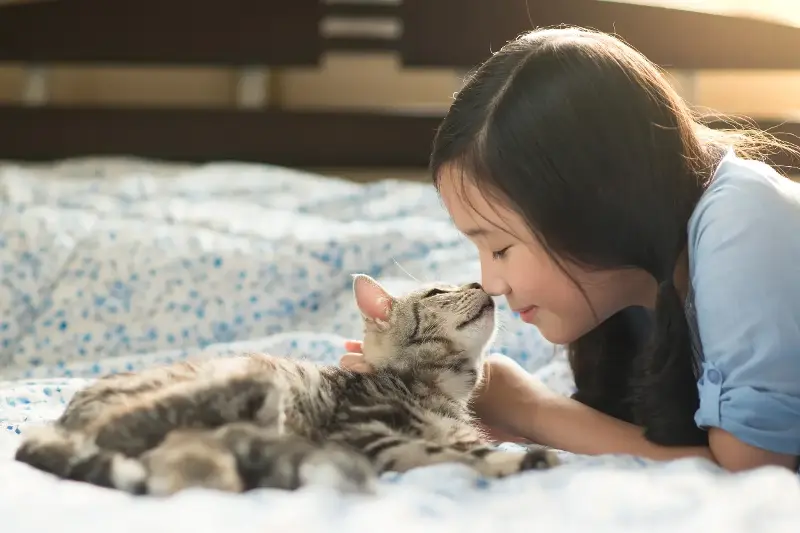
Cats can be deeply affectionate, yet they prefer to control the timing and intensity of interaction. This selective approach makes their attention feel especially valuable.
Studies suggest many cats form meaningful attachments to their caregivers, seeking comfort from familiar people and showing stress when routines shift. Respecting their preferences strengthens the bond:
- Let the cat approach you first.
- Offer calm, non-threatening interaction.
- Stop before the cat becomes overstimulated.
Are Cats Secretly in Charge?
Not entirely! They depend on people for food, care, safety, and affection. However, they are exceptionally good at influencing daily life. From setting breakfast schedules to selecting the household’s finest sleeping spots, cats have a quiet confidence that makes every home feel a little more like their personal kingdom.