


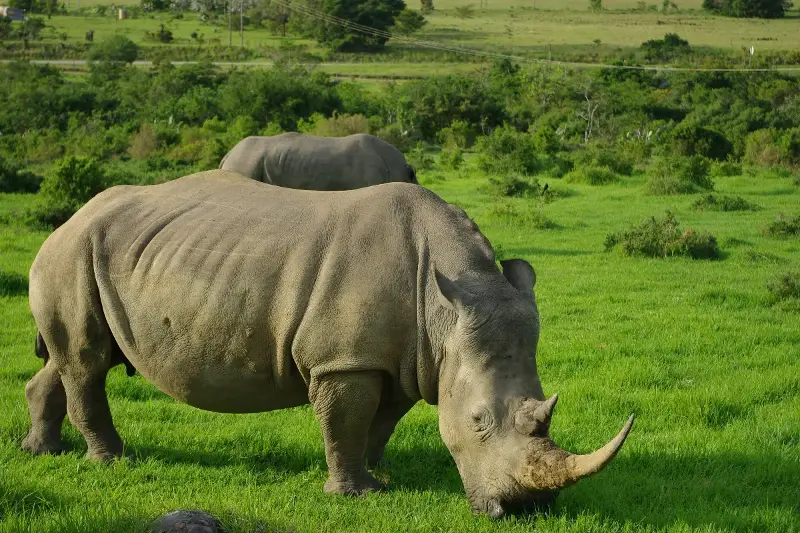
In the vast tapestry of the natural world, few animals inspire as much awe and curiosity as the rhino. These prehistoric-looking giants wander grasslands and forests, impressing all who witness their silent power and ancient lineage. Beneath their famously armored appearance lies a hidden world of behaviors and strengths that not only help them survive but also profoundly shape the ecosystems they inhabit. Rhinos are not simply bulky creatures; they are nature’s ironclad wonders, blending gentleness and might to play a starring role in the wild.
THE SKIN AND THE SHIELD: NATURE’S OWN ARMOR
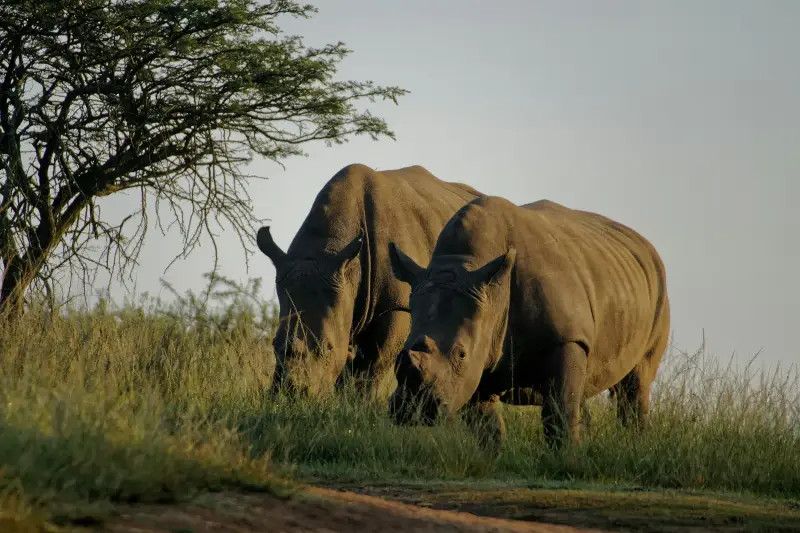
Rhinos are best known for their thick, leathery skin. While this “armor” appears impenetrable, it is a complex biological marvel:
- Dense Composition: Composed of collagen fibers woven into layers, some reaching 5 centimeters in thickness.
- Surprising Sensitivity: Despite its rugged appearance, the skin is highly sensitive. Rhinos can feel the lightest touch, which is why they seek out mud wallows to soothe insect bites and abrasions.
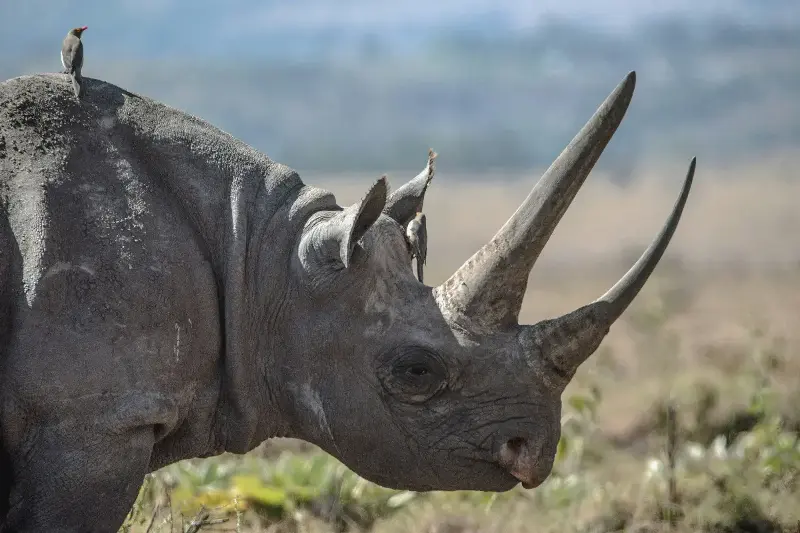
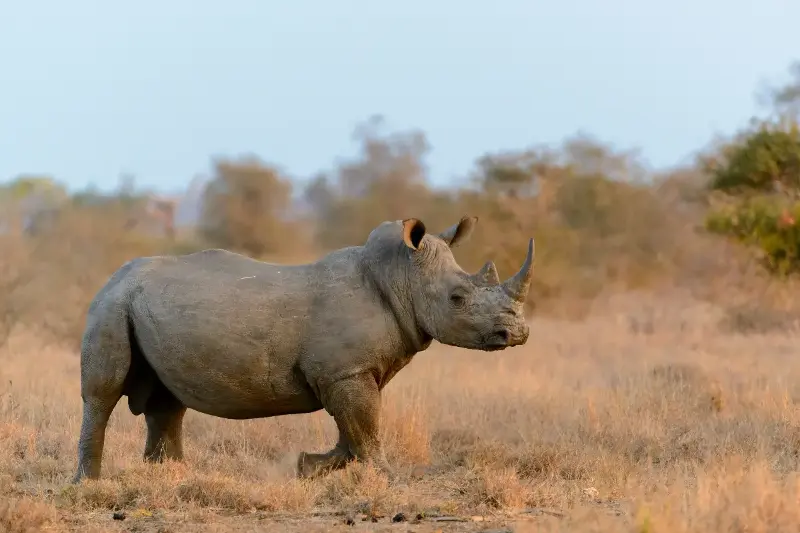
Their iconic horn is equally fascinating. Made of tightly packed keratin—the same material as human fingernails—it serves as a versatile tool for defense, digging, and guiding calves. In species like the white rhino, these horns can reach a dramatic 1.5 meters, acting as both a functional asset and a badge of status.
GENTLE GIANTS: SOCIAL HABITS AND QUIET WISDOM
Contrary to their fearsome reputation, rhinos are surprisingly gentle and socially intelligent.
- Complex Communication: They use a nuanced system of grunts, snorts, and even “whistles” to interact.
- Social Recognition: Research suggests rhinos can distinguish between individual voices, indicating a level of social intelligence once thought impossible for these animals.
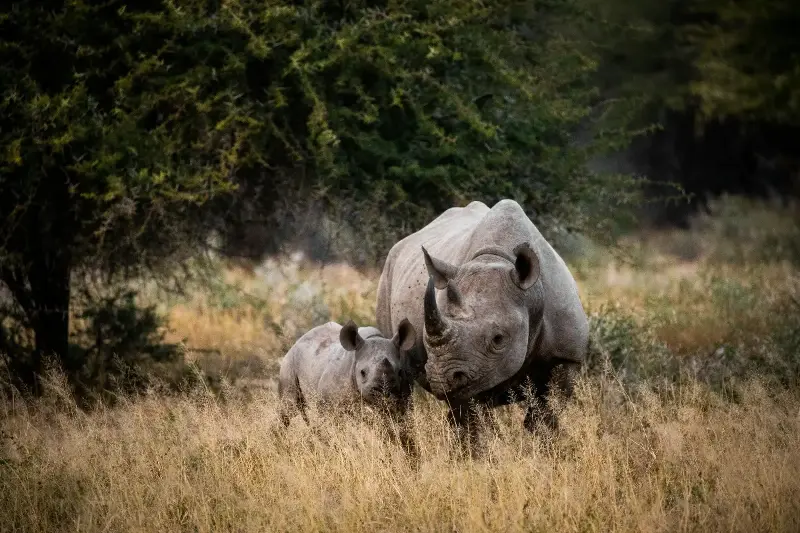
- Behavioral Diversity: While black rhinos often lead a solitary existence, white rhinos frequently form small, stable groups, particularly females with their calves.
ECOSYSTEM ENGINEERS: SCULPTORS OF THE WILD
Rhinos are essential “ecosystem engineers” whose dietary habits actively maintain the health of the landscapes they inhabit.
- White Rhinos: Function as the “lawn mowers” of the African savanna. By grazing on short grasses, they help maintain open habitats that benefit a wide variety of species, from small insects to antelope.
- Black Rhinos: With their specialized pointed lips, they browse on shrubs and bushes. This keeps forests open, allowing essential sunlight to penetrate the canopy and encourage new plant growth.
POWER IN NUMBERS: THE PERILS AND PROMISE OF RHINO COMMUNITIES
While these giants face significant threats from habitat loss, their future is increasingly brightened by community-based conservation. Local populations and dedicated wildlife groups are working together to protect herds through:
- Advanced Monitoring: Utilizing drones, camera traps, and GPS tracking to provide security with minimal human intrusion.
- Global Awareness: Shifting the narrative away from harmful myths and toward the celebration of these animals as vital components of our planet's biodiversity.
SURVIVAL TACTICS: SENSES AND SECURITY SYSTEMS
A rhino’s survival depends on a sophisticated sensory toolkit. While their eyesight is limited, they possess:
- Extraordinary Hearing: Their large, swiveling ears can detect the faint sounds of the savanna with precision.
- Acute Smell: Their sensitive nostrils analyze a constant stream of environmental information.
- Agility: When necessary, a startled rhino can reach speeds of up to 55 kilometers per hour, proving that their strength is matched by impressive speed and situational awareness.
Rhinos are a powerful reminder that strength and gentleness often go hand in hand. As guardians of both the past and the future, they hold the keys to preserving the natural world’s delicate balance. Safeguarding these ironclad wonders means protecting the very heart of the wild.