


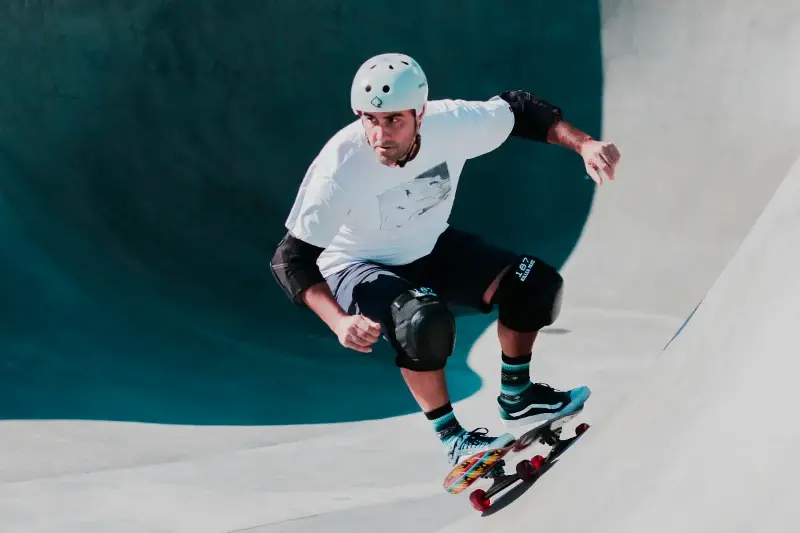
Skateboarding began as a remarkably simple idea: surfers in 1950s California wanted a way to recreate the feeling of riding waves when the ocean was flat. They attached roller skate wheels to wooden boards and called it "sidewalk surfing". What started as a pastime for beach communities grew into a global movement that transformed fashion, music, language, public spaces, and how young people define independence.
Today, skateboarding is far more than an action sport. It functions as a creative outlet, a social network, and a fresh way of looking at the urban landscape. A stair set, handrail, empty basin, or smooth concrete plaza can become a canvas for personal expression. For generations of skaters, the board has offered rare freedom: the ability to explore, fail, improve, and belong without needing expensive facilities or rigid rules.
From Sidewalk Surfers to Street Athletes
Early skateboards were basic and often unstable, but the sport advanced rapidly during the 1970s. The introduction of urethane wheels in 1972 provided boards with better grip and a smoother ride. This technical breakthrough made it possible to skate faster, turn more sharply, and ride on rougher pavement.
A severe drought in Southern California during the mid-1970s played an unexpected role:
-
Drainage and Basins: Homeowners emptied swimming pools to conserve water, creating curved concrete walls for adventurous skaters.
-
The Z-Boys: Groups like the Zephyr competition team brought an aggressive, low-to-the-ground style inspired by surfing.
-
Urban Adaptations: By the 1980s and 1990s, street skating became dominant, transforming ordinary city architecture into terrain.
A board, a patch of pavement, and sheer determination were all anyone needed to get started.
A Culture Built on Creativity and Connection
Skateboarding has always celebrated individual style. Two riders can perform the exact same maneuver, yet their speed, body movement, board control, and approach make it look completely distinct.
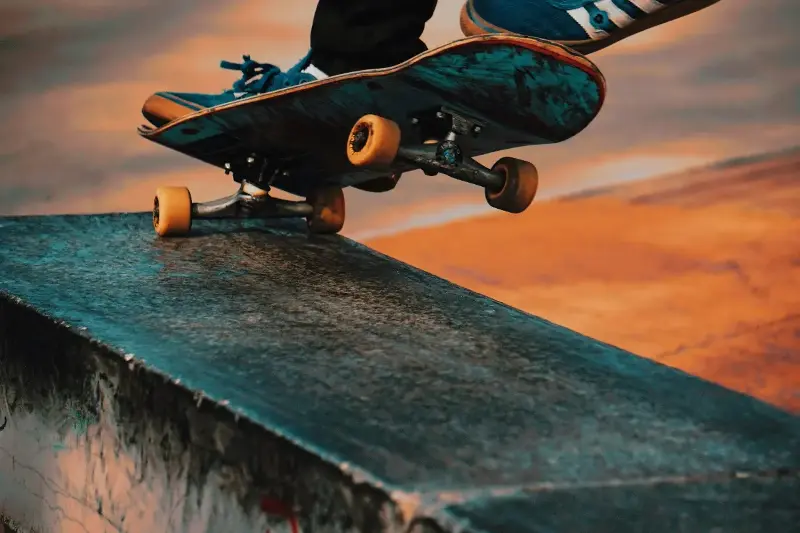
The invention of the ollie by Alan "Ollie" Gelfand—and its flat-ground adaptation by Rodney Mullen—revolutionized the sport. By allowing riders to lift the board into the air without using their hands, the ollie opened up stairs, curbs, gaps, and ledges as skating terrain. Modern maneuvers like kickflips, heelflips, and pop shuvits all rely on this foundational technique.
Skate videos also became central to the culture. Before social media, physical tapes passed between friends introduced local scenes to skaters worldwide. Videos showcased not only successful tricks, but also falls, travel, lifelong friendships, and local music, making skateboarding feel like a shared universal language.
Fashion, Music, and Urban Identity
The visual influence of skateboarding is easy to spot in modern streetwear:
-
Practical Wear: Loose trousers, durable flat-soled shoes, graphic tees, and hoodies became iconic because they withstand repeated movement and falls.
-
Musical Synergy: Punk, hip-hop, indie rock, and electronic music have all found home in skate videos, acting as a vibrant meeting point for diverse subcultures.
-
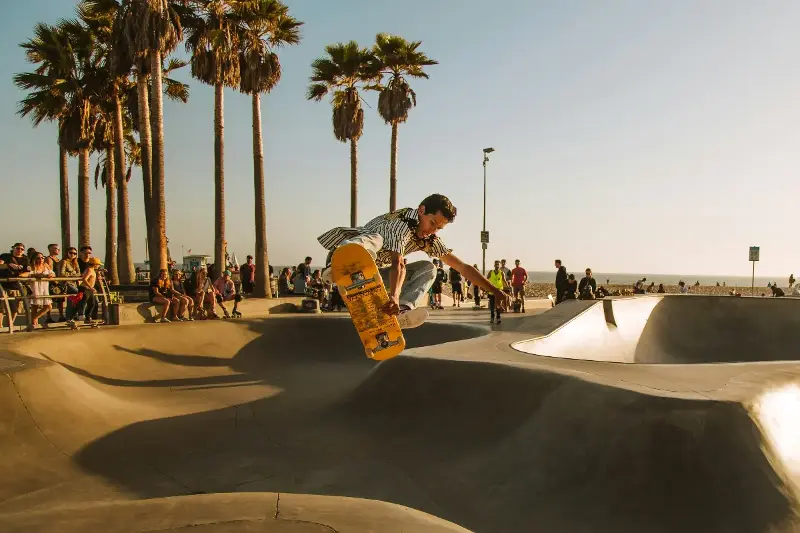
Redefining Space: Skaters see possibilities where others see obstacles. A bench becomes a ledge to grind, and a slope turns into a bank, encouraging lively discussions about public space design.
Community and Resilience Beyond Competition
Although skateboarding can look individual, it is deeply social. Friends film each other, share equipment, offer advice, celebrate progress, and wait through dozens of attempts for one clean landing. A skate spot often becomes a welcoming sanctuary where background matters less than enthusiasm.
The culture continues to grow more inclusive. Women, girls, non-binary athletes, and adaptive skaters are increasingly visible in skate parks and media worldwide. While skateboarding reached another milestone with its Olympic debut, many participants still cherish its informal, grassroots identity.
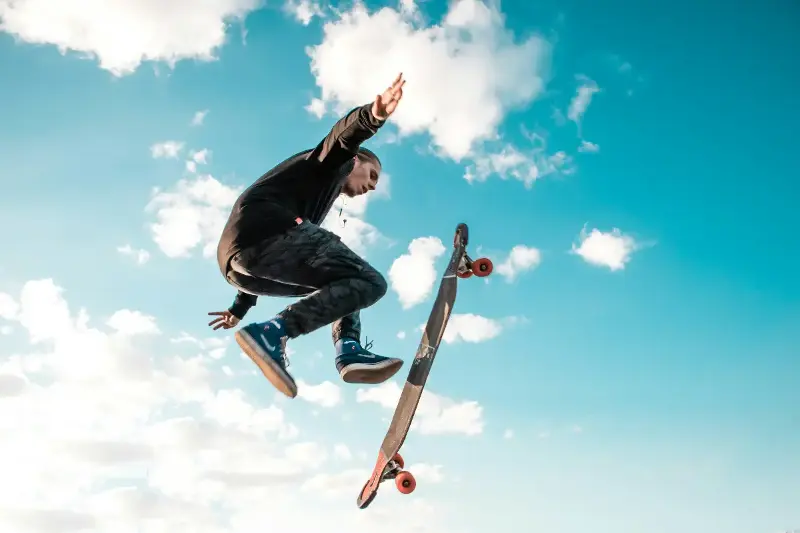
The ultimate lesson of skateboarding is its relationship with perseverance. Falling is unavoidable, and landing a trick after dozens of missed attempts creates a profound sense of achievement. Progress rarely arrives effortlessly, but confidence is built through patience, passion, and the courage to try again.