


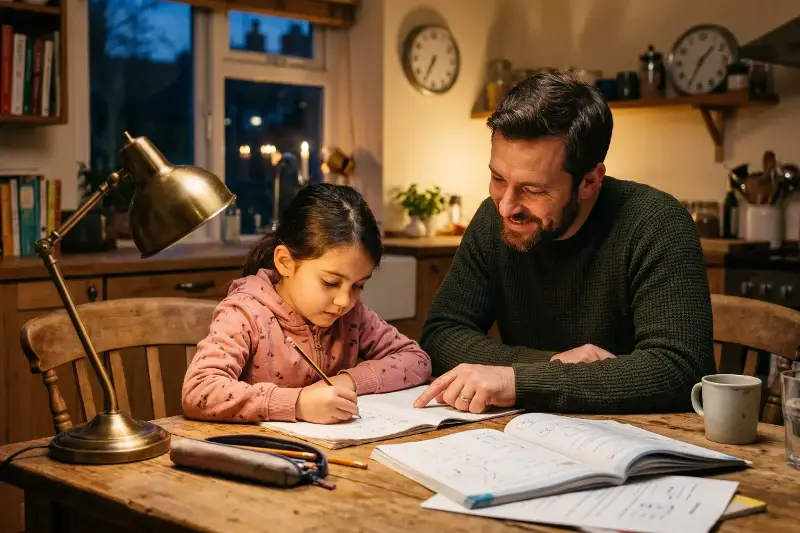
Anyone who has witnessed the tense dance between children, their homework, and the clock knows how quickly the after-school wind-down can spiral into a struggle. The tears, the sighs, and the negotiation for “five more minutes”—homework drama is a common rite of passage for many families. However, it doesn't have to be this way. Approaching homework as a shared family experience rather than a nightly battlefield can transform these moments into meaningful, productive, and even enjoyable time together.
UNDERSTANDING THE ROOTS OF HOMEWORK DRAMA
Homework is far more than just an academic exercise. For kids, it taps into their developing sense of responsibility, independence, and occasionally, anxiety. When a child resists, it is often an emotional response to feeling tired or uncertain about the task at hand.
- Positive parental involvement is directly linked to better habits and lower stress levels.
- Observation is key: Some children need a snack and a physical break before starting, while others prefer to dive right in.
- Flexibility matters: Pay attention to your child's cues to determine the best window for academic success.
ESTABLISHING A CALM AND CONSISTENT ROUTINE
Children thrive on consistency. Knowing exactly what to expect each day significantly reduces anxiety and resistance.
- Create a visible schedule: Involve your child in building a daily plan that balances homework with play, chores, and relaxation.
- Designate a dedicated zone: Set up a quiet, distraction-free space well-stocked with essential supplies.
- Focus on the environment: Ensure the area is comfortable and well-lit to keep young minds alert and engaged.

TURNING HOMEWORK INTO FAMILY COLLABORATION
Parents often feel pressured to act as the "homework police," but it is far more effective to act as a supportive collaborator. Instead of hovering, try asking open-ended questions that build critical thinking:
- "How do you want to start this assignment?"
- "What is your plan to tackle these problems?"
Additionally, you can introduce a concept called "Focus Time". When everyone in the family—parents and siblings alike—engages in quiet, productive work simultaneously, it signals that focused activity is a normal and valued part of family life.
HANDLING FRUSTRATION AND FOSTERING RESILIENCE
Frustration is a natural part of the learning process. When a child hits a wall, your response is the most critical factor in their growth. Lead with empathy instead of rushing to fix every mistake.
When tension rises, use these strategies:
- Acknowledge the struggle: Validate their feelings by saying, "I see this is a tough one; let's look at it together."
- Encourage breaks: A five-minute movement break, a quick doodle, or a healthy snack can reset a tense mindset.
- Promote persistence: Remind your child that overcoming challenges is exactly how the brain gets stronger.

BALANCING ENCOURAGEMENT WITH INDEPENDENCE
While it is tempting to guide every step, stepping back is essential for your child's confidence. Trust their process. Reviewing the assignment together after they finish, rather than hovering while they work, fosters true accountability.
Above all, celebrate the effort, not just the achievement. When children know their hard work is recognized—regardless of perfection—they are far more likely to tackle future challenges with enthusiasm. A simple, "I love how hard you are working on this!" is often all the fuel they need.
WEAVING CONNECTION INTO HOMEWORK MOMENTS
Homework should not isolate kids from the family. Create micro-moments of connection to turn a dreaded chore into a positive ritual. Whether it is sharing a healthy snack before starting, playing soft background music, or planning a fun family activity for after the work is done, these small gestures build a lasting sense of teamwork. By staying patient and creative, you are not just helping them with schoolwork; you are building a foundation of resilience and lifelong learning.