


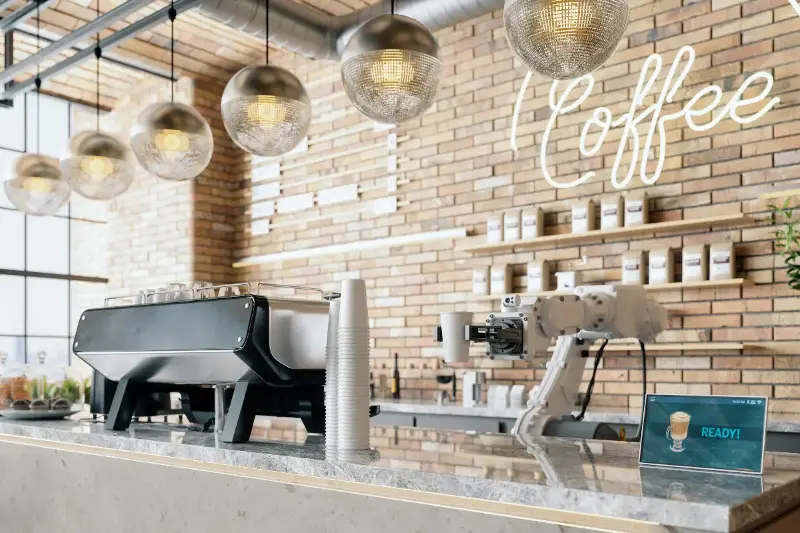
A café once built its identity around its neighborhood: local pastries, the owner’s taste in music, and regulars who knew which corner table caught the afternoon sun. Today, many cafés from Seoul to Stockholm follow a strikingly similar brief:
- Pale wood surfaces and curved mirrors
- Terrazzo counters and spotless chrome espresso machines
- Minimalist greenery and sculptural treats
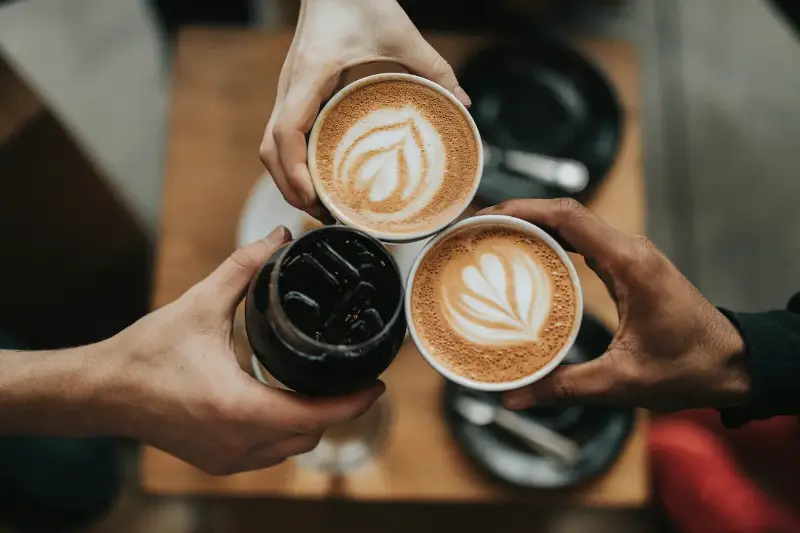
Social media has turned coffee shops into highly photographed public stages, where a venue must compete with millions of images in an endlessly scrolling feed. A striking interior travels farther than a physical menu, making a photogenic latte a powerful form of free advertising.
The Instagram Effect
Platforms like Instagram, TikTok, and Pinterest reward images that are understood instantly. A pastel drink against a cream wall requires no translation. This makes specific design choices unusually effective online: neutral colors photograph consistently, clean lines avoid visual clutter, and recognizable details help users identify a location in seconds.
Hospitality designers often call this "instagrammability"—the ability of a physical space to generate shareable digital content. A venue's visual appeal frequently acts as its primary invitation, turning every table into both a place to sit and a small personal photography studio.
A Global Design Template
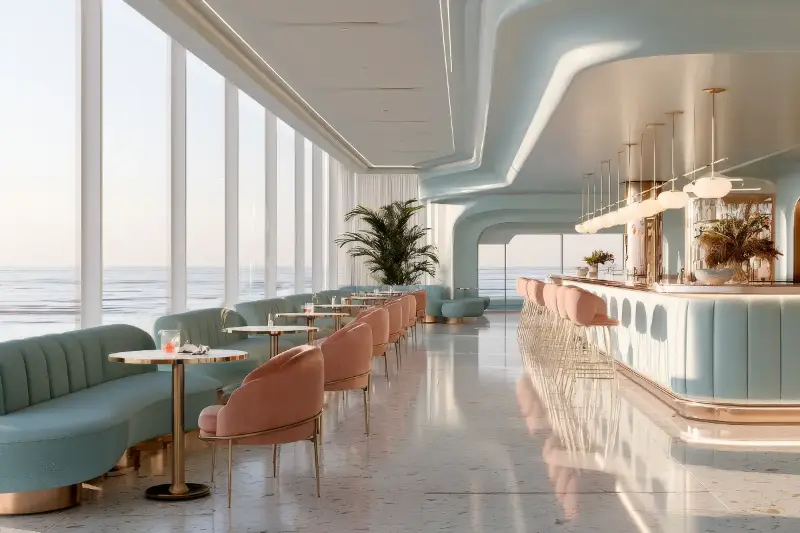
The most popular café aesthetic blends design elements from around the world:
- Scandinavian Minimalism: Introduces pale timber, functional furniture, and soft daylight.
- Japanese Interior Trends: Brings calm spaces, natural textures, and careful presentation.
- Italian Coffee Culture: Offers polished espresso rituals and timeless elegance.
- Australian Specialty Coffee: Popularizes bright, open spaces focused on high-quality beans and artisanal brunch.
Global suppliers accelerate this trend. Independent owners can easily order the same fluted glassware, bentwood chairs, or neon signage seen in viral posts across the globe. Even food adapts to the image economy; cube-shaped croissants, bright green matcha, and colorful lattes offer striking visual appeal across a screen.
Why Sameness Feels Safe
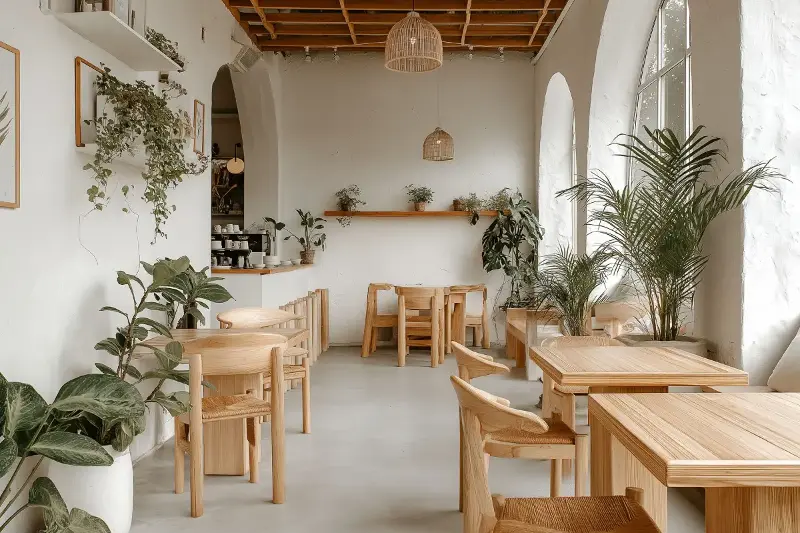
Adopting a familiar aesthetic offers café owners a lower-risk path to success. Opening a business requires significant investment, and social media visibility can mean the difference between an empty room and a weekend queue. If customers already react positively to similar interiors online, a recognizable design provides instant reassurance.
Furthermore, these environments offer real psychological comfort. Light-filled rooms, orderly shelves, and muted palettes provide a gentle escape from crowded streets and busy workdays. The design itself is not shallow—many of these spaces are genuinely pleasant to visit. The challenge arises when visual uniformity replaces unique local character.
What Gets Lost in the Feed
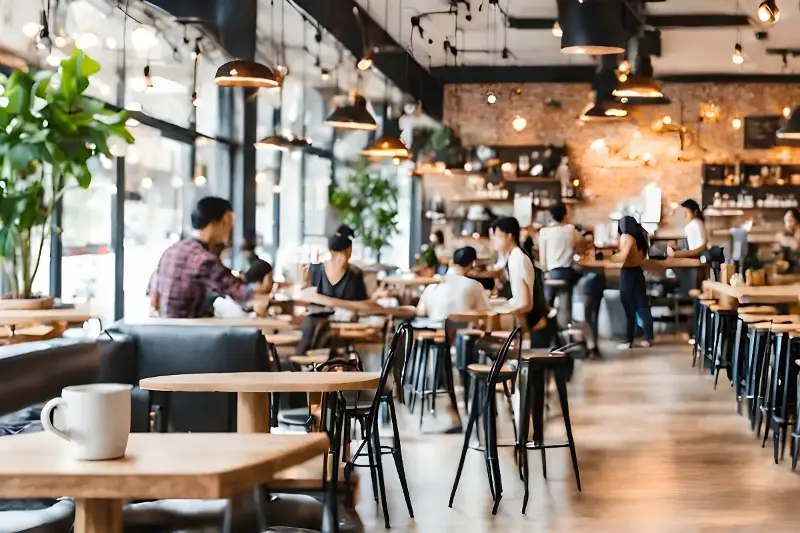
Local traditions can be difficult to translate into a single curated photograph. A bustling neighborhood coffee stall or a venue with mismatched vintage furniture might not fit the calm style favored by online algorithms. Yet these spaces often hold rich cultural stories:
- Regional ingredients and long-standing family recipes
- Distinctive serving customs passed down through generations
- Spontaneous conversation and deep neighborhood roots
Algorithms naturally amplify content that generates quick engagement, making clean design trends easier to replicate than complex cultural traditions.
A More Personal Kind of Café
Fortunately, audiences are increasingly seeking authenticity. Many travelers and locals now look for cafés that feel genuinely rooted in their surroundings—featuring regional specialties, locally roasted beans, second-hand furniture, and artwork created by local creators.
The most enduring cafés use digital platforms to share their story without letting trends dictate every decision. Coffee culture remains at its strongest when it offers something a photograph cannot capture: a welcoming atmosphere, a memorable drink, and a true sense of place.