


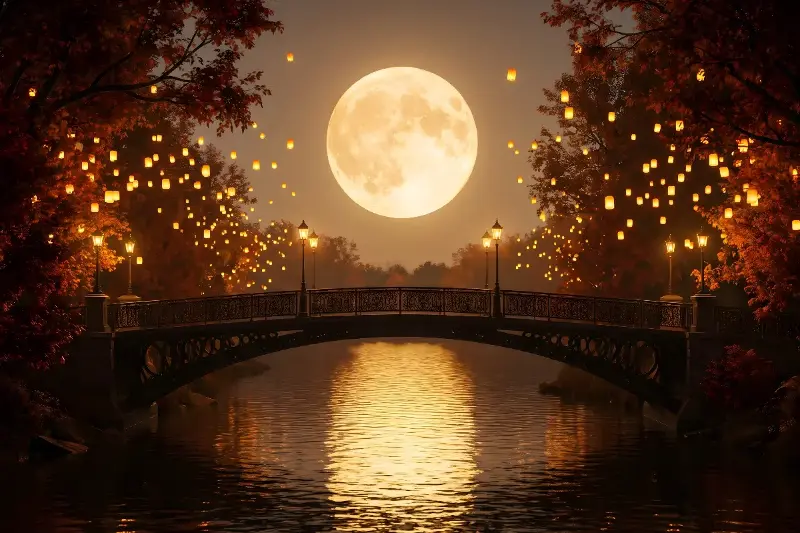
The full moon has always been far more than a bright object in the night sky. Its regular return, visible shape, and gentle light made it one of humanity’s earliest natural calendars. Long before mechanical clocks and printed calendars, families watched the moon to mark months, planting seasons, sacred observances, and times of reunion. Across continents, the moon’s fullness came to represent completion, abundance, and the comforting idea that loved ones could look at the same sky even when separated by great distances.
Because the lunar cycle lasts about 29.5 days, many traditional calendars were built directly around it. The full moon arrived near the middle of a lunar month, making it a natural moment for gatherings, shared meals, and storytelling. Its symbolism is especially powerful in family traditions because it appears whole and round—an image that diverse cultures connected with unity and togetherness.
The Moon as a Circle of Reunion
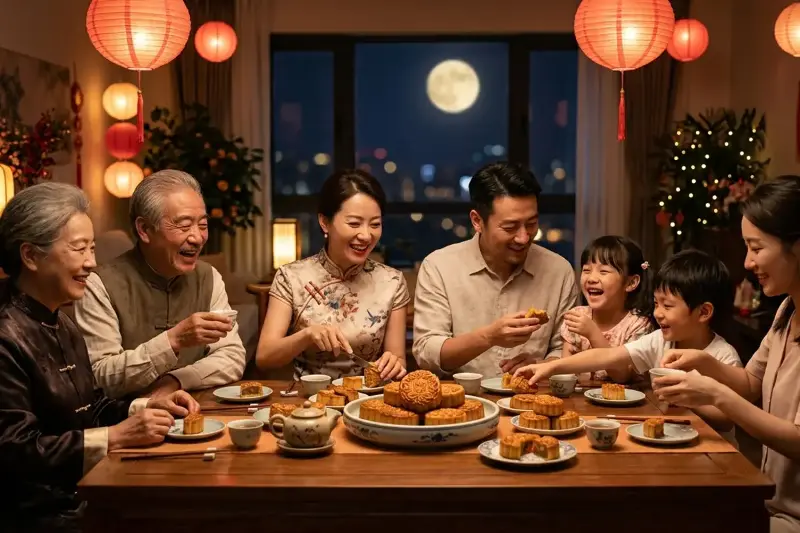
In China and across East Asia, the full moon is strongly linked with family reunion, particularly during the Mid-Autumn Festival. Celebrated on the 15th day of the eighth lunar month (usually falling in September or early October), the festival occurs when the moon is believed to be at its brightest and roundest.
The Chinese concept of tuanyuan (reunion or coming together) is closely represented by the moon’s circular form:
- Shared Treats: Families traditionally gather for dinner, admire the sky, and share mooncakes—round pastries filled with lotus seed paste, red bean paste, or salted egg yolk that mirror the shape of the full moon.
- Gifting Harmony: Exchanging mooncakes with relatives, friends, and colleagues expresses warm wishes for harmony and unity.
- Folklore and Love: The festival is connected with the legend of Chang’e, the moon goddess who resides on the moon after taking an elixir of immortality. Her story adds deep emotional resonance, as looking at the moon became a way for distant relatives to feel connected.
Harvest, Home, and Shared Food
In many agricultural societies, the full moon was tied directly to the autumn harvest. Its bright light helped farmers gather crops after sunset, while the seasonal calendar organized community labor. Once crops were gathered, moonlit nights offered a fitting setting for joyful feasts:
- Korea's Chuseok: Held around the full moon of the eighth lunar month, families return to ancestral hometowns to give thanks for the harvest. A key custom is making songpyeon—small rice cakes filled with sesame seeds, beans, or chestnuts shaped like half-moons to symbolize hopes for a bright future.
- Japan's Tsukimi: Also known as moon viewing, this gentle tradition involves decorating homes with pampas grass and offering rice dumplings called tsukimi dango. It remains a quiet, intimate occasion for appreciating nature and seasonal foods.
Sacred Nights and Spiritual Reflections
In India and Nepal, full moon days—known as Purnima—hold special spiritual significance. Families visit temples, prepare vegetarian meals, and engage in acts of generosity:
- Guru Purnima: Honors teachers and spiritual guides, encouraging students and families to express heartfelt gratitude.
- Sharad Purnima: Celebrates moonlight, devotion, and prosperity, with families placing sweet milk dishes like kheer under the moonlight.
- Vesak: Commemorated on a full moon day in May, celebrating the life, teachings, and compassion of the Buddha across global Buddhist communities.
Moonlight Across Indigenous Traditions
Indigenous cultures around the world have long used full moons to organize seasonal knowledge and family life. In North America, many Indigenous nations named moons based on environmental changes:
- Practical Knowledge: For Algonquin-speaking peoples, moon names referred to natural events like the return of fish, crop growth, or cold weather—passing vital survival knowledge from elders to youth.
- Māori Maramataka: In Aotearoa New Zealand, the maramataka (lunar calendar) guided fishing, planting, and gathering, reinforcing family cooperation through shared environmental wisdom.
A Symbol That Still Brings People Together
Modern urban life has changed many old routines, yet the full moon still invites humanity to pause. Families continue to gather for Mid-Autumn meals, Chuseok travel, Purnima prayers, and moon-viewing parties. Its enduring power lies in its universal accessibility—it requires no technology or formal invitation. The full moon reminds us of natural cycles, growing families, and the lasting hope that reunion remains possible under the exact same sky.