


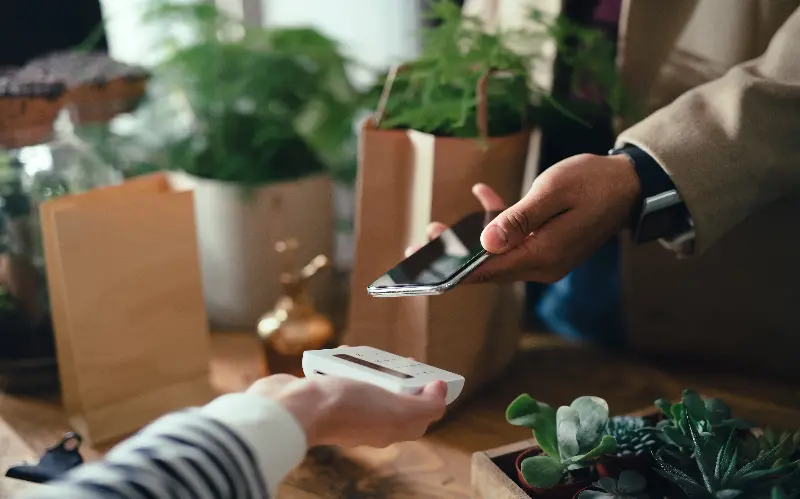
Imagine a world where your wallet is no heavier than your phone, checkout lines melt away, and dividing a dinner bill doesn’t involve mental math or awkward IOUs. This is the new reality for billions thanks to the rise of digital payments. The shift towards a cashless society is much more than a technological trend—it’s fundamentally changing how people think, feel, and behave with their money. From buying habits to saving strategies, the way we manage our finances is being reshaped in ways that are both subtle and profound.
Convenience Is King: How Digital Payments Simplify Life
Gone are the days of scrambling for loose change or worrying about carrying enough bills. Mobile wallets, tap-and-go cards, and payment apps make every transaction quick and nearly effortless. This newfound convenience has led to a surge in spontaneous purchases. Research from the Federal Reserve Bank reveals that people are more likely to buy on impulse when using digital payments compared to cash—when it’s as easy as swiping a screen, the gap between wanting and owning shrinks.
Shoppers are also embracing the rise of subscription payments and seamless order experiences. From streaming platforms to meal kit deliveries, digital payments automate repeat spending, subtly nudging us towards longer-term commitments. One surprising statistic: Visa found that more than half of millennial consumers now prefer to pay ongoing expenses—like gym memberships or magazine subscriptions—via automatic digital transactions. It’s a shift from owning things outright to embracing experiences and services without the friction of manual payments.
Embracing Financial Freedom: Money Management in a Cashless World
Digital payments hand consumers unprecedented control over their finances. Budgeting and tracking expenses are no longer tedious chores; real-time notifications and intuitive analytics built into payment apps let users see exactly where their money goes. This transparency encourages smarter financial decisions. According to a global survey by Mastercard, over 65% of app users say they’ve changed at least one spending habit after reviewing their monthly digital payment summary.
Another interesting twist is financial inclusivity. Digital payments are bridging gaps for the “unbanked”—people who lacked access to traditional banking. Mobile payment platforms from Africa’s M-Pesa to India’s Paytm have given millions a safe, simple way to store and transfer money, unlocking access to broader financial services. For women and young adults in particular, this represents a leap towards independence and economic empowerment, giving them greater autonomy over their earnings and savings.
The Psychology of Spending: Cashless Behavior Surprises
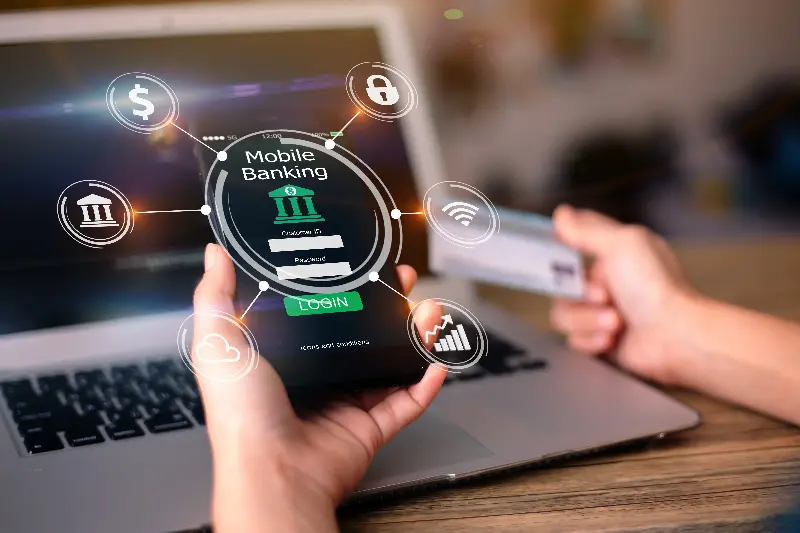
The feel of bills leaving a hand used to impose a natural sense of limit; today’s cashless transactions are almost frictionless. Psychologists call this “payment decoupling.” Without physically parting with cash, people often underestimate how much they’re spending, resulting in higher overall purchases. A study from MIT found that consumers will spend up to 100% more when using credit cards or phone apps compared to cash.
Yet it’s not all about losing self-control. Digital payments are also making it easier to stick to budgets—when those budgets are digital too. Many apps now offer features to round up spare change on every transaction, automatically channeling small sums into savings. Some even nudge users when they’re nearing a self-imposed spending limit. These behavioral nudges, built into the very systems we use to pay, are subtly steering consumers towards healthier financial habits.
Security and Trust: Navigating a Digital Landscape
For those worried that the cashless revolution might open the door to new risks, the fintech sector has responded with robust solutions. Biometric authorizations, two-factor authentication, and location-based alerts make digital transactions safer than ever. Transparency in digital payments can also make fraud easier to spot—instant notifications flag suspicious activity, often before it escalates.
Interestingly, trust in digital systems is growing across generations. While older adults were once cautious about digital payments, a recent survey by Pew Research Center found that 74% of Americans over 60 now use some form of mobile payment, up from just 40% five years ago. As digital payments become woven into daily routines, they foster trust not just between consumers and technology, but also between buyers and sellers—especially for cross-border or remote transactions.
Shaping the Marketplace: What the Cashless Future Means for Businesses and Consumers
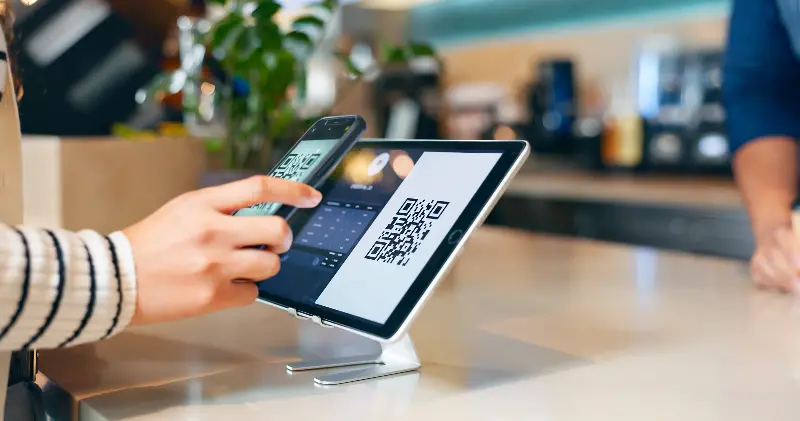
Retailers and service providers are quickly adapting to consumers’ new habits. Many stores now accept digital payments exclusively, slashing transaction times and reducing overhead costs. At the same time, businesses can harness purchasing data to personalize offers and improve loyalty programs. Suddenly, your digital payment history can unlock exclusive discounts or perks tailored to your preferences.
On a broader scale, digital payments are facilitating global commerce. Small businesses can reach new international markets, and travelers move between cities and countries without ever worrying about exchanging currency. The seamless nature of digital money is making the world feel smaller, more connected, and full of opportunity.
The change to a cashless society is more than just an upgrade in payment technology—it’s a transformation of consumer behavior, financial responsibility, and the everyday economy. As digital payments become more ingrained in our lives, the way we think about money continues to evolve, promising a future that’s quicker, safer, and—perhaps most surprisingly—full of possibilities for smarter, more mindful spending.