



Reducing waste does not mean living with jars of scraps or sacrificing every modern convenience. Small, intentional changes at home, at work, and while shopping can keep useful materials in circulation much longer. Many of these habits also lower grocery bills, reduce energy use, and simplify your daily routine. The most sustainable item is almost always the one you already own and use well.
Start With a Simple Waste Check
Before purchasing new storage containers or altering your entire lifestyle, inspect your rubbish and recycling bins for one week. Pay close attention to what appears most frequently:
-
Food packaging and plastic wrap
-
Takeaway coffee cups and drink bottles
-
Spoiled produce and unused leftovers
-
Paper towels and disposable wipes
This quick audit reveals your easiest opportunities for improvement. For instance, a household throwing away unused salad leaves each week will benefit far more from smarter meal planning than from buying reusable straws. Focus on one or two major sources first so changes fit seamlessly into your routine.
Plan Meals Before You Shop
Food waste is one of the most expensive forms of household waste. Purchasing ingredients without a clear plan often leads to forgotten produce and duplicate items. Before heading to the market, check your fridge, freezer, and cupboards, then write a list based on meals you genuinely expect to cook.
Choose versatile ingredients that work across multiple dishes. Roasted vegetables can easily transform into soups, wraps, pasta sauces, or omelettes. Overripe fruit works exceptionally well in smoothies or home baking. Additionally, understanding date labels prevents good food from being tossed unnecessarily:
-
"Best before" dates relate to peak food quality rather than safety.
-
"Use by" dates are strict guidelines intended for food safety.
Carry Reusables You Will Actually Use
A durable water bottle, travel mug, reusable shopping bag, and compact food container can eliminate a steady stream of disposable packaging. The key is curating a small set that is lightweight and effortless to remember.
Keep a foldable tote in your backpack, coat pocket, or car. Refilling a water bottle costs a fraction of buying packaged drinks and replaces hundreds of single-use plastic bottles over its lifetime. When buying takeaway meals regularly, check if local businesses accept your clean reusable containers.

Buy Less, But Buy Better Quality
The cheapest item at the checkout is rarely the most economical over time. Poorly made clothing, flimsy kitchen tools, and cheap electronics wear out quickly, creating unnecessary clutter and repeat expenses. When shopping, prioritize durable products featuring repairable parts, clear care instructions, and minimal packaging.
This principle is about pausing before every purchase to consider if an item will be used frequently enough to justify owning it. Borrowing or renting rarely used items—such as power tools, party supplies, and camping gear—saves both money and storage space.
Make Leftovers an Intentional Meal
Leftovers frequently become waste when treated as an afterthought. Schedule a dedicated "use it up" dinner once a week to combine small portions into fried rice, hearty soups, grain bowls, or tacos.
Store food in clear, labeled containers and move older items toward the front of the fridge. You can also freeze vegetable peelings, herb stems, and roasted bones to craft flavorful homemade stock at zero additional cost.
Swap Disposable Cleaning Supplies
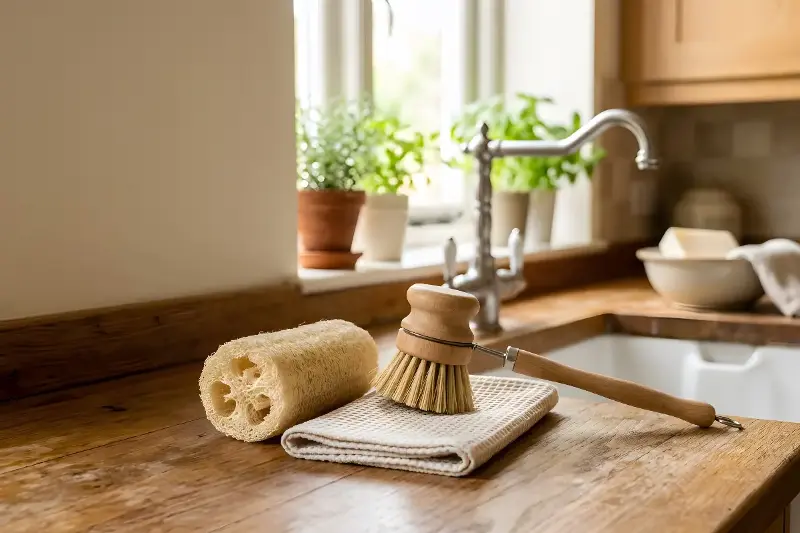
Single-use paper towels and synthetic cleaning wipes disappear rapidly. Replace them with washable cotton cloths, repurposed old towels, or reusable microfiber pads for everyday spills and dusting.
A simple, effective cleaning mixture can often be made using water and a mild dish soap. Reserving disposable products exclusively for heavy-duty situations dramatically cuts down on daily household trash.
Repair Items Before Replacing Them
A loose button, dull knife, or minor seam tear does not mean an item has reached the end of its life. Basic repairs extend product lifespan while teaching valuable practical skills.
Sharpening kitchen knives, mending small tears, or replacing a frayed cable is usually far cheaper than buying new. Utilizing local cobblers, tailors, or community repair workshops keeps products in service longer and reduces overall demand for new manufacturing.
Choose Refill and Bulk Options Wisely
Refill shops and bulk food aisles significantly reduce plastic packaging for dry grains, soaps, and household cleaners. Bring clean containers and buy quantities you will realistically consume.
Always compare unit prices rather than package sizes, as some bulk goods vary by location. Concentrated cleaning liquids and refillable soap dispensers are excellent choices for reducing plastic bottle purchases each year.
Compost Food Scraps and Organic Material
Composting turns kitchen scraps into valuable, nutrient-rich soil conditioner instead of sending them to landfill sites. Ideal home compost materials include:
-
Fruit and vegetable trimmings
-
Coffee grounds and loose tea leaves
-
Eggshells and crushed nut shells
-
Dry garden leaves and unprinted paper
If outdoor space is limited, look for municipal food waste collection programs or community garden drop-offs. Diverting organic waste from landfills helps prevent the buildup of harmful greenhouse gases.
Adopt Mindful Digital Habits
Digital receipts, e-bills, and online notes eliminate paper clutter instantly. Unsubscribe from unwanted marketing mailings and place a "no junk mail" sign on your letterbox to save paper, ink, and natural resources.
Apply this same longevity mindset to your electronics. Protect phones and laptops with durable cases, use them as long as they function smoothly, and safely recycle old devices through verified electronic collection schemes. Small daily choices build momentum toward a cleaner home and a more sustainable lifestyle.