


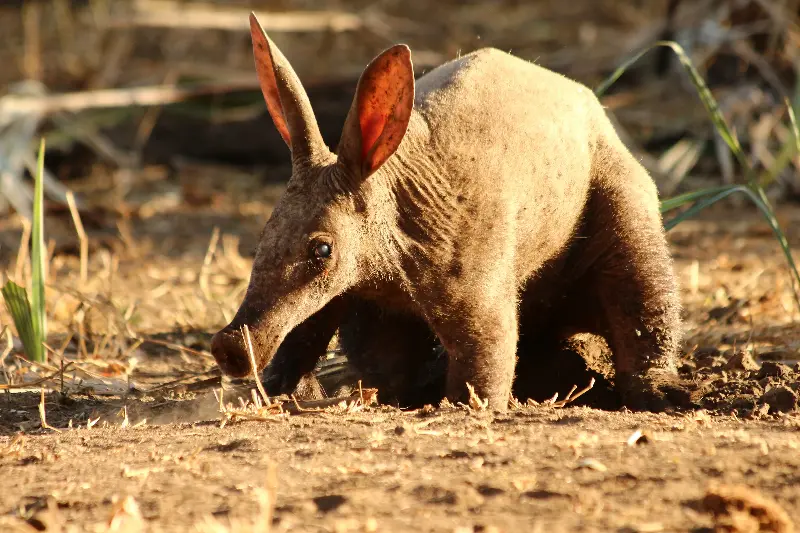
In the vast savannas and woodlands of Africa, as the sun dips below the horizon and most animals settle into sleep, an unusual creature emerges from its hidden burrow. With an elongated snout, massive ears, and powerful claws, the aardvark embarks on its nightly adventure in search of food.
Though hardly ever seen, the aardvark is one of Africa’s most fascinating and least understood mammals, boasting surprising adaptations that have allowed it to thrive in some of the continent’s harshest environments.
A PUZZLING NAME AND DISTINCT APPEARANCE
The word “aardvark” comes from Afrikaans, meaning “earth pig”, though the animal isn’t related to pigs at all. In fact, aardvarks are the only surviving species in the entire order Tubulidentata, making them genetic loners in the world of mammals.
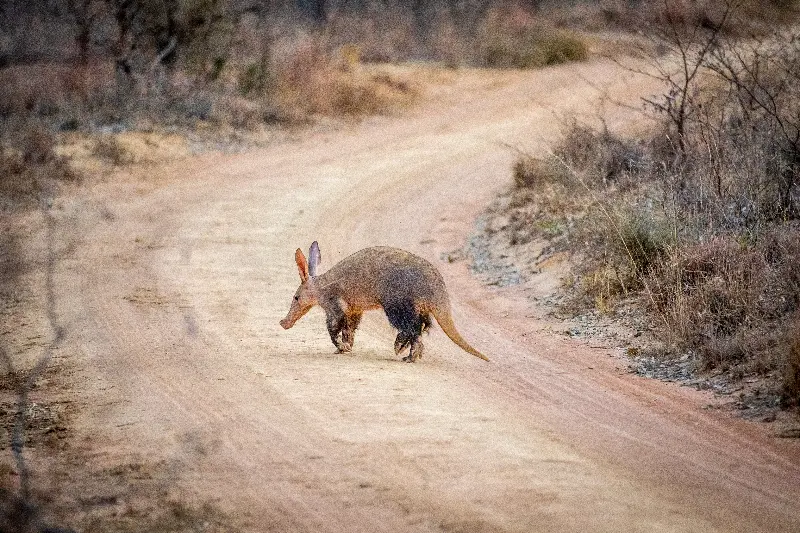
Their odd appearance has puzzled scientists and wildlife enthusiasts for years, as they sport a bizarre combination of features:
- A pig-like body with thick, bristly skin.
- A kangaroo’s tail for balance and power.
- Rabbit-like ears that can swivel independently to track sound.
- A long, sticky tongue reaching up to 30 centimeters (12 inches).
Weighing anywhere from 40 to 80 kilograms (88 to 176 pounds), aardvarks cut a striking figure among Africa’s nocturnal wildlife.
MASTERS OF THE NIGHT
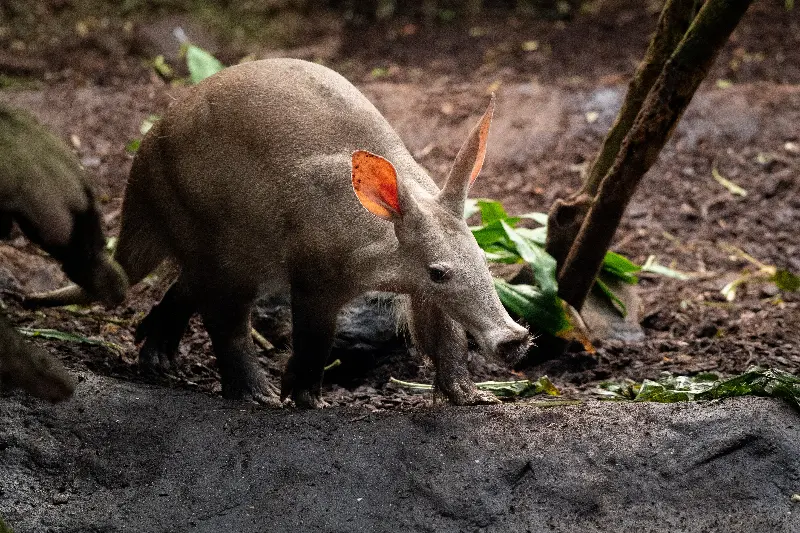
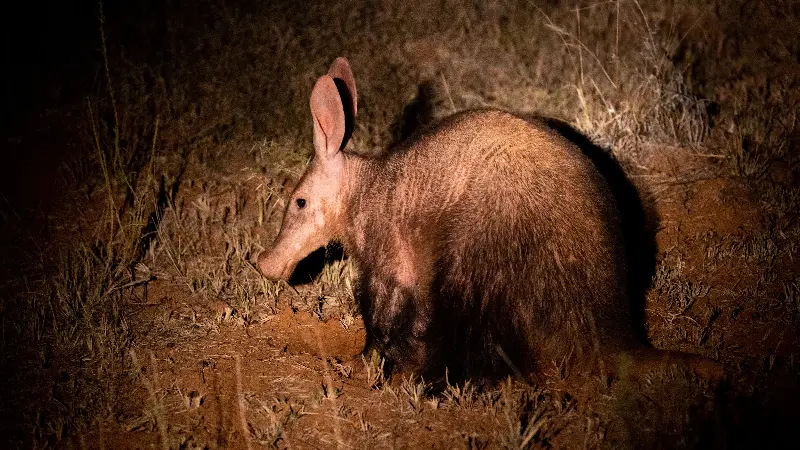
Aardvarks are strictly nocturnal. As dusk falls, they leave their underground homes to hunt, often traveling up to 16 kilometers (about 10 miles) in a single night. Their keen sense of smell guides them to their primary food source: ants and termites.
An aardvark can gobble up more than 50,000 insects in one night. Their feeding process is highly specialized:
- Detection: Large ears capture the faintest rustles of insect colonies.
- Access: Powerful claws tear through concrete-hard termite mounds.
- Consumption: The wormlike tongue, coated with sticky saliva, sweeps up thousands of insects in seconds.
This swift feeding not only sustains the aardvark but also helps keep termite populations in check, playing a crucial role in the African ecosystem.
INGENIOUS DIGGING ABILITIES
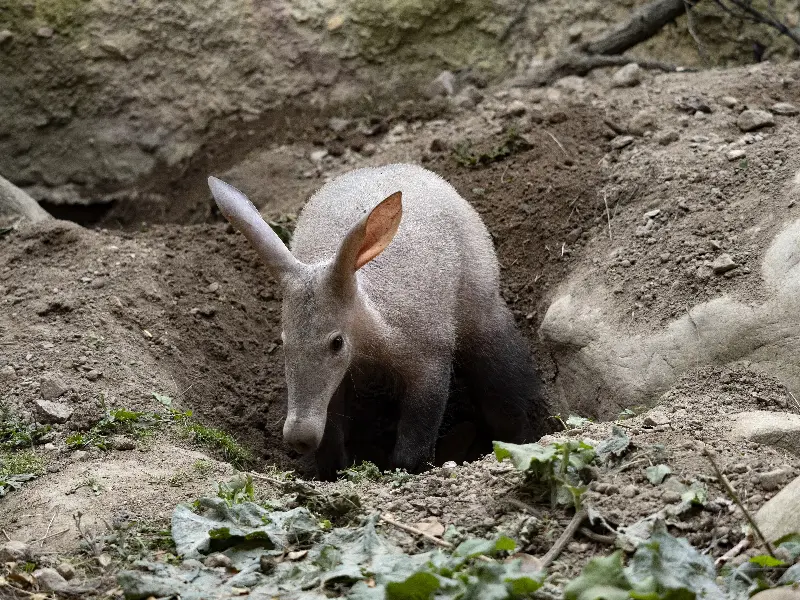
The aardvark’s most remarkable trait is its powerful digging skills. Their strong, spade-shaped claws work like a natural excavator. When threatened, they can disappear underground in a matter of minutes. In fact, some wildlife biologists say an aardvark can dig a tunnel as fast as a human can run.
Their burrows are architectural marvels, sometimes stretching over ten meters in length with multiple entrances. These structures are vital because:
- Abandoned burrows provide crucial shelter for warthogs, porcupines, reptiles, and birds.
- They offer safety from predators like lions and hyenas.
- They provide a stable climate to escape extreme weather and bushfires.
SURPRISING SURVIVAL SKILLS
Life in the wild is tough, but aardvarks have developed numerous survival strategies to stay safe. Their skin is incredibly thick and tough, providing protection against insect bites, thorny vegetation, and the occasional predator.
When cornered, they have two main lines of defense:
- Stealth: They are remarkably quiet, moving silently through the night to avoid detection.
- Power: If forced to fight, they use powerful backward kicks from their strong hind legs to fend off attackers.
Additionally, they are astonishingly adaptable. During the dry season when insects are scarce, they eat the “aardvark cucumber”, a wild fruit that provides both nutrition and much-needed hydration.
A KEYSTONE OF THE ECOSYSTEM
Aardvarks might not be headline-grabbing celebrities, but they are a keystone species. By controlling termite populations, they prevent damage to the surrounding vegetation. More importantly, their influence as unwitting landscape architects shapes the ecosystem by providing homes for dozens of other species.
ENDANGERED OR ELUSIVE?
Though aardvarks are widely distributed south of the Sahara, their elusive nature makes population estimates difficult. They face localized threats, such as habitat loss due to agriculture. However, their ability to occupy a variety of habitats and their secretive lifestyle have allowed them to survive while other species dwindle.
Africa’s nocturnal wonder is a symbol of silent resilience, living out its life in the shadows but quietly holding the threads of an entire ecosystem together. The aardvark reminds us that even the most mysterious and overlooked creatures are essential to the vitality of our natural world.