


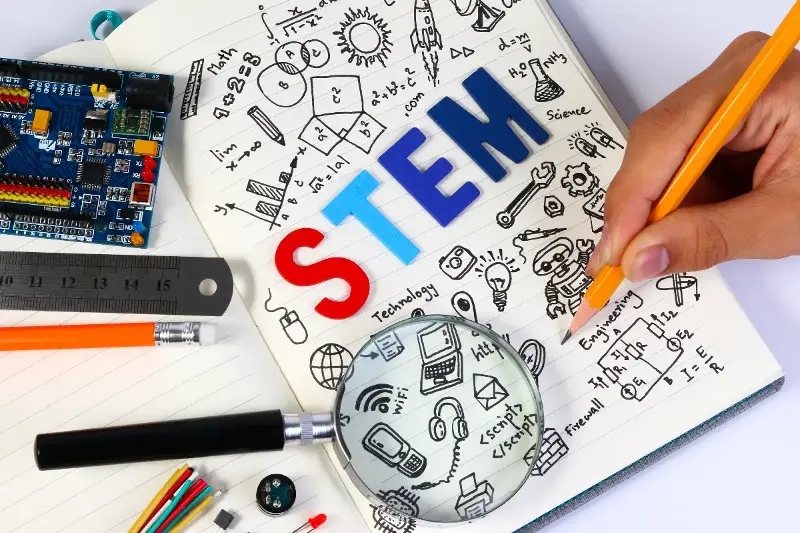
Digital life shapes how young people learn, communicate, create, and build careers. From artificial intelligence tools to clean-energy systems, today’s world is driven by science, technology, engineering, and mathematics.
STEM education provides one of the strongest foundations for the future. It is not exclusively for future programmers or engineers; it develops practical thinking that helps students navigate every career and everyday choice in a fast-changing world.
Preparing for Emerging Careers
Many future roles are still being invented. Technology, data analysis, cybersecurity, renewable energy, and artificial intelligence represent major areas of growth:
- Healthcare: Professionals use electronic records and digital diagnostic tools.
- Agriculture: Farmers rely on satellite data, sensors, and weather modeling.
- Business: Entrepreneurs depend on online payment systems, digital marketing, and data analytics.
The ultimate benefit of STEM learning is adaptability. Learning to code, design an experiment, or solve a mathematical problem teaches students how to break complex challenges into manageable steps.
Building True Digital Literacy
True digital literacy goes far beyond basic smartphone use. It means understanding how online information is created, shared, and evaluated:
- Critical thinking: Science lessons teach students to evaluate sources and distinguish evidence from opinion.
- Algorithm awareness: Computing classes reveal how algorithms influence digital content feeds.
- Data evaluation: Mathematics helps students interpret graphs and statistics accurately.
These analytical skills are vital when using generative artificial intelligence. Students who understand data integrity learn to use AI tools responsibly rather than accepting every response without verification.
Turning Curiosity into Problem-Solving
STEM learning connects directly to real-world questions: How do clean energy systems generate power? How can local communities reduce plastic waste? What makes software run smoothly?
Effective learning moves beyond memorizing formulas:
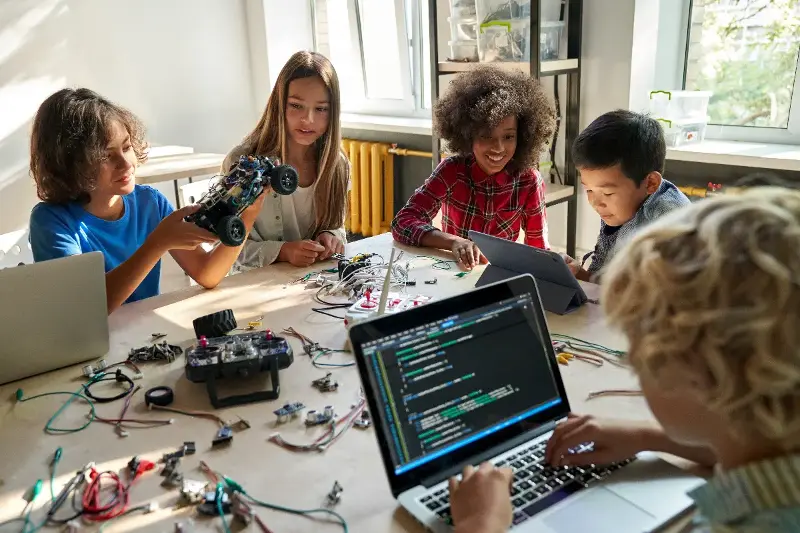
- Testing ideas: Students learn to build prototypes, make adjustments, and refine designs.
- Hands-on experience: Projects like programming a basic game or designing a water filter make concepts memorable.
- Learning from setbacks: Embracing trial and error mirrors how real-world innovation occurs.
Building Confidence and Inclusivity
STEM success depends on curiosity, practice, and supportive environments rather than innate talent. Encouraging underrepresented groups—including young women—opens doors to technical careers.
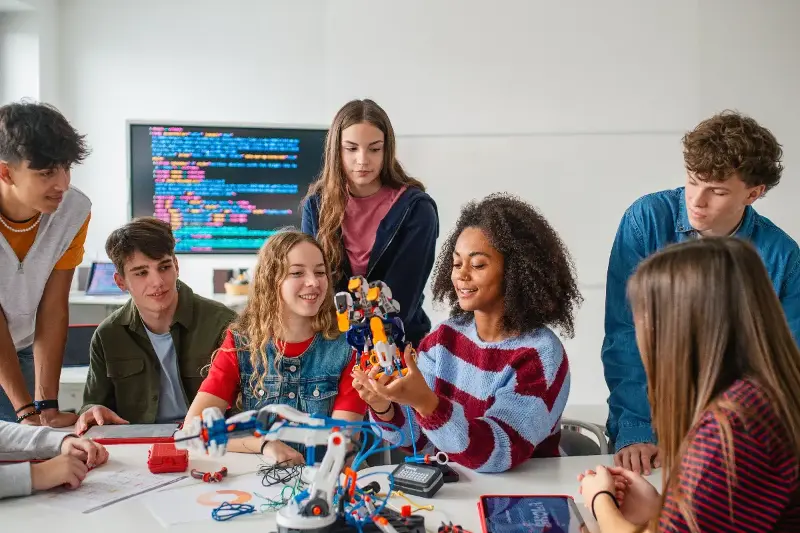
Collaboration is equally essential. Major global advancements are rarely achieved in isolation. Combining technical knowledge with clear communication, empathy, and teamwork enables diverse groups to create better, more inclusive solutions.
Empowering Global Problem Solvers
Global challenges—from environmental protection to sustainable agriculture—require informed, innovative solutions. STEM education empowers young people to use coding, chemistry, and biology to make a positive community impact.
Ultimately, STEM education prepares every student to understand the modern world, ask intelligent questions, and contribute meaningfully to society. That confidence is one of the most powerful tools a young person can carry into the future.