


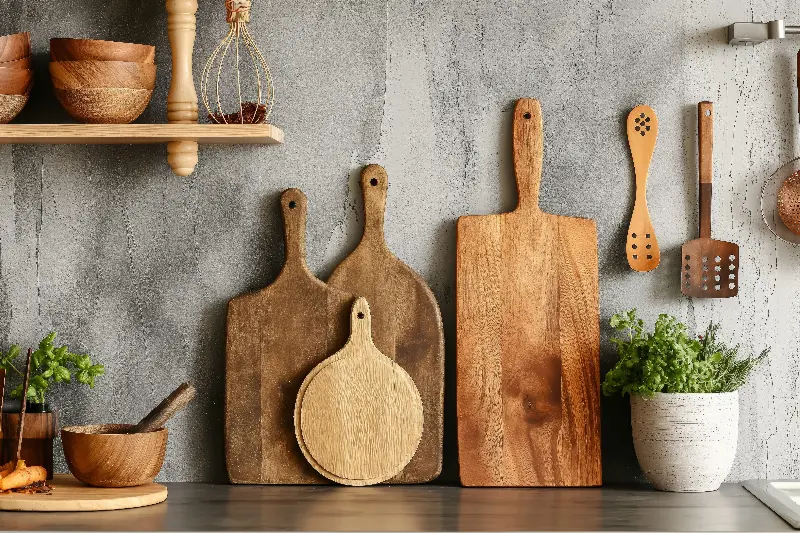
There’s something undeniably charming about a wooden spoon resting in a mixing bowl or a stack of hand-carved spatulas tucked neatly in a kitchen drawer. Wooden utensils have long been a staple in homes worldwide, praised for their rustic beauty, versatility, and gentle touch on cookware.
But as much as we adore their timeless appeal, a question lingers in kitchens everywhere: are wooden kitchen utensils truly hygienic, or do they harbor hidden dangers we rarely see? To understand the answer, we have to look past the surface and into the very fibers of the wood.
A TIMELESS TRADITION IN THE KITCHEN
Wooden utensils have been trusted companions for centuries, withstanding changing culinary trends. From delicate baking to robust stews, wood just feels right. Cookware Friendly: It doesn’t scratch your beloved non-stick pans or cast iron seasoning.
- Heat Resistance: It resists heat without melting or leaching chemicals, unlike some plastics.
- Neutral Flavor: Wooden tools don’t react with acidic foods, ensuring your tomato sauces or citrus dishes remain untainted by metallic or "off" flavors.
- Sustainability: For those looking to reduce their environmental footprint, wood is biodegradable and, when properly sourced, a highly sustainable choice.

THE BIG QUESTION: HOW HYGIENIC ARE THEY?
With all their allure, wooden utensils do have detractors who point to the material's porous nature. The fear is that tiny pores and grooves might harbor harmful bacteria, turning a favorite spoon into a silent threat.
Interestingly, scientific research suggests the opposite. While wood is more porous than stainless steel, studies have shown that it can actually inhibit the growth of bacteria over time.
- Natural Antibacterials: Certain wood types—such as maple, beech, and olive wood—contain natural properties that slow down or kill microbes.
- The Wisconsin Study: A widely referenced study from the University of Wisconsin-Madison found that bacteria tend to disappear from wooden surfaces faster than from plastic.
- Moisture Deprivation: The theory is that bacteria drawn into the wood’s internal structure are deprived of the moisture and nutrients they need to survive, causing them to die off rather than multiply.
MAINTAINING CLEAN WOODEN UTENSILS: BEST PRACTICES
Despite wood's natural resilience, hygiene depends heavily on how you care for your tools. A thoughtful cleaning routine is the difference between a lifetime of service and a kitchen hazard.
- Skip the Dishwasher: Never put wooden utensils in the dishwasher. The high heat and prolonged moisture can warp, crack, and splinter the wood, creating deep crevices where food can hide.
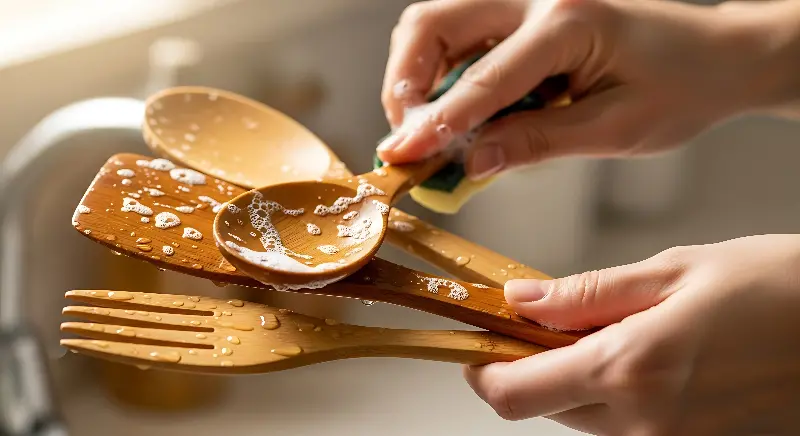
- Hand Wash Immediately: Always wash by hand with warm water and gentle dish soap right after use.
- Sanitize Naturally: To deodorize, use a rub of lemon and salt or a quick soak in a white vinegar solution.
- Dry Completely: Letting your spoon air dry thoroughly is crucial—never tuck away a damp utensil in a dark drawer.
- Oil Regularly: Every few weeks, revive your utensils with food-grade mineral oil. This restores luster and seals the fibers, making them less hospitable to bacteria.
COMPARING WOOD TO OTHER MATERIALS
When assessing hygiene, it’s helpful to contrast wood with its competitors. Plastic is often marketed as the "clean" choice, but once it is scratched by a knife or heavy use, those gouges harbor bacteria more stubbornly than wood.
Metal is non-porous and excellent for high-heat hygiene, but it transfers heat rapidly and can easily damage expensive non-stick finishes. Ultimately, every material has trade-offs. The key isn’t just what your kitchenware is made of, but the diligence of your maintenance.
A GORGEOUS AND SAFE CHOICE
So, are wooden kitchen utensils hygienic? The answer is a qualified yes. When properly maintained, they are not only safe but can even edge out plastic in resisting long-term contamination.
They bring beauty and sustainability to your kitchen while connecting you to generations of culinary tradition. Pair your love of wood with attentive care: clean promptly, dry completely, and retire any utensil that develops deep cracks or a "fuzzy" texture. By doing so, you ensure your favorite tools remain as safe as they are stunning.