


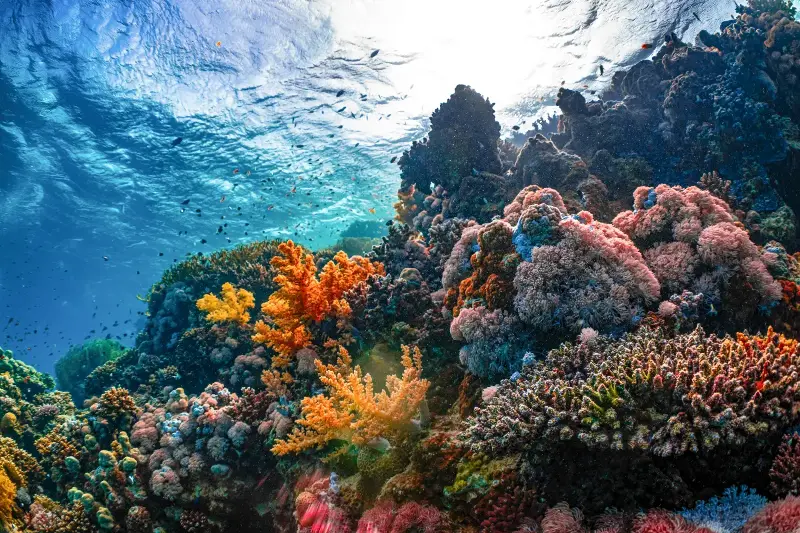
Beneath the rolling waves and sunlit shallows, coral reefs span less than one percent of the ocean floor. Yet, these vibrant underwater ecosystems punch far above their weight. Often referred to as the rainforests of the sea, coral reefs support a dazzling variety of life and deliver priceless benefits to people across the globe. As threats to their survival grow, so does our understanding of why saving coral reefs means saving our oceans—and ultimately, ourselves.
WHAT MAKES CORAL REEFS SO SPECIAL
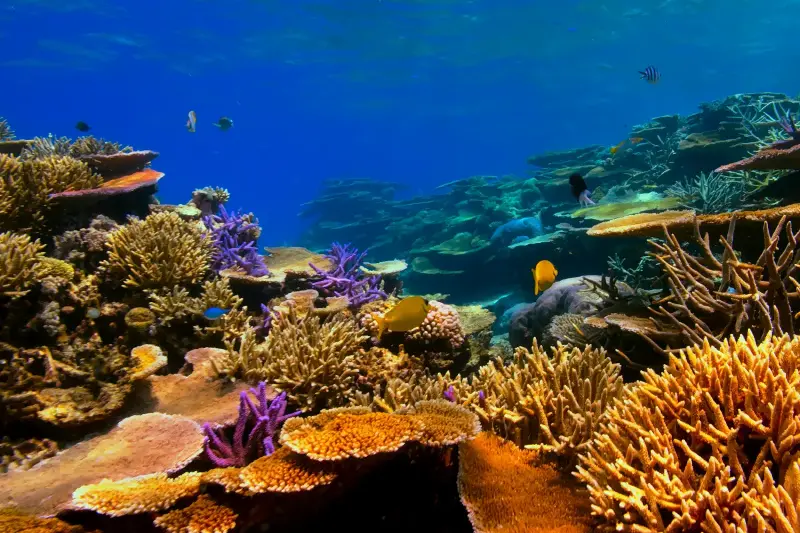
Coral reefs are built by tiny but mighty marine animals called polyps. These minuscule creatures secrete calcium carbonate over decades, crafting intricate structures that become safe havens for marine life. While coral themselves may look like rocks or plants, they are living animals, and their skeletons build the literal foundation of the reef.
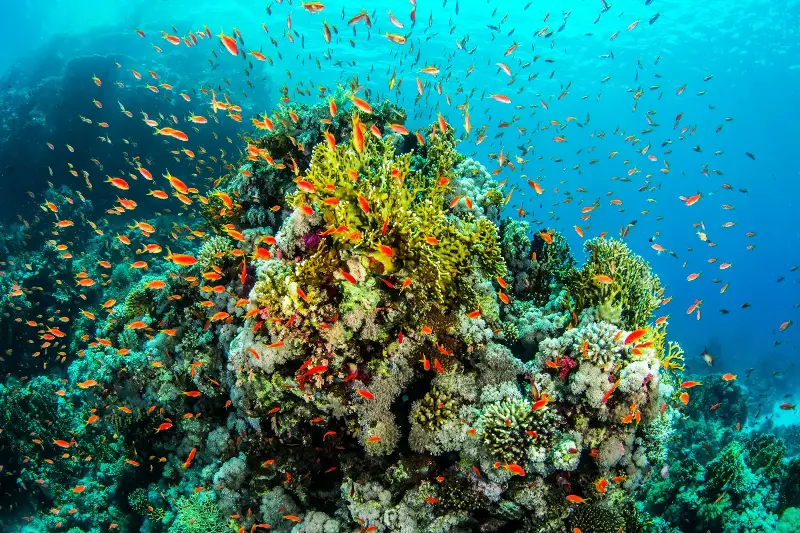
A single reef teems with biodiversity. Scientists estimate that despite covering such a small portion of the ocean, coral reefs are home to around a quarter of all marine species.
An underwater metropolis thrives within these structures, hosting a magnificent array of inhabitants:
- Brilliant parrotfish grazing on algae.
- Elusive octopuses blending into the background.
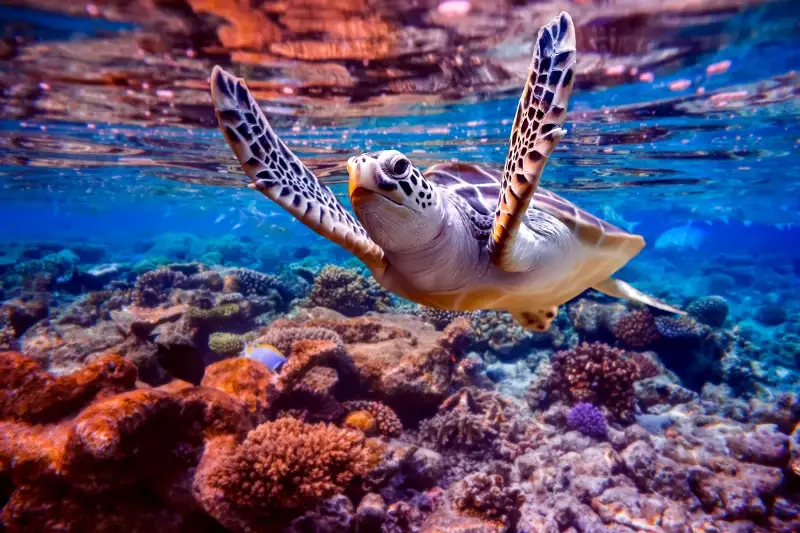
- Agile sea turtles gliding through currents.
- Spiky urchins protecting the reef's nooks.
Even species we do not directly connect to coral reefs, like sharks and dolphins, depend on these rich ecosystems at some point in their lives. The variety is staggering—some reefs hold more species per square meter than any other marine habitat on Earth.
CORAL REEFS AND THE HUMAN CONNECTION
The benefits we receive from coral reefs are extraordinary. Around one billion people worldwide rely on reefs for food, livelihoods, and coastal protection. As nurseries for commercially valuable fish like snapper and grouper, reefs underpin the global seafood industry. In many coastal regions, the livelihoods of fishers, tour operators, and artisans are inextricably linked to healthy reefs.
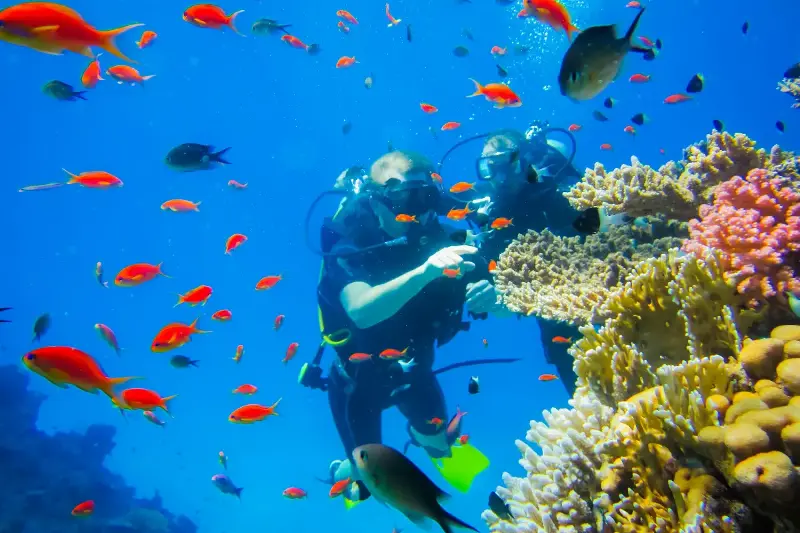
Tourism is another vital connection. Visitors flock to snorkeling and diving hotspots, inspired by the promise of rainbow-colored reefs. For countries like Australia, the Maldives, and the Caribbean islands, reefs are invaluable economic engines. It is estimated that coral reef tourism generates tens of billions of dollars every year—revenue that supports local communities.
Coral reefs also act as nature’s sea walls. By absorbing wave energy, they protect shores in remarkable ways:
- Shielding coastlines from severe erosion.
- Buffering communities against intense storms and flooding.
- Saving billions of dollars each year in avoided infrastructure damages.
A more surprising fact is the medical value of coral reefs. Scientists have discovered compounds in coral organisms that have led to new treatments for critical illnesses and stubborn bacterial infections. The reef’s complex chemical biodiversity holds the keys to medical breakthroughs still waiting to be unlocked.
WHAT IS THREATENING CORAL REEFS TODAY
Despite their resilience, coral reefs worldwide face significant challenges. Climate change stands as their most significant menace. Rising temperatures cause coral bleaching—a process where stressed corals expel the symbiotic algae that give them color and energy. Bleached corals are weak and vulnerable, and frequent bleaching events disrupt entire marine networks.
Ocean acidification, caused by excessive carbon dioxide dissolving into seawater, undermines the ability of corals to build their calcium carbonate skeletons. This weakens individual corals and alters entire reef structures, making them more susceptible to storms.
Local challenges amplify these issues:
- Unbalanced food webs from unsustainable fishing.
- Physical damage from anchors and gear.
- Polluted runoff from agriculture that clouds the water.
- Careless tourism where touching corals leaves wounds.
WHY SAVING CORAL REEFS MEANS SAVING OURSELVES
The story of coral reefs is more than just a marine marvel—it is a story about our own survival and responsibility. The economic, protective, and scientific benefits provided by reefs make them a cornerstone of global well-being. When reefs lose their vitality, the domino effects travel far beyond the sea. Fisheries face immense pressure, coastal communities lose their natural barriers, and future medicines may be lost before they are discovered.
However, the story is filled with hope. Around the world, communities, scientists, and governments are coming together to protect and restore reefs.
Innovative restoration projects are making a real impact today:
- Cultivating corals in specialized underwater nurseries.
- Developing heat-resistant coral strains to withstand warmer waters.
- Establishing marine protected areas to let ecosystems heal.
- Utilizing cutting-edge technology to monitor real-time reef health.
Perhaps most importantly, there is growing awareness that individual choices—like using reef-safe sunscreens and supporting sustainable ocean practices—do make a difference. Saving coral reefs is not just about preserving wildlife; it is about ensuring a thriving future for generations to come.