


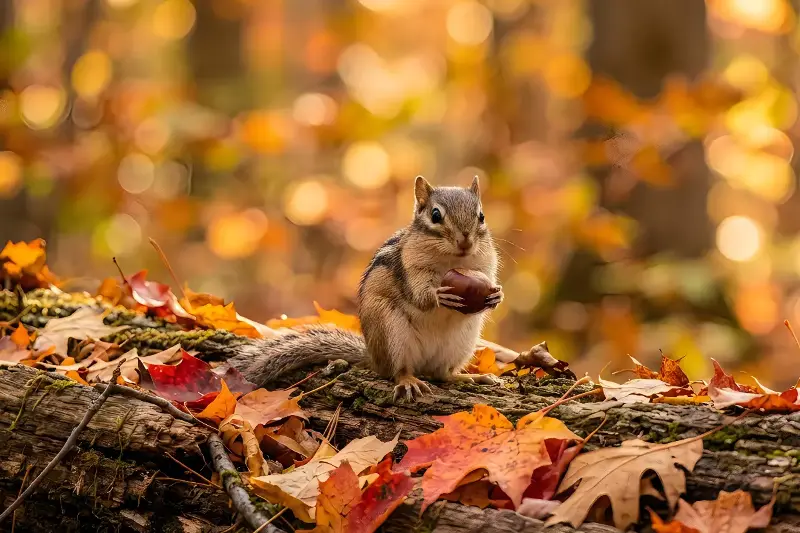
Chipmunks may look like tiny, striped entertainers racing across gardens and forest floors, but their lives involve far more strategic planning than their cheerful appearance suggests. These energetic ground squirrels are skilled excavators, adept food managers, swift climbers, and effective communicators. Their daily routines actively shape surrounding habitats, making them surprisingly vital members of woodland ecosystems.
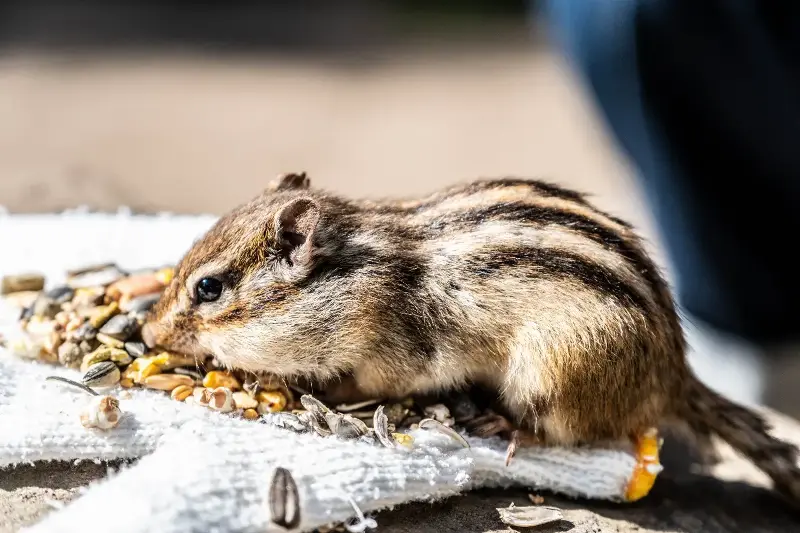
There are more than 20 chipmunk species worldwide, with the vast majority native to North America. The Siberian chipmunk (Tamias sibiricus), found across northern Asia and parts of Europe, is the best-known species outside the Americas. Despite regional differences, all chipmunks share recognizable physical traits:
- Compact bodies built for rapid, agile movement
- Bold dark-and-light stripes running along their fur
- Nimble paws ideal for digging and climbing
- Expandable cheek pouches that function like built-in shopping bags
Underground Architects
A chipmunk burrow is far more than a simple hole in the dirt; it is a masterpiece of subterranean engineering. Many species construct elaborate tunnel networks featuring dedicated chambers for distinct daily activities:
- Nesting quarters lined with dry leaves and soft grass
- Food storage holds designed to preserve gathered seeds
- Latrine spaces kept entirely separate to maintain sanitation
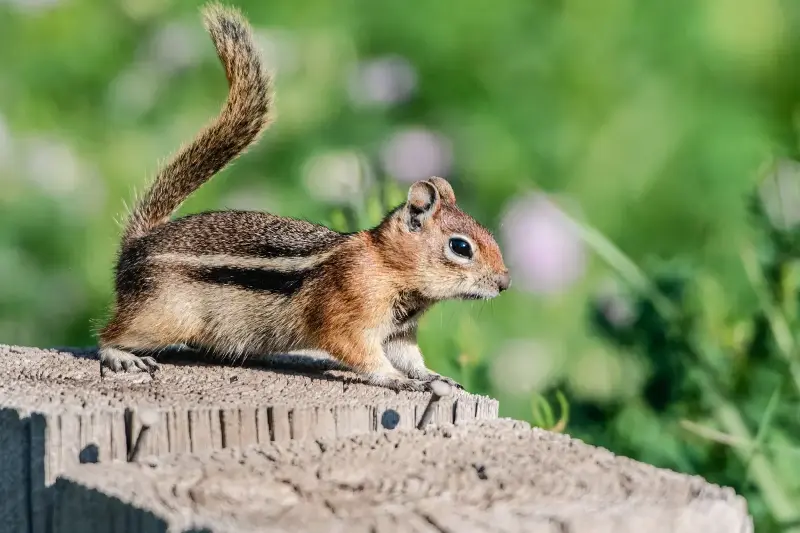
A well-built burrow can extend several meters underground and feature multiple entry points. Chipmunks carefully disguise their main entrance using leaves, soil, and nearby vegetation. This hidden design provides essential protection against natural elements like heavy rain, extreme summer heat, and freezing winter cold.
Cheek Pouches Built for Efficiency
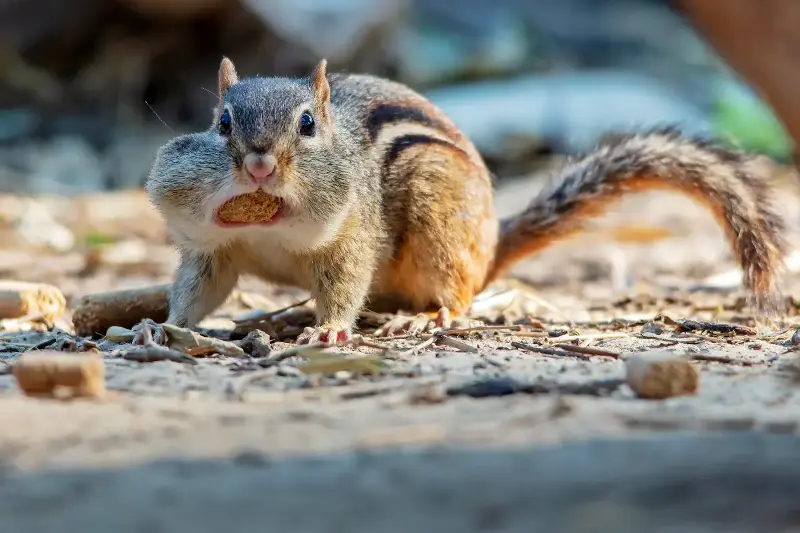
One of the chipmunk's most remarkable anatomical adaptations is its pair of stretchy cheek pouches. Extending from the jaw toward the shoulders, these flexible pockets allow chipmunks to gather large amounts of food rapidly:
- Collect dozens of seeds or nuts in a single trip
- Minimize time spent exposed to open-air hazards
- Transport food safely back to underground storage
They unload these pouches using their front paws, sorting items into specialized underground caches. These stored provisions ensure survival during times when fresh food becomes scarce.
Food Planners with a Messy Influence
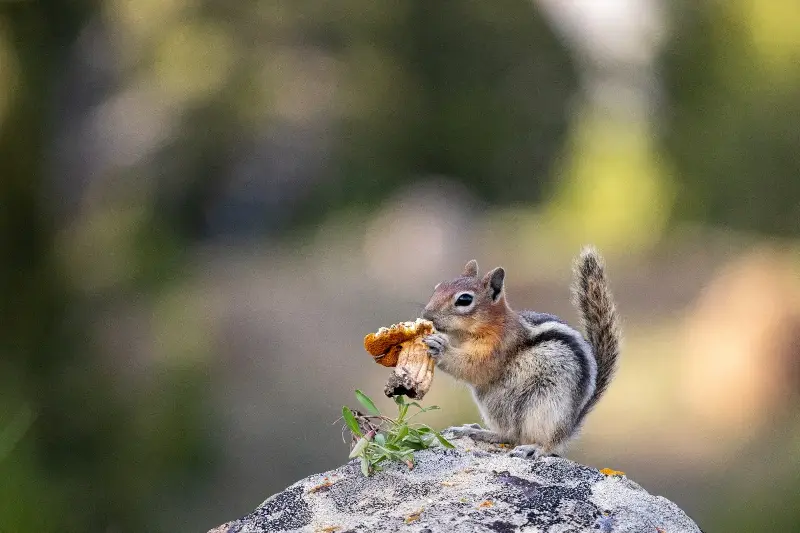
As adaptable omnivores, chipmunks enjoy a varied diet consisting of seeds, acorns, berries, nuts, mushrooms, and small insects. Their habit of burying food inadvertently shapes the surrounding forest landscape:
- Seed Dispersal: Forgotten acorns and seeds frequently germinate, promoting tree diversity and forest regeneration.
- Fungal Transport: By consuming fungi and spreading spores, chipmunks support subterranean networks that help tree roots absorb vital moisture and nutrients.
Through these natural foraging habits, chipmunks quietly act as unsung forest gardeners.
More Than Winter Sleepers
Rather than sleeping continuously through winter, chipmunks enter a flexible state known as torpor. During torpor, their body temperature, heart rate, and metabolic activity drop significantly. However, they wake periodically to consume food from their underground pantries.
This behavior makes autumn an extraordinarily busy season. The energetic foraging seen in fall represents essential, careful preparation to ensure survival through cold weather.
A Language of Calls and Movements
Chipmunks communicate through a lively repertoire of high-pitched chirps, trills, and rhythmic alarm calls. Different vocal signals alert neighbors to potential hazards nearby or overhead.
Complementing their vocalizations are impressive physical adaptations:
- Striped camouflage that breaks up body outlines during fast sprints
- Strong hind legs that propel quick leaps across rough terrain
- Exceptional balance allowing them to scale trees, logs, and stone walls effortlessly
Small Animals with Big Ecological Roles
While chipmunks occasionally disturb garden beds or bird feeders, their contributions far outweigh these minor inconveniences. By aerating soil through tunneling, dispersing seeds, expanding fungal networks, and keeping insect populations in balance, these industrious mammals play a crucial role in sustaining healthy, vibrant ecosystems.