


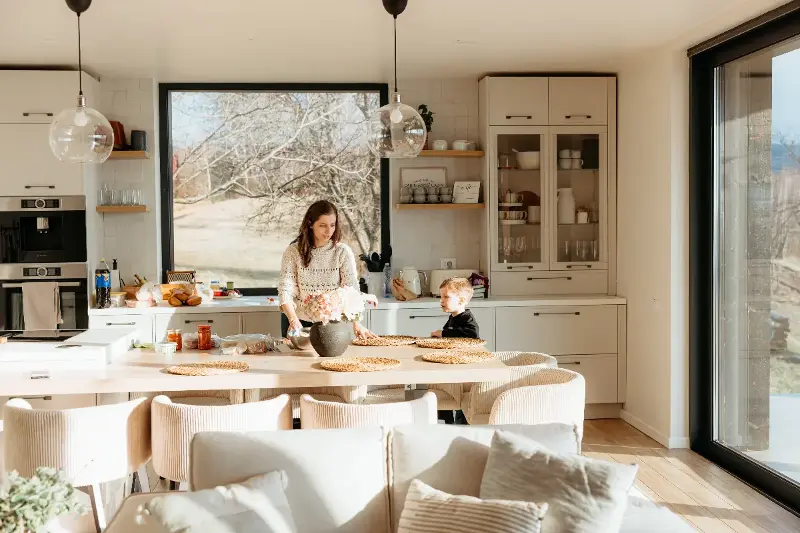
A home can feel current without chasing every passing trend. The most successful interiors rely on principles that have worked for decades: natural materials, useful furniture, comfortable proportions, and details with a personal story. Evergreen styles adapt easily to new technology, changing family needs, and individual tastes. Whether you are furnishing a first apartment or refreshing a long-loved house, these five approaches offer a reliable foundation for modern living.
Scandinavian Simplicity
Scandinavian design gained international acclaim in the mid-20th century for combining clean lines with everyday comfort. Its enduring appeal comes from its sheer practicality—rooms feel light, uncluttered, and welcoming rather than cold or formal.
- Color Palette: Soft white, warm beige, pale grey, or gentle greige to maximize natural daylight.
- Textural Elements: Oak, ash, birch, wool, linen, and plush sheepskin-style textures.
- Key Furniture: Rounded-edge natural wood pieces that soften modern architectural lines.
The secret is choosing fewer, better pieces:
- A comfortable, well-upholstered sofa
- A finely crafted dining table
- Concealed storage to keep daily clutter out of sight
A single colorful artwork or a leafy indoor plant easily adds personality to this calm, bright background.
Mid-Century Modern Warmth
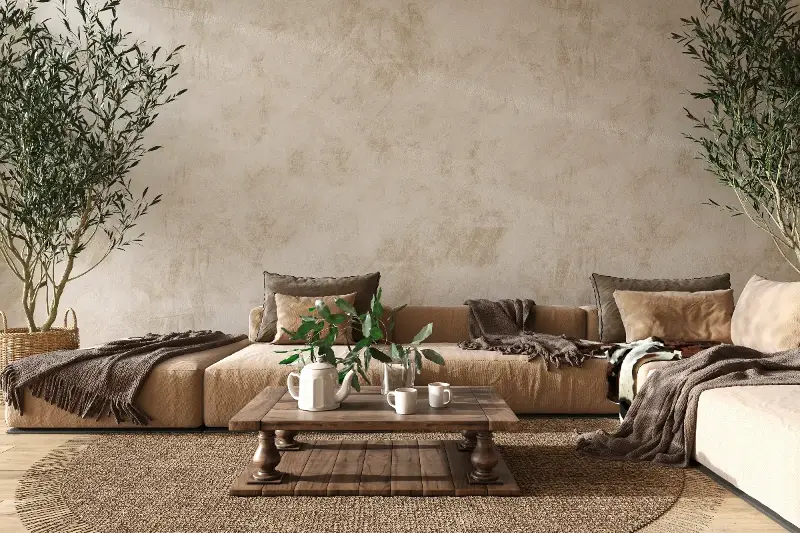
Mid-century modern design features iconic shapes that still look remarkably fresh today: low-profile seating, tapered wooden legs, organic curves, and practical modular storage.
This style was shaped by an era of optimism, as pioneering designers explored new materials to make beautiful design accessible to every household.
- Core Materials: Walnut, teak, and oak paired with molded elements and sleek metals.
- Vibrant Accent Colors: Olive green, rust, mustard, deep navy, or rich caramel.
- Sculptural Lighting: Globe pendants, brass accents, and striking floor lamps.
To create this look, use a warm wood tone as a visual anchor—such as a walnut sideboard or a teak coffee table. Mid-century modern works best when carefully edited; one statement chair can bring more character than an entire room of retro objects.
Classic Contemporary Balance
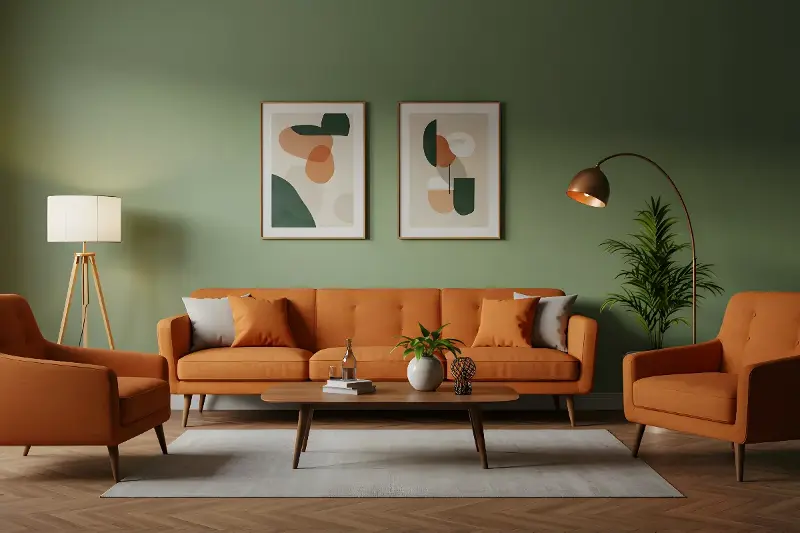
Classic contemporary design is ideal for those who enjoy a polished home that remains warm and accessible. It seamlessly blends familiar, timeless elements with streamlined modern profiles.
Symmetry plays a central role in creating an atmosphere of restful balance:
- Matching lamps flanking a tailored sofa
- Paired armchairs facing one another around a focal point
- Abstract artwork thoughtfully centered above a mantelpiece
To keep the look evergreen, build your main palette around cream, taupe, charcoal, or muted blue. Invest in enduring materials like linen curtains, marble or stone accents, and brushed metal fittings that age gracefully through changing seasons.
Japanese-Inspired Calm
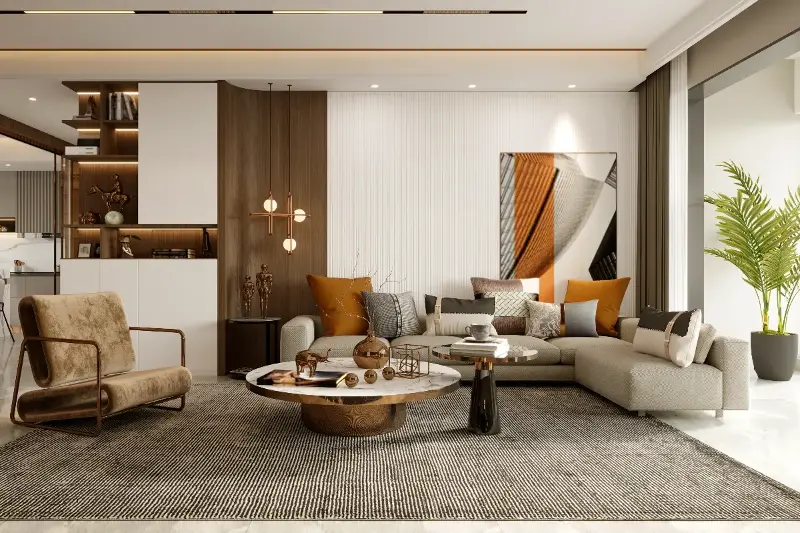
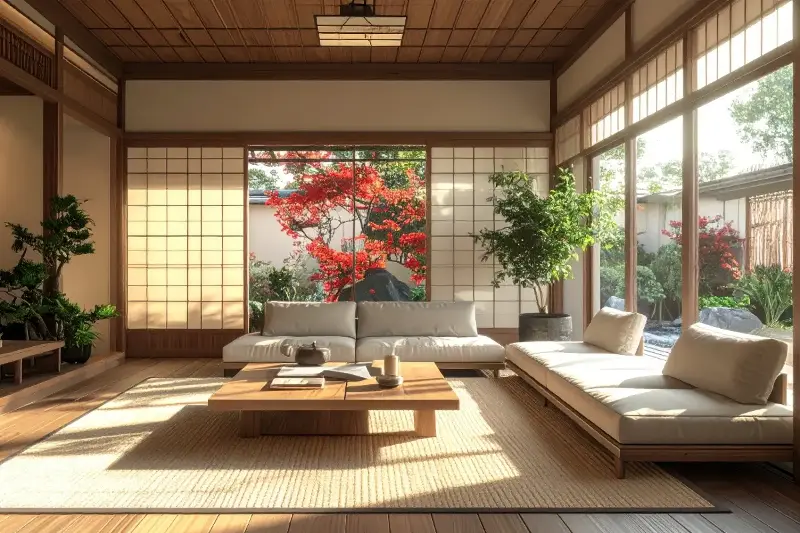
Japanese-inspired interiors offer a peaceful sanctuary from busy daily lives. Guided by simplicity, exquisite craftsmanship, and a close connection to nature, this aesthetic is warmer and more sensory than stark minimalism.
Essential components include:
- Natural Elements: Bamboo, paper, clay, natural stone, and woven cotton.
- Low Furniture: Grounded bed frames and seating that encourage open floor space.
- Meaningful Empty Space: Embracing pauses in room layout so individual objects can breathe.
Keep surfaces mostly clear, displaying only a few items with genuine personal meaning—such as handmade pottery or a single branch in a ceramic vase. This approach creates a soothing environment that naturally supports rest and mindfulness.
Relaxed Modern Rustic
Modern rustic style brings together the warmth of countryside living and the crisp finish of contemporary design. Rather than relying on decorative clutter, it celebrates honest materials and inviting, tactile textures.
Key design choices for this style include:
- Focus on Craft: Exposed timber, wide-plank flooring, and hand-woven textiles.
- Earthy Palette: Warm white, terracotta, clay, sage green, and soft charcoal.
- Harmonious Contrast: Pair rougher surfaces with sleek modern fixtures—such as a clean black metal pendant light hanging over an aged oak dining table.
This approach remains popular because it feels thoroughly grounded, welcoming the gentle imperfections that make a house feel truly lived-in.
The strongest interiors rarely follow a single style perfectly. A Scandinavian sofa can sit beautifully beside a rustic coffee table, while Japanese-inspired calm can soften a classic contemporary space. The ultimate key is investing in pieces that are comfortable, functional, and meaningful to you.