



Electric cars have transformed from niche curiosities into everyday sights on city streets, open highways, and peaceful rural roads. Yet many old assumptions continue to shape public perception. Some myths began when early electric models had short ranges and limited charging choices, while others stem from outdated experiences. While today’s electric vehicles may not fit every single driving lifestyle, the actual facts are far more encouraging than the rumors.
Overcoming the Range Anxiety Myth
The idea that electric cars are only suitable for short trips is one of the most persistent misconceptions. Early mass-market models often offered limited real-world range, which made detailed trip planning essential. Today, modern electric vehicles tell a completely different story:
- Longer distances: Many current models travel over 250 miles on a single charge, with several premium options exceeding 350 miles.
- Practical commuting: According to federal transport data, average daily driving distances are under 40 miles, meaning most drivers can go days between charges.
- Predictable performance: While speed, weather, and topography affect battery usage, modern driving range comfortably surpasses what average commuters actually need for daily travel.
The Reality of Charging Convenience
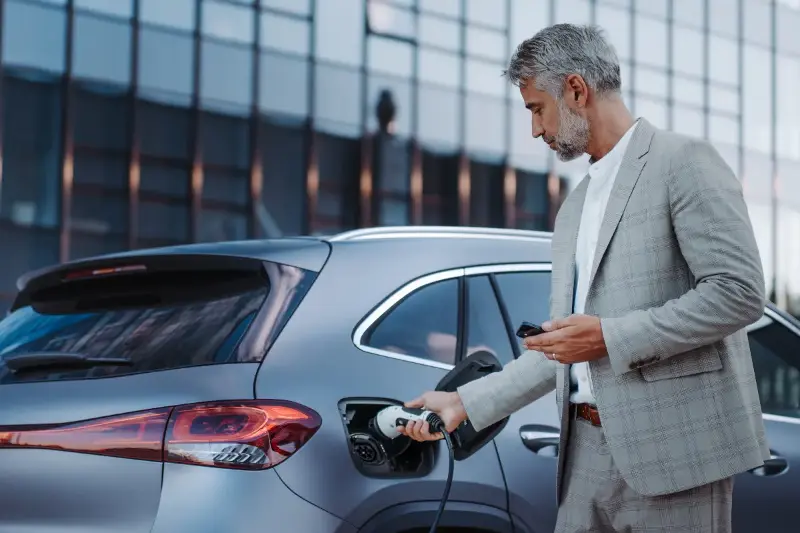
Comparing charging an electric car to filling a petrol tank misses a key advantage: electric vehicles can charge wherever they are parked.
Instead of making dedicated stops at service stations, drivers can effortlessly charge overnight at home, while working at the office, or during routine trips to public venues. A standard home setup lets owners wake up each morning with a full battery. On longer journeys, rapid public charging stations can replenish roughly 100 to 200 miles of range in just 20 to 30 minutes. As charging infrastructure expands worldwide, powering up continues to become faster and more seamless.
Long-Term Battery Durability and Sustainability
A common concern is that electric car batteries will quickly degrade and demand expensive replacements. In reality, modern battery packs are engineered with exceptional longevity in mind:
- Generous warranties: Most manufacturers guarantee battery performance for at least eight years or 100,000 miles.
- Advanced thermal management: Liquid cooling systems and smart software shield batteries against temperature stress, ensuring capacity loss stays very gradual.
- A green second life: Retired batteries are repurposed for stationary energy storage or recycled to recover valuable metals like lithium, nickel, and cobalt for new energy products.
Lifetime Environmental Benefits
While manufacturing any vehicle generates emissions, electric vehicles deliver a clear environmental advantage over their entire operational lifetime. Producing zero tailpipe emissions, they keep neighborhood air fresh and clean.
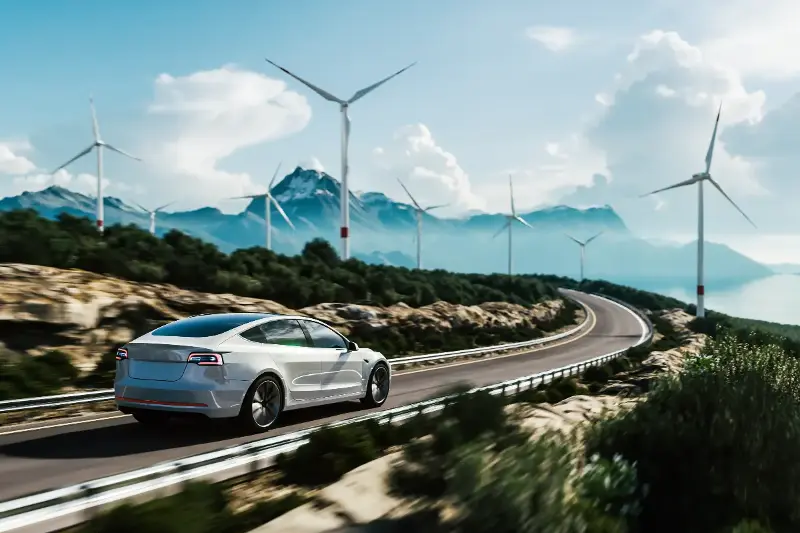
Furthermore, electric drivetrains convert energy far more efficiently than internal combustion systems. As global power grids integrate more solar, wind, hydro, and nuclear energy, electric cars automatically become cleaner over time simply by using increasingly renewable power.
Total Cost of Ownership Advantages
Although initial purchase prices can be higher, calculating the true total cost of ownership reveals impressive financial perks:
- Lower daily fueling costs: Electricity is generally significantly cheaper per mile than traditional fossil fuels.
- Reduced maintenance: Without oil changes, spark plugs, or traditional exhaust systems, maintenance costs remain delightfully minimal.
- Extended brake life: Regenerative braking systems use the electric motor to slow down the vehicle while recovering energy, dramatically extending the lifespan of brake pads.
All-Weather Performance and Handling
Electric vehicles perform reliably across all seasons. Electric motors deliver immediate torque, resulting in smooth acceleration and responsive traction control on wet or slippery roads. Because heavy battery packs sit low beneath the floor, these vehicles feature a low center of gravity that enhances stability through twists and turns.
Drivers can also use preconditioning features to warm or cool the cabin while plugged into the grid, ensuring a cozy interior temperature before the trip even begins!