


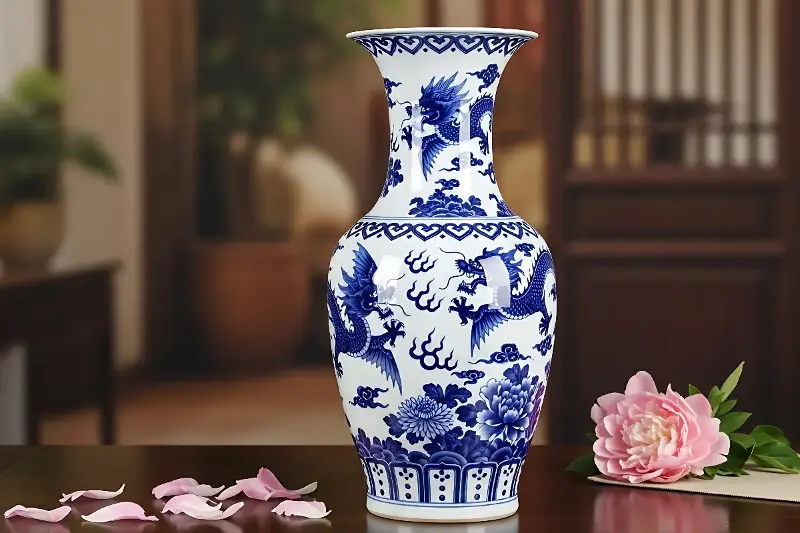
Ceramics shaped by intense heat possess an appeal that extends far beyond their practical origins. A simple bowl, delicate vase, or elegant teacup can command astonishing sums when its surface has been transformed by fire, minerals, and chance inside a kiln. The world's most sought-after fire-glazed ceramics routinely sell for millions because they combine striking aesthetic beauty, technical brilliance, historic importance, and extreme rarity.
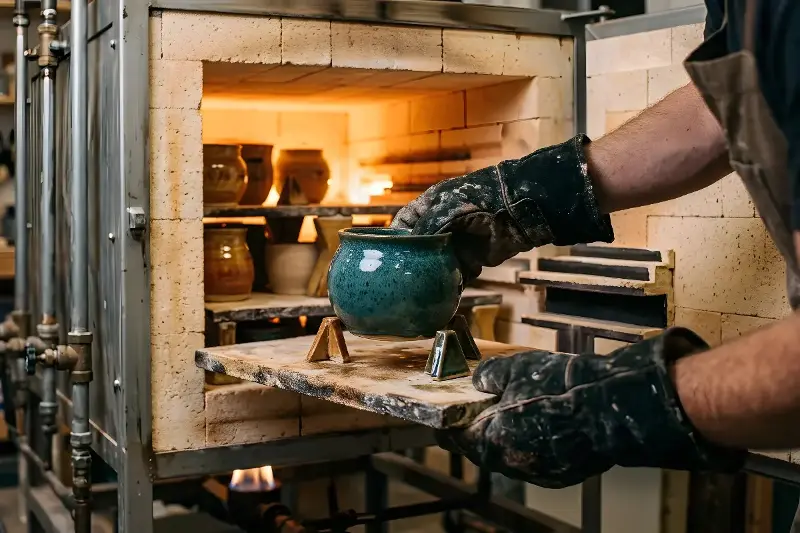
Unlike painters who see their work evolve stroke by stroke, ceramic artists must entrust their creations to the unpredictable environment of the kiln. This element of uncertainty creates a near-miraculous collaboration between human skill and natural elements, yielding luminous fields of crimson, cobalt, violet, and gold.
The Kiln Creates What the Artist Cannot Fully Control
A glaze is essentially a mineral-based coating made from silica, feldspar, ash, and metal oxides that melt and react with clay during firing:
- Iron oxides: Produce serene, classic celadon greens.
- Cobalt oxides: Form brilliant, deep blue tones.
- Copper oxides: Yield fiery, intense reds under specific atmospheric conditions.
- Manganese oxides: Contribute rich purples and warm browns.
Achieving specific colors often requires reduction firing—a controlled kiln atmosphere with reduced oxygen levels. In this environment, copper can dramatically shift from dull grey to brilliant crimson. Because microscopic variations in temperature or airflow drastically alter the outcome, no two hand-fired pieces are identical. Collectors prize this unrepeatable individuality, preferring hand-crafted flame marks over uniform machine production.
The Mystery of Copper Red and Flambé Glazes
Among the most dramatic ceramic finishes are copper red and flambé glazes. Chinese potters pioneered sophisticated copper-red wares centuries ago, yet achieving consistent results remained notoriously difficult, with many firings yielding muddy or uneven surfaces.
Flambé glazes are especially admired for their dynamic, flowing streams of red, purple, blue, and cream. Meaning "flamed" in French, the term perfectly describes surfaces that appear to hold moving fire, reminiscent of molten lava or a vivid sunset. The high technical risk involved in creating a flawless flambé glaze makes surviving historic pieces exceptionally desirable to serious collectors.
Royal Patronage and Exceptional Rarity
The world's most valuable ceramics were historically created under the direct patronage of royal courts and imperial dynasties. Master artisans worked under exacting standards to produce fine porcelain for palaces, sacred rituals, and diplomatic gifts.
This high demand pushed potters to experiment with difficult glazes, refined shapes, and advanced firing techniques:
- Exacting standards: Official workshops produced pieces marked with specific reign symbols to denote quality.
- Extreme scarcity: Fragile ceramics were easily broken over centuries, making surviving pristine examples exceedingly rare.
- Historical prestige: Legendary pieces, such as rare sky-blue Ru wares or vibrant imperial porcelain, hold legendary status among art historians and global collectors.
When rare imperial pieces with unusual glazes enter the market, intense international interest often drives values to historic heights.
Condition, Provenance, and Lasting Visual Power
Physical condition plays a critical role in determining value. A historic ceramic vessel preserved without chips, cracks, or restoration is vastly more valuable than a repaired piece. Experts carefully inspect the foot rim, glaze texture, microscopic firing bubbles, and subtle wear patterns to confirm age and authenticity.
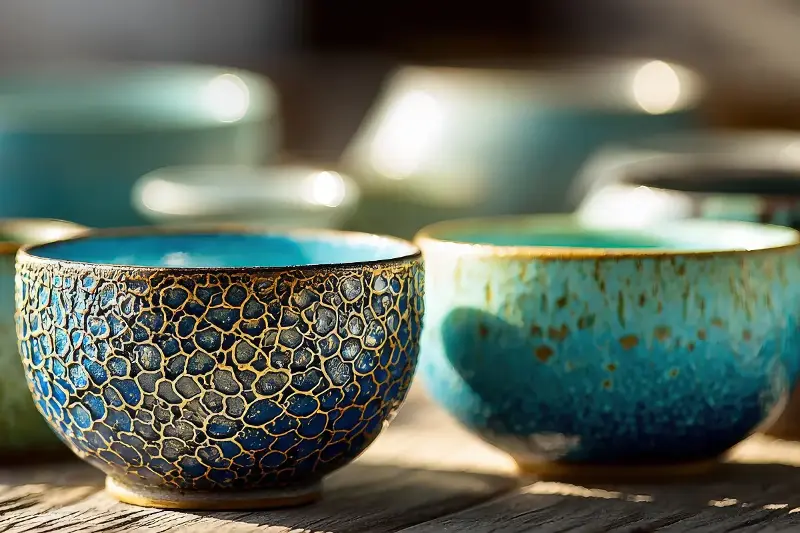
Provenance—a documented history of prestigious ownership, museum display, or publication—adds immense confidence and market value. Yet beyond investment potential, these masterpieces possess enduring emotional power. A well-crafted glaze responds dynamically to light, shifting in tone as sunlight moves across the room. Collectors are not simply acquiring ancient clay; they are preserving a permanent moment of creative triumph forged by fire.