


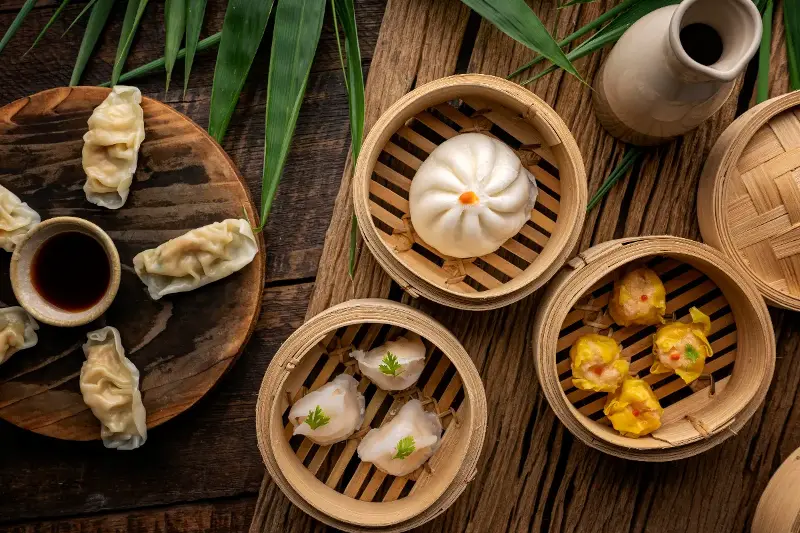
The allure of dimsum stretches far beyond the steamed baskets commonly associated with this beloved Asian delicacy. Step into any bustling dimsum house and you’ll find yourself enveloped in a sensory symphony: the gentle hiss of steam, the clatter of bamboo trays, and the rich aroma of a hundred flavors. But what makes dimsum so special, and what secrets does it hold from its ancient origins to the modern tables of the world?
THE HUMBLE ORIGINS: A CULINARY JOURNEY THROUGH HISTORY
Though dimsum is now a global sensation, its roots trace back more than a thousand years to China’s teahouses along the Silk Road. Travelers would stop to rest and enjoy yum cha—literally meaning “drink tea”—accompanied by small bites designed to nourish and comfort.
Far from the large, elaborate banquets of traditional Chinese cuisine, dimsum was conceived as food for the traveler, the worker, and the family. Over centuries, regions began to imprint their own stamp on these recipes:
- Cantonese Dimsum: The most recognized style, featuring a diverse range of steamed, fried, and baked delights.
- Communal Spirit: At its heart, it remains a celebration of sharing, meant to be enjoyed together, piece by delicate piece.
STEAMED BASKETS AND ICONIC CLASSICS
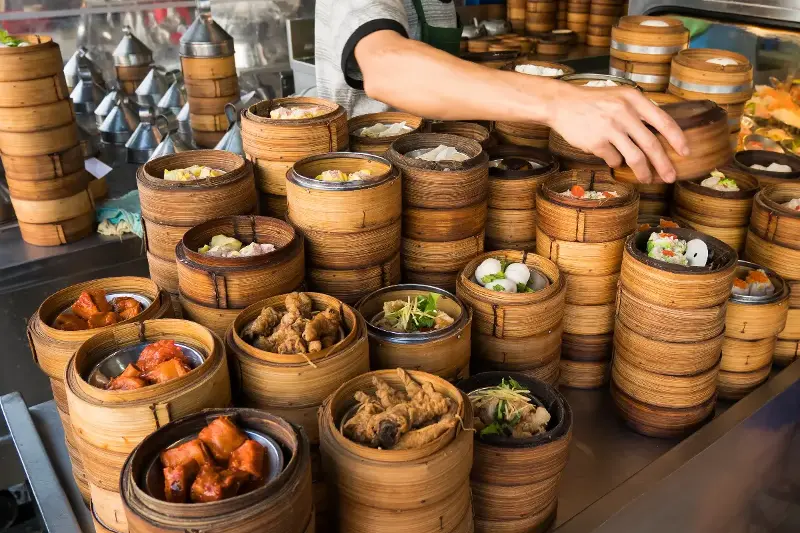
A quintessential dimsum experience revolves around bamboo steamers stacked high. Each lid lifted reveals a treasure trove of flavor. Within these fragrant clouds of steam, you will often find the "Big Three" of the dimsum world:
- Har Gow: Translucent shrimp dumplings prized for their delicate, pleated skin and juicy filling.
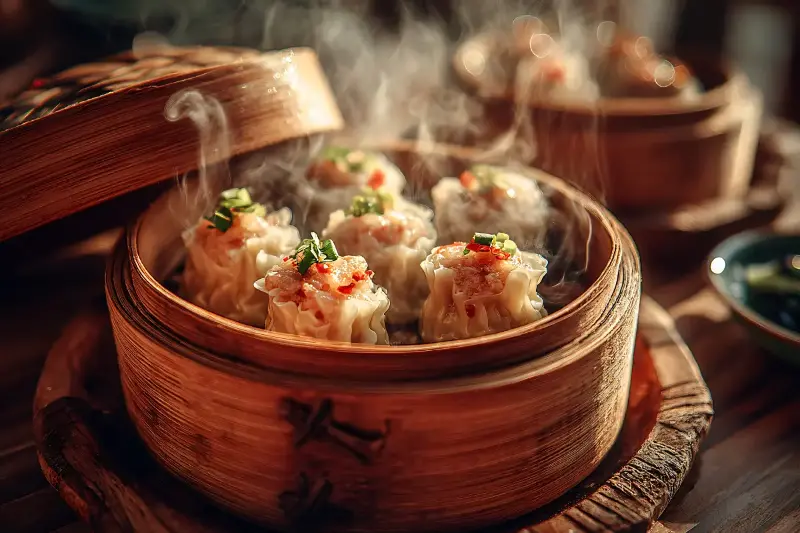
- Siu Mai: Open-topped dumplings blending pork and shrimp, often finished with a colorful dab of roe.
- Char Siu Bao: Fluffy, cloud-like buns bursting with sweet and savory barbecued pork.
But the menu goes deeper. Seek out cheung fun—silky rice noodle rolls drizzled in sweet soy sauce—or lo mai gai, which are sticky rice parcels infused with sausage and mushrooms, all wrapped in a fragrant lotus leaf.
SWEET SURPRISES: DIMSUM’S DESSERT DELIGHTS
While many associate dimsum with savory bites, its sweet offerings are equally captivating. These treats often arrive as the grand finale, blending tradition with unexpected indulgence:
- Egg Tarts (Dan Tat): A beautiful example of East meets West, combining British custard inspiration with flaky Chinese pastry.
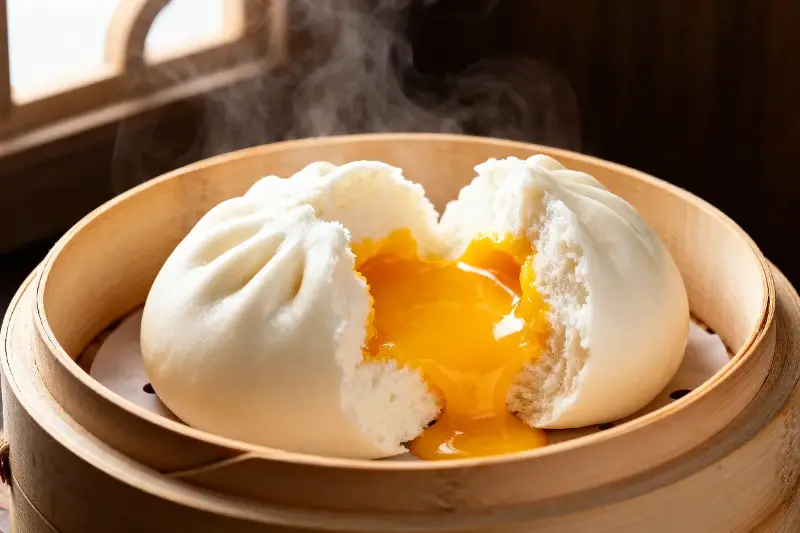
- Custard Buns (Liu Sha Bao): A modest exterior that hides a molten core of salted egg yolk custard—the perfect balance of sweet and salty.
- Sesame Balls (Jian Dui): Deep-fried to crisp perfection and filled with sweet red bean or lotus paste.
ART AND INNOVATION IN EVERY BITE
A dimsum chef’s skills are measured by the thinness of dumpling wrappers and the intricacy of their folds. Achieving the perfect har gow skin—elastic yet strong enough to hold its filling—can take years of dedicated practice.
However, dimsum is not just about the past. Modern parlors from Hong Kong to New York are embracing culinary innovation, introducing bold new flavors such as:
- Truffle-infused vegetable dumplings.
- Bright green spinach-dough buns.
- Fusion fillings like smoked salmon and cream cheese.
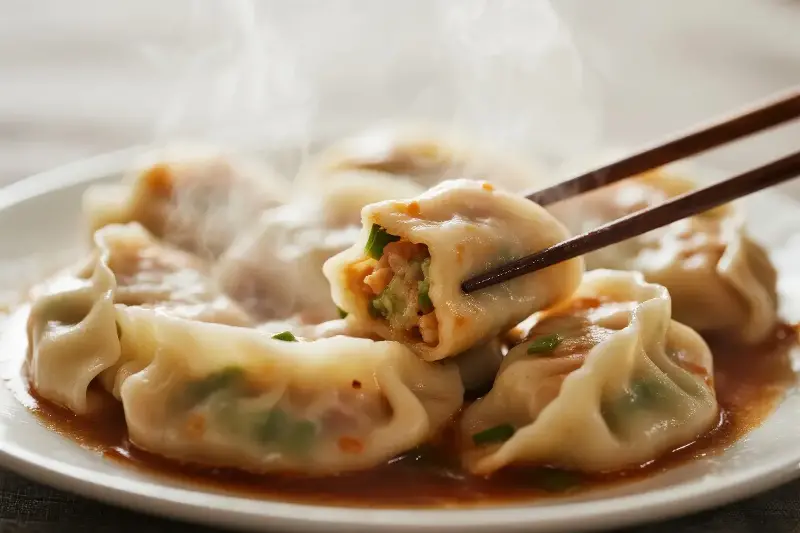
A FEAST FOR ALL SENSES AND SEASONS
Perhaps the greatest secret of dimsum is the shared experience it creates. Meals are paced by the slow arrival of baskets, encouraging conversation and connection. The act of choosing, sharing, and debating over favorites (are you team har gow or team siu mai?) is a timeless ritual.
Dimsum is also endlessly adaptable. Lighter vegetable dumplings suit hot summer mornings, while hearty baked buns comfort on chilly afternoons. In celebrating these secrets, we uncover not just a rich heritage, but the universal pleasure of sharing good food in good company. Next time you lift that bamboo lid, remember: you are partaking in a tradition that has delighted palates for generations.