



In a world where you can video chat with a friend across the globe at the click of a button and keep up with family through constant messages, it may seem like technology is the ultimate connector. Still, behind the screen glow, a question lingers—does all this access really bring us closer, or is it quietly building walls we can’t see? The answer isn’t as simple as it seems, and researchers, psychologists, and everyday users continue to debate the true impact of digital tools on human connection.
THE PROMISE OF CONSTANT CONNECTION
The modern world moves at a dizzying digital pace. With the widespread adoption of smartphones, messaging apps, and social networking platforms, we can reach each other almost any time, anywhere. It is undeniably powerful.
- Global Reach: Grandparents can watch their grandchildren grow up through video calls.
- Instant Rapport: Friends can share a laugh with a funny meme no matter how far apart they are.
- Boundary Erasure: Romantic relationships can flourish across continents, eliminating the physical limits of distance.
During global challenges, technology often acts as a lifeline. Studies show that the vast majority of adults find the internet essential for maintaining vital bonds when life pulls us apart. Such statistics paint a positive picture of technology as a social glue.
BENEATH THE SURFACE: THE ILLUSION OF TOGETHERNESS
For all these apparent bridges, cracks are emerging beneath the glossy surface. One of the most surprising findings is what psychologists call the "paradox of connectivity". Despite being more digitally linked than ever, many people report feeling lonely or isolated.
- Quantity vs. Quality: Liking a photo or sending a quick text rarely replaces a heartfelt face-to-face conversation.
- The Highlight Reel: Digital interactions often offer only a curated version of someone’s life, creating a false sense of closeness.
- Authenticity Gap: A limited online persona rarely matches the full spectrum of the human experience.
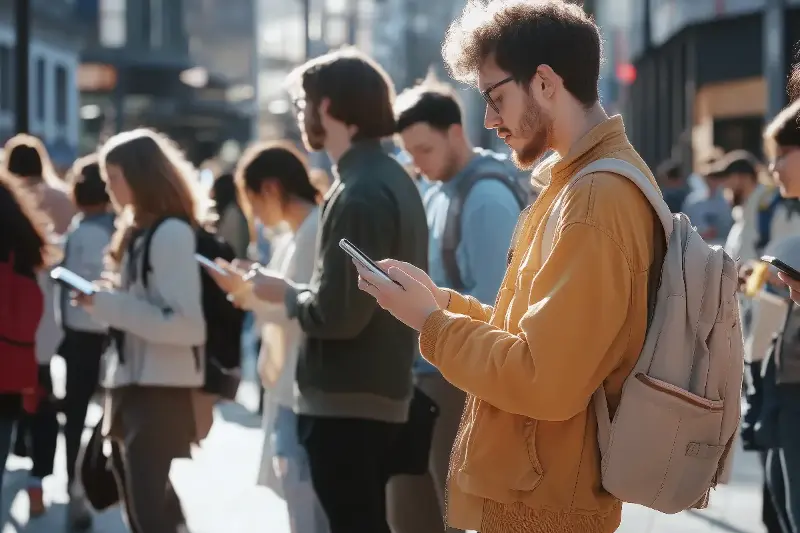
HOW SCREENS CHANGE COMMUNICATION
As our habits shift, so do the ways we interact. Digital tools give us the option to edit, pause, and filter our words in ways that in-person conversations cannot. While emojis and GIFs help break down barriers, they can also lead to significant misunderstandings.
Research indicates that people frequently misinterpret messages when communicating via text compared to face-to-face talks. Because physical cues like tone of voice, facial expressions, and body language are missing, conflicts can escalate, leaving both parties further apart despite the speed of their communication.
BUILDING BRIDGES IN THE DIGITAL AGE
Technology is not inherently divisive; it all depends on how we use it. Platforms have enabled people to find communities based on shared interests that were once impossible to reach.
- Niche Support: From hobbyists to health support groups, finding "your people" online can be a transformative experience.
- Positive Networks: Hashtags and digital challenges encourage acts of kindness and create global networks of support that bridge both age and geography.

STRIKING A HEALTHY BALANCE
The question isn’t whether technology connects or divides us—it is all about mindful engagement. Experts agree that balance is the key to maintaining a healthy social life.
- Scheduled Disconnects: Prioritize phone-free times during meals or family gatherings.
- Intentional Interaction: Opt for a voice note or an in-person meeting to deepen emotional bonds.
- Digital Detox: Consider setting aside time each weekend to step away from screens entirely.
A FUTURE OF THOUGHTFUL CONNECTION
Technology is a tool—one capable of both fostering intimacy and amplifying isolation. The reality is that unlimited connection is not always satisfying, but careful digital engagement can bring us closer than we ever thought possible. The next time you reach for your phone, consider how it might help you build a real bridge, rather than just passing along a fleeting interaction. It is a gentle reminder that while pixels and posts can open doors, it is still up to us to walk through them.