



Your driving behavior has a greater impact on your wallet than you might realize. While gas prices are beyond your control, your habits behind the wheel dictate exactly how far your fuel budget will take you. By understanding the link between driving style and efficiency, you can unlock significant savings—without needing a fancy hybrid or expensive modifications.
THE SCIENCE BEHIND FUEL CONSUMPTION
Your vehicle's engine burns fuel to overcome three primary forces: inertia (getting moving), air resistance (wind), and rolling resistance (tires on the road). Every time you accelerate rapidly, brake hard, or cruise at excessive speeds, you force your car to work against these forces more aggressively, burning more fuel with every mile.
-
The Aggression Penalty: According to experts, aggressive driving—such as rapid acceleration and hard braking—can lower your gas mileage by 15% to 30% on the highway and up to 40% in stop-and-go city traffic.
SMOOTH MOVES: GRADUAL ACCELERATION AND BRAKING
The urge to stomp on the gas at a green light is common, but smooth, steady movement is the secret to efficiency. Rapid starts force your engine to pump significantly more fuel to deliver that immediate burst of power.
- Anticipate the Flow: Look ahead and anticipate traffic signals. By gently increasing or decreasing your speed, you can glide more efficiently through traffic.
- Momentum is Gold: Hard braking at the last second effectively erases the momentum your car worked to build, wasting the fuel previously used for acceleration. Your passengers—and your vehicle's braking system—will appreciate the smoother ride.
KEEP IT STEADY: WHY SPEED MATTERS
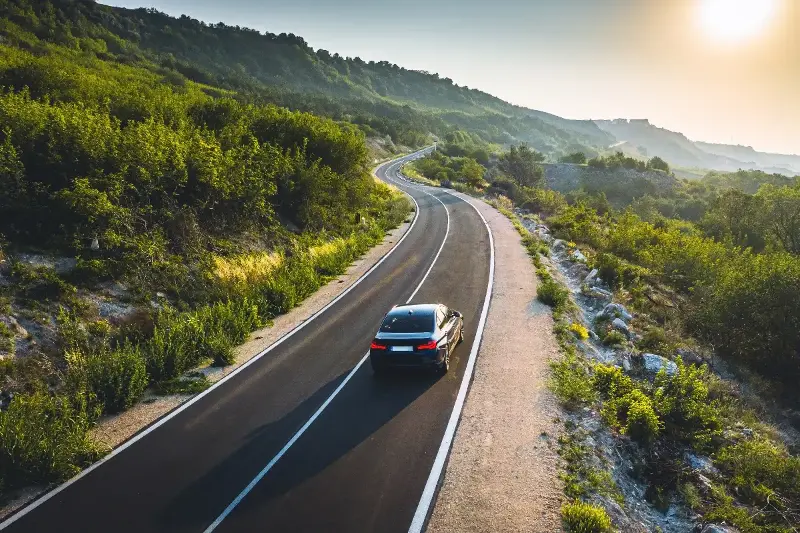
While an open road feels like an invitation for speed, it is also an invitation for higher fuel consumption. Most vehicles operate at peak efficiency between 45 and 65 mph.
- Aerodynamic Drag: Going faster increases drag exponentially. Your engine must burn considerably more fuel just to push the car through the air.
- Use Cruise Control: When on the highway, use cruise control to maintain a constant speed. This helps you avoid the "human error" of fluctuating pressure on the pedal, effectively cutting down on unnecessary fuel waste.
TIRE PRESSURE AND MAINTENANCE
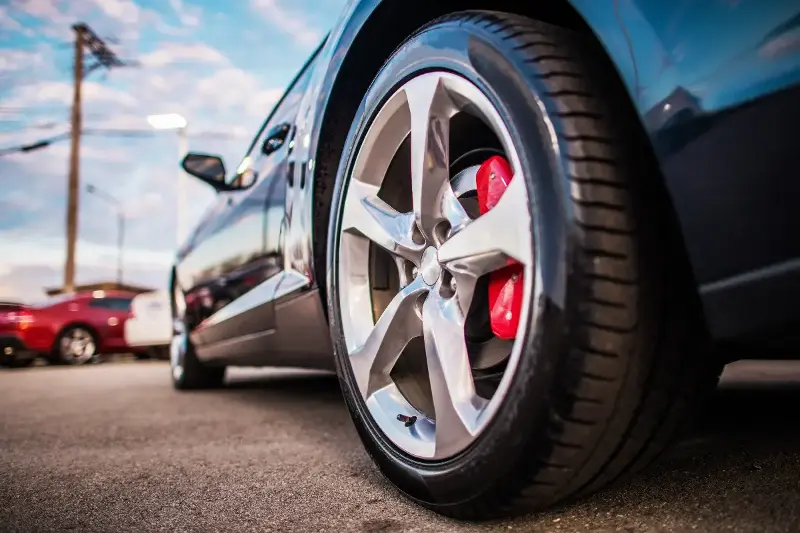
Your tires are the point of contact between your car and the road. Neglecting them is a silent killer of fuel efficiency.
- Check Pressure Monthly: Under-inflated tires increase rolling resistance, making your engine burn fuel just to keep you rolling. Keep tires at the manufacturer’s recommended level.
- Stay Current with Service: Dirty air filters, worn spark plugs, and old engine oil can significantly hamper efficiency. Routine maintenance ensures that every drop of fuel is being used as effectively as possible.
LIGHTEN THE LOAD
Your car is not a mobile storage locker. Every extra pound your vehicle carries forces the engine to exert more energy.
- Declutter Regularly: Smaller cars are especially sensitive to extra weight. Take five minutes weekly to remove items like heavy tools, sports gear, or unused donations from your trunk.
- Reduce Wind Resistance: If you have roof racks, cargo boxes, or bike carriers that you aren't using, remove them. These accessories increase wind resistance and make your engine work harder, even when they are empty.
IDLING AND SHORT TRIPS
Idling gets zero miles per gallon. Many drivers believe in long warm-up times, but modern engines are designed to be ready after just a few moments of gentle driving.
-
Combine Errands: Frequent short trips prevent your engine from reaching its optimal temperature. Combine multiple stops into one trip to minimize cold starts and maximize your vehicle's efficiency.
By tweaking a few daily routines, you hold the key to both fuel savings and a smoother, more enjoyable ride. Small changes today will add up to significant savings tomorrow, leaving more room in your budget for the things that truly matter.