


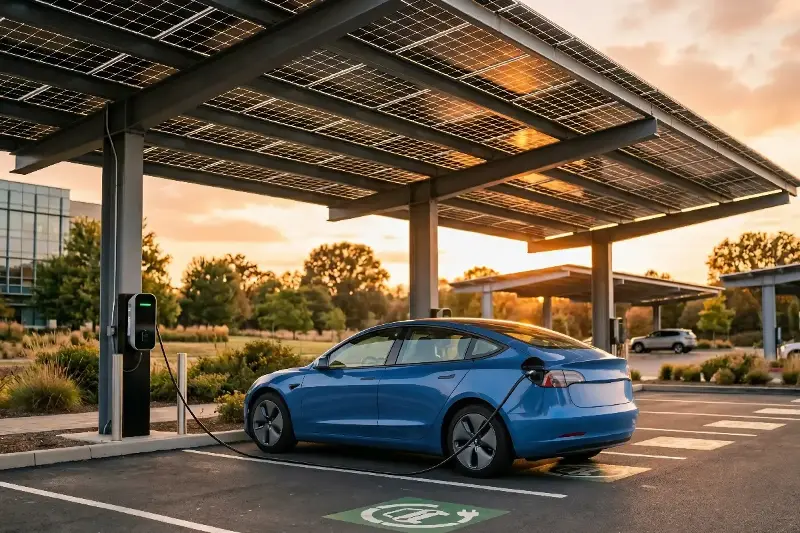
Electric vehicles are no longer simply a cleaner alternative to petrol cars. They are becoming moving parts of a much larger energy ecosystem, connected seamlessly to batteries, charging networks, solar power, data centres, and smart software. Technology companies that once competed mainly through phones, cloud platforms, and online services are now helping shape how people travel and how electricity is produced, stored, and used.
The scale of this transition is remarkable. Over one in five cars sold globally is an electric vehicle, according to the International Energy Agency. At the same time, renewable energy is expanding rapidly, driven by breakthrough growth in solar and wind power. Together, these advancements are fueling an inspiring race to build the digital tools and physical infrastructure behind a cleaner, lower-carbon economy.
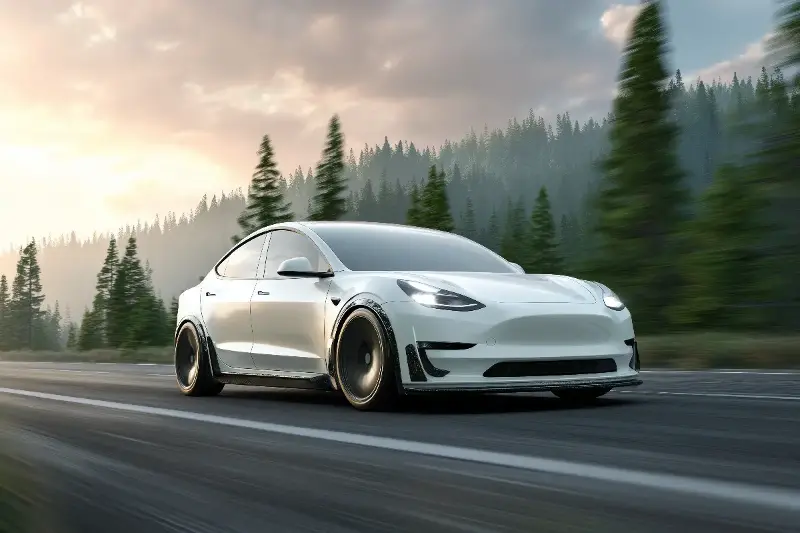
Modern electric vehicles are increasingly defined by intelligent software:
- Over-the-Air Updates: Vehicles continuously improve their performance, adjust features, and add new capabilities remotely without requiring trips to a service center.
- Smart App Monitoring: Drivers can monitor battery charging levels, manage energy consumption, and schedule charging times directly from their smartphones.
- Intelligent Route Planning: Onboard software calculates optimal stops by analyzing real-time charging speeds, traffic conditions, and weather patterns.
Charging Becomes the New Roadside Infrastructure
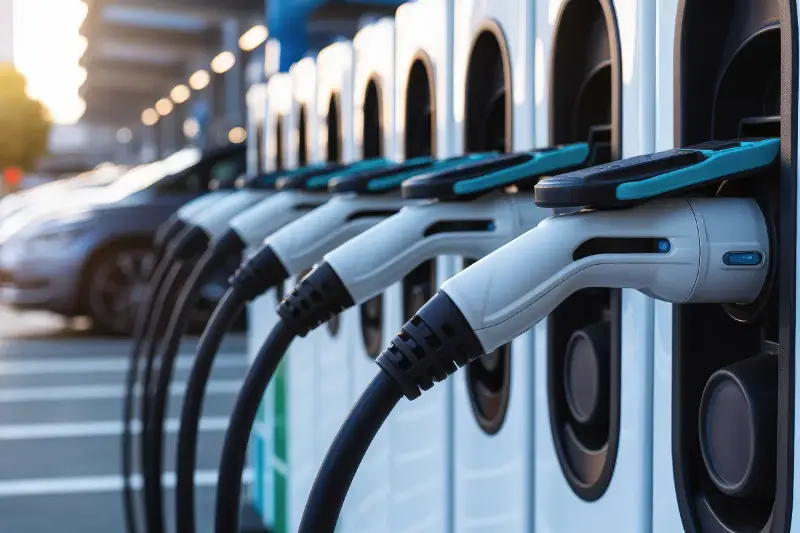
A thriving electric vehicle market relies on widespread, reliable charging solutions. While home charging provides convenience for many, robust public infrastructure remains essential near workplaces, retail hubs, and major highways.
Major tech enterprises are contributing behind the scenes:
- Cloud-Powered Networks: Cloud platforms help charging providers process transactions, monitor hardware health, and detect maintenance needs in real time.
- Smart Demand Forecasting: Artificial intelligence assists operators in identifying optimal locations for new chargers and determining times when electricity prices are lowest.
- Expanded Compatibility: Open charging standards allow multiple vehicle brands to access fast-charging networks, simplifying long-distance travel for everyone.
Reliable infrastructure builds consumer confidence. When charging stations are easy to locate, well-maintained, and transparently priced, clean transportation becomes an effortless choice for everyday drivers.
Batteries Link Transport and Renewable Power
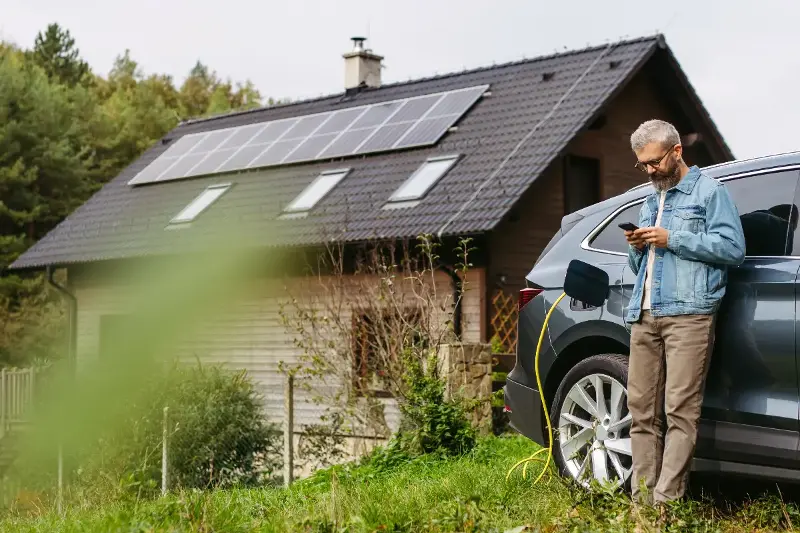
Electric vehicle batteries serve a dual purpose: powering daily drives and storing clean power generated by solar panels and wind turbines. Because solar generation peaks during the day while energy demand spikes in the evening, advanced battery storage helps balance supply and demand.
Key developments in energy storage include:
- Grid-Scale Solutions: Large stationary batteries are being deployed alongside renewable energy projects to store surplus clean electricity for later use.
- Cobalt-Free Chemistry: Lithium iron phosphate (LFP) batteries are gaining popularity due to their long service life, cost efficiency, and sustainable material composition.
- Vehicle-to-Grid Integration: Bidirectional charging enables plugged-in vehicles to return stored power to the electrical grid during peak hours, creating a more resilient energy ecosystem.
Data Centres Powering a Sustainable Digital Future
The shift toward clean energy extends to the massive data infrastructure powering modern cloud computing. Major technology platforms are making substantial investments in renewable power purchase agreements, energy storage, and ultra-efficient cooling technologies.
Ambitious goals are accelerating clean energy adoption globally:
- Leading technology firms are targeting continuous 24/7 carbon-free energy operations.
- Corporate investments provide long-term funding to construct new wind, solar, and geothermal power installations.
- Emerging projects are exploring advanced energy storage to supply clean power consistently around the clock.

A Future Built on Cooperation
Building a sustainable, clean transport network requires active collaboration across industries. Automakers, energy utilities, technology innovators, and local communities are coming together to create accessible, affordable solutions.
Electric vehicles, renewable power, and smart software reinforce one another: better batteries make clean electricity more practical, smarter software simplifies charging, and cleaner grids reduce overall emissions. This spirit of innovation is delivering cleaner air, reliable energy systems, and brighter transport options for communities worldwide.