



Some of the world’s most useful innovations began with a mistake, a spill, a failed experiment, or an unexpected twist. These breakthroughs remind us that scientific progress rarely follows a straight, predictable line. Often, the secret ingredient isn't pure luck alone, but the curiosity to notice something unusual and ask a better question.
From office desks to modern hospitals, many everyday essentials exist because someone paid close attention when things went wrong. Their stories prove that an unexpected result can become a game-changer when persistence, imagination, and practical thinking align at the right moment.
The Sticky Note That Would Not Stick
In 1968, Spencer Silver, a chemist at 3M, attempted to develop an ultra-strong adhesive. Instead, he created a unique glue made of tiny acrylic spheres that was surprisingly weak. Its key feature? It could stick to surfaces and peel off easily without leaving any residue.
For years, Silver searched for a practical purpose for his invention. The breakthrough arrived in 1974 when his colleague, Art Fry, used the weak adhesive to keep paper markers from falling out of his hymnal book. Applying the glue to small notes created reusable, damage-free page markers.
Launched globally in 1980, the Post-it Note became an indispensable workplace tool. It solved a universal daily frustration and proved a valuable lesson: a "failed" material often just needs a brand-new purpose.

Microwave Cooking From a Melted Snack
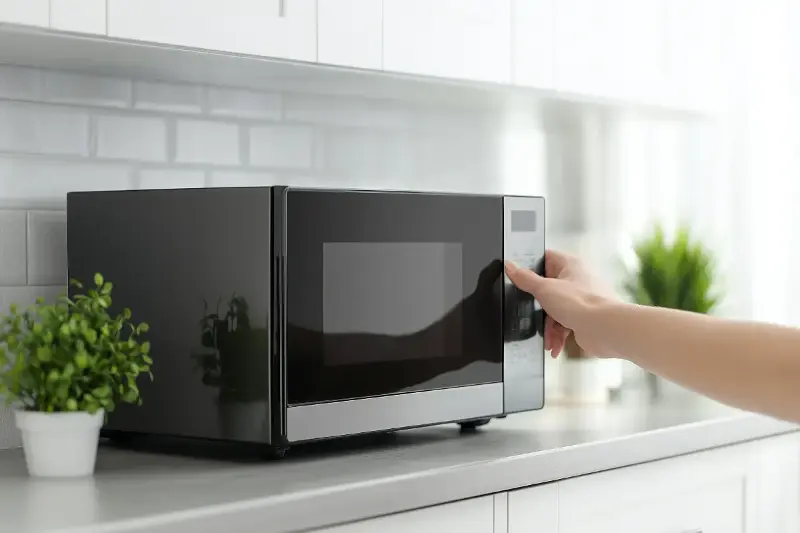
The modern microwave oven was born from a surprising laboratory accident in 1945. Percy Spencer, an engineer testing radar equipment technology, noticed something strange while standing near an active magnetron: the chocolate bar in his pocket had completely melted.
Intrigued rather than annoyed, Spencer conducted quick follow-up tests:
- He placed popcorn kernels near the device, watching them pop instantly.
- He tested an egg, which rapidly heated and dramatically exploded.
Spencer realized that electromagnetic waves could cook food rapidly by exciting internal water molecules. Raytheon launched the first commercial model in 1947, and by the 1970s, compact countertop units transformed kitchens worldwide, making fast heating and quick meal prep a simple daily routine.
The Sweet Origin of the Ice Cream Cone
During the 1904 World’s Fair, an ice cream vendor named Arnold Fornachou unexpectedly ran out of small serving dishes. Seeing his neighbor struggle, Ernest Hamwi, a nearby vendor baking thin, crisp pastry waffles called zalabia, offered a brilliant solution.
Hamwi rolled his warm, fresh waffles into tight, sturdy cones so visitors could easily carry their scoop of ice cream. Key benefits of this sudden innovation included:
- Total portability for busy fairgrounds
- Elimination of glass dish washing
- A delicious, crunchy edible wrapper
While edible pastry cups had appeared in earlier cookbooks, this fairground collaboration popularized the ice cream cone worldwide, turning a busy day's supply crisis into a beloved summer tradition.

Penicillin and the Messy Laboratory
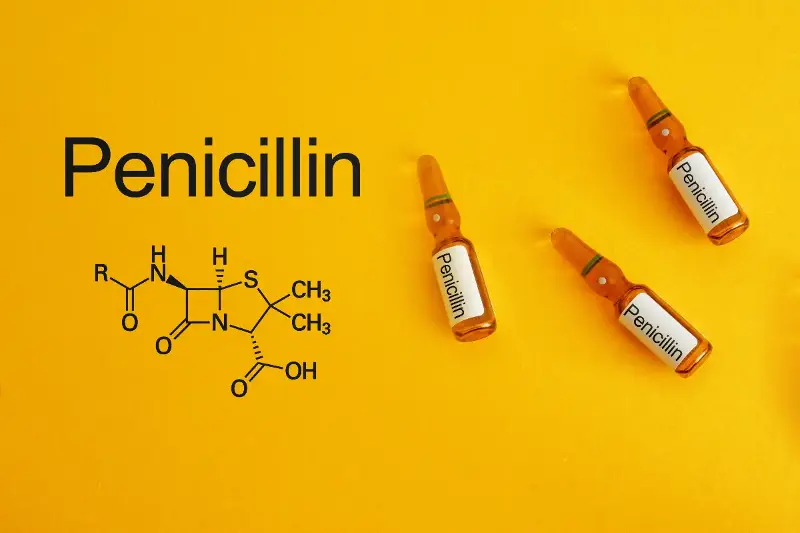
Few accidental discoveries have shaped human history like antibiotic medicine. In 1928, Scottish scientist Alexander Fleming returned to his hospital lab after a long holiday to discover an unwashed petri dish contaminated with natural green mold.
Remarkably, the bacteria surrounding the mold had completely dissolved. Fleming identified the mold strain as Penicillium and realized it produced a powerful bacteria-killing compound.
Later perfected for mass production in the 1940s by researchers Howard Florey and Ernst Chain, penicillin went on to save millions of lives from dangerous infections. Fleming’s legendary keen eye transformed a contaminated experiment into one of medicine's greatest achievements.
Safety Glass From a Broken Flask
In 1903, French chemist Édouard Bénédictus accidentally knocked a glass flask off a high laboratory shelf. Instead of shattering into dangerous, flying shards, the flask cracked while holding its original shape intact.
The flask had previously contained a liquid plastic solution that dried into a clear, invisible coating inside the glass. Bénédictus recognized the lifesaving potential and developed laminated safety glass by sandwiching a tough plastic layer between two glass sheets.
This accidental discovery soon became standard for automobile windshields and modern building windows, dramatically reducing injuries from broken glass.

Embracing the Unplanned Path
Accidental inventions are rarely just moments of random luck. They belong to observant people who notice the unusual, test creative ideas, and imagine how a strange result might improve daily life:
- A weak glue became a global organizing tool.
- A melted chocolate bar reshaped culinary technology.
- A moldy dish opened the door to modern medicine.
These remarkable stories demonstrate that real progress begins with curiosity, patience, and the willingness to take a second look at something that appears to have gone wrong.