



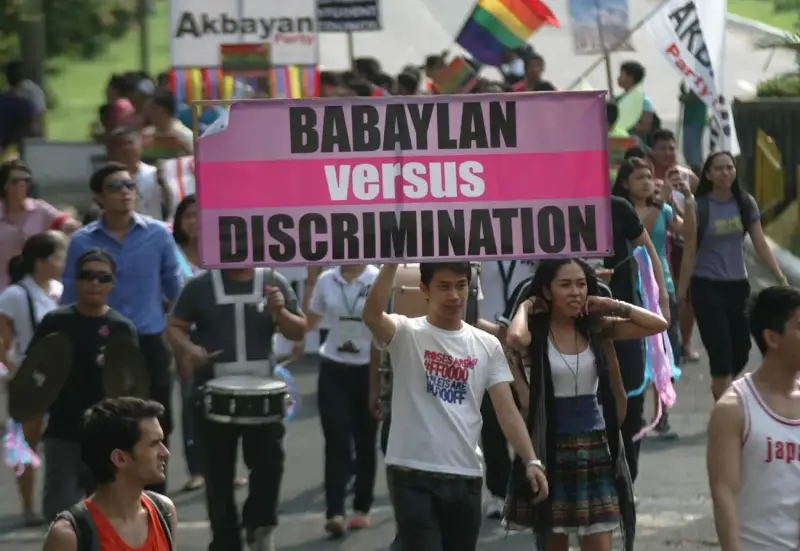
MANILA, Philippines – As the nation celebrates Pride Month 2026, the Commission on Human Rights (CHR) said the lesbian, gay, bisexual, transgender, queer, intersex, asexual, and more (LGBTQIA+) community continues to experience harassment and discrimination in various aspects of life.
The CHR, as the country’s gender ombudsman, recognizes the progress made by the local government units (LGUs), schools, and workplaces and other institutions that have adopted gender-inclusive policies and practices, Chairman Richard Palpal-latoc said on Tuesday.
While these developments are encouraging, significant challenges remain, Palpal-latoc said.
“Cases involving the profiling and harassment of transgender persons in public spaces, denial of benefits for same-sex partners, discriminatory hiring practices, and other forms of prejudice underscore the urgent need for stronger and more consistent legal protection,” the CHR chief said.
The commission emphasized that Pride Month was not only a celebration of diversity, it was also an affirmation of the right of every person to be recognized, respected, and treated equally, regardless of sexual orientation, gender identity, gender expression, or sex characteristics.
“It is a reminder that human rights begin with the recognition of our shared humanity and the equal worth of every individual,” the top CHR official said.
The CHR reiterated its appreciation on LGUs that have enacted anti-discrimination ordinances as well as initiatives that promote inclusive workplaces, accessible services, and safer spaces for persons of diverse sexual orientations, gender identities and expressions, and sex characteristics (SOGIESC).
Palpal-latoc said the agency has been urging policymakers to prioritize the passage of the Sexual Orientation, Gender Identity, Gender Expression, or Sex Characteristics Equality Bill and the Comprehensive Anti-Discrimination Bill.
These measures are critical to institutionalizing protection against discrimination and ensuring that all persons can participate fully in society and access their rights without fear, invisibility, or exclusion,” said Palpal-latoc, a lawyer.
The CHR stressed that equal employment opportunities must be upheld in both the public and private sectors.
“Employment, education, healthcare, and public services should be accessible to all on the basis of fairness, merit, and respect for human dignity, free from prejudice and discrimination,” Palpal-latoc said.