



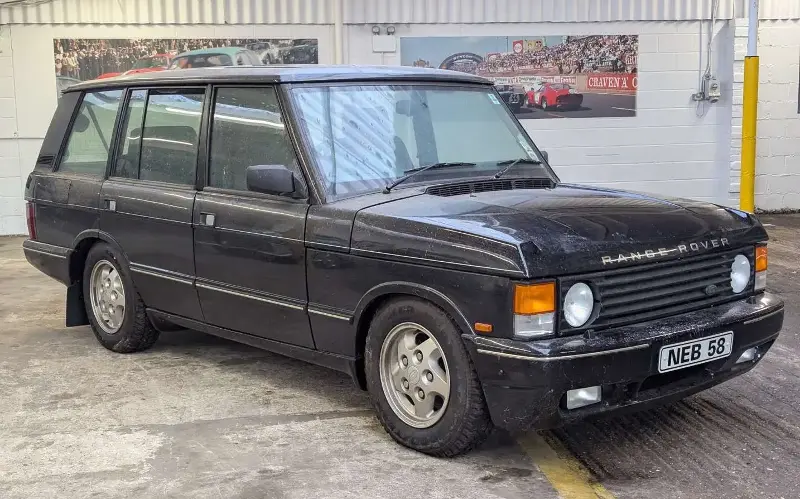
In February, a 1994 Range Rover LSE 4.2 V8 automatic sold at auction for £120,000. It wasn’t particularly rare when new; what made it so valuable was that it had covered only 756 miles. Its original owner died when the car was still relatively new and his widow left it untouched in the garage for 30 years.
So how likely is it that some ordinary cars sitting on British driveways or forgotten in garages today could be worth far more than anyone expects? And what factors combine to produce a future classic?
The demand for cars such as the 1990s Range Rover, known as “modern classics”, is driven by a combination of factors, including nostalgia, according to John Mayhead of classic car insurer and specialist in collector-car valuations and market data, Hagerty.
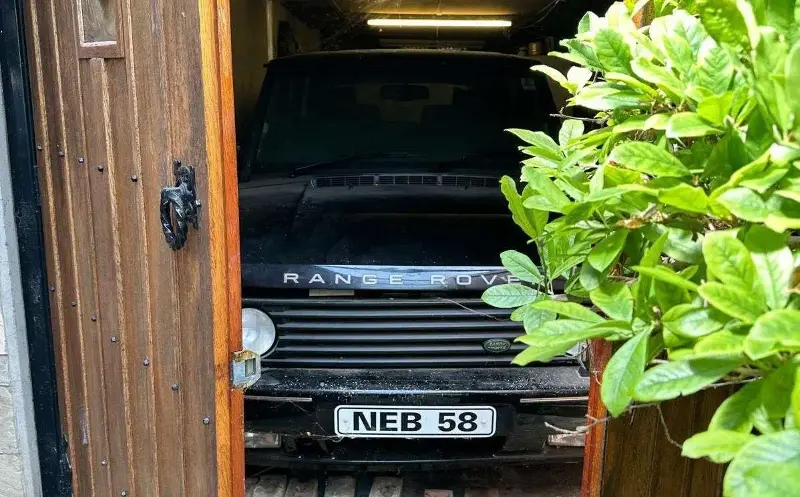
Mayhead, the author and editor of the Hagerty UK Price Guide, explains the popularity of hot hatchbacks and cars from the 1980s and 1990s in particular: “These are the decades when Gen X were young and impressionable. They’re now in their 40s and 50s, at peak earning capacity and buying their childhood automotive heroes.
“This isn’t speculation; Hagerty has watched Gen X ownership increase significantly over the past 10 years.”
It’s an insight that James Dennison, a consultant and associate at specialist auction house Brightwells, concurs with.
The power of nostalgia
“Nostalgia is a hugely important factor because what drives prices up are people in their 40s and 50s who are at the peak of their earning power and want to buy the cars of their youth that they could never afford at the time, or the cars that their dads and favourite uncles drove,” he says.
But nostalgia alone isn’t enough. Dennison argues that it is rare for unfashionable cars to become a classic. However, the very high attrition rate among humdrum cars means they can quickly become scarce. Eventually, that scarcity can make the survivors desirable.
“Cars such as the MG Metro, Vauxhall Cavalier or the Nissan Cherry,” he says. That’s the irony; the cars most likely to disappear are often the ones nobody thought worth preserving.
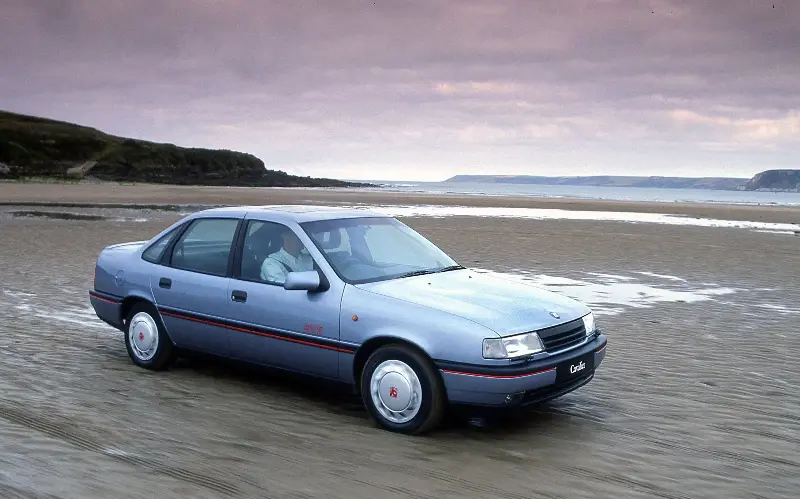
Mayhead explains that collectibility is such a complex subject that Hagerty uses an algorithm that assesses and weights more than 20 factors. Rarity matters, but so does a car’s cultural impact – whether it appeared in a film or was driven by a celebrity – as well as its racing provenance and the reputation of its manufacturer.
“Survival rates and originality may affect the car’s value today but they’re also a factor of collectibility: a Ferrari 308 is more likely to survive and be kept original than, say, a Vauxhall Nova, although the latter may be rarer,” he says.
Will Smith, car specialist at auctioneer RM Sotheby’s, adds that scarcity is fundamental to a car’s value. “You look at how many were built in the first place and how many are left,” he explains. His own 2001 BMW Z3 M Coupe is a case in point: only 123 were built for the UK, making it inherently rare.
So there is no single recipe for a future classic. Broadly, it comes down to a combination of scarcity, desirability, brand strength and nostalgia.
Can EVs be classics?
As the industry moves towards electrification, Smith expects demand for petrol cars to increase, particularly those with manual gearboxes and naturally aspirated engines. Dennison agrees: “Electric cars are all very well, but they have so little character compared with combustion-engine cars.”
Mayhead points out that the trend is happening. “There’s already a demand for analogue sports cars, with prices of such Noughties cars rising as they are being identified as ‘peak’ driver’s cars.”
Nevertheless, Smith argues that there is a place for EVs and that some will eventually become classics. But rarity, desirability and significance will still determine which ones.
“One example that has become a bit of a classic in recent years is the original Tesla Roadster,” he says.
He’s also been impressed by the low-volume electric performance cars from British manufacturer McMurtry, such as the Spéirling Pure.
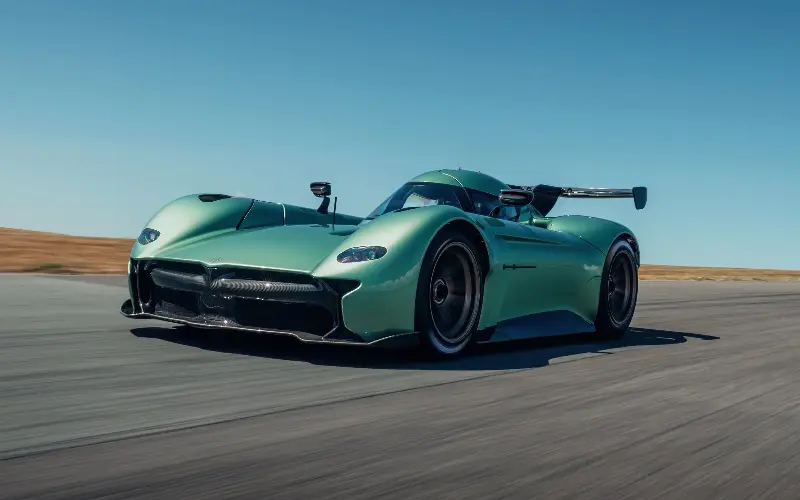
“These types of cars have the potential to become collectible, because they’re built in small numbers, while their technical abilities are unbelievable, by anyone’s standard.”
But Dennison’s advice applies to any purchase, investment or not: “Buy the best example you can find of the car you have always really wanted. The joy you get from owning it will far outweigh any financial gains that you may or may not make.”
Tomorrow’s classics to consider today
Based on conversations with these experts, these six cars could well become future classics – along with a scintillating new British sports car that can only appreciate in value.
Audi A2 (1999-2005)
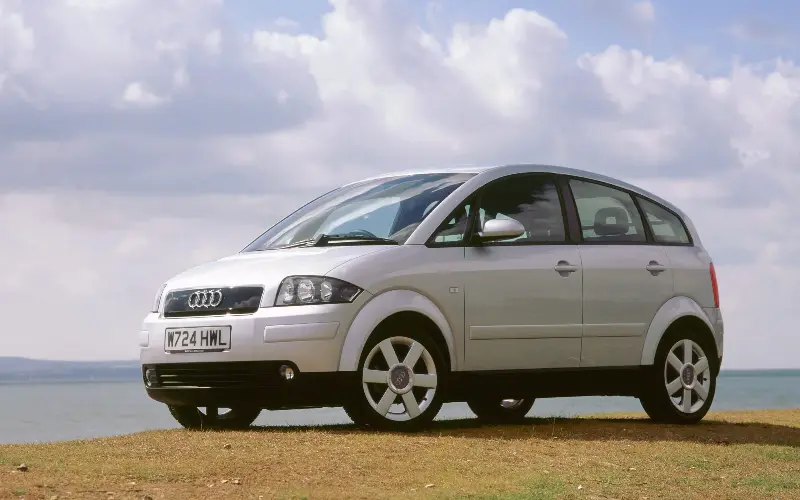
The small five-door A2 was ingeniously lightweight and beautifully engineered. Its combination of aluminium construction and distinctive design could eventually make it more appreciated by collectors, particularly as good examples become harder to find.
That said, it’s best to avoid cars with the optional panoramic glass roof, as the plastic drive cables are prone to snap or bind over time and repairs can be costly. Dennison advises that the best buy is the 1.4 TDI, which is amazingly frugal and reliable, whereas the 1.6 FSI petrol model is more maintenance-intensive.
Approximate current value: £2,000-£3,000 for a 1.4 TDI
BMW i3 (2014-2022)
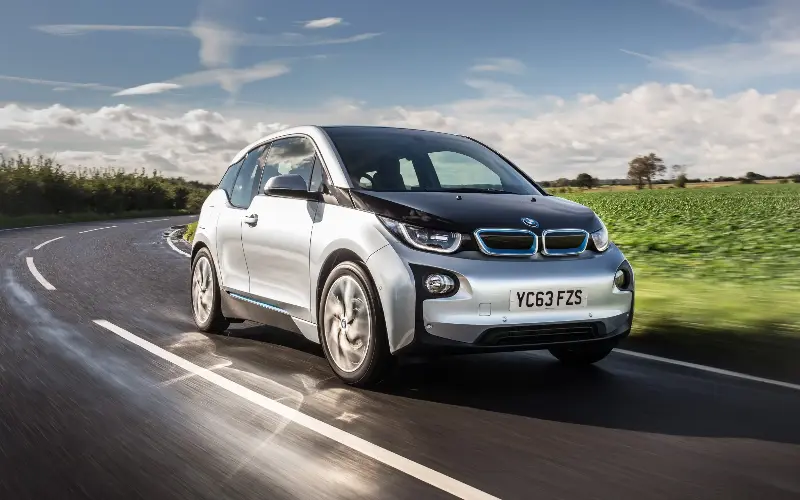
Dennison also highlights BMW’s first purpose-built electric car, which brimmed with novel design and clever engineering. Its carbon-fibre construction kept weight remarkably low, while the absence of a conventional B-pillar allowed its unusual rear-hinged doors.
Its biggest drawbacks were its price, limited range and compromised practicality. Yet as the first generation of mainstream EVs ages, the most distinctive may become reminders of the technology’s development.
The best i3 models are those from 2019-2022, which have the greatest range of 150-190 miles (early models from 2014-2015 managed only 50-70 miles in real-world driving). The Range Extender models are an interesting alternative, although the two-cylinder petrol engine that generates electricity can be troublesome.
Approximate current value: £10,000-£15,000 for a 2019-2022 42.2kWh model
BMW E46 M3 (2000-2006)
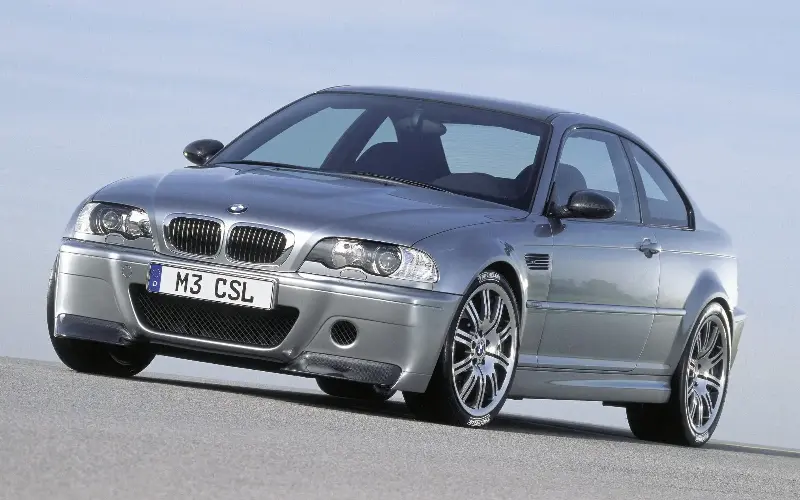
Already an all-time classic, the high-performance variant of the E46-generation of the 3-Series is tipped by Smith to appreciate even further, given its lineage and the way that the earlier E30 M3 from the 1980s has rocketed.
The 3.2-litre straight-six engine, revving to almost 8,000rpm, is a gem while the beautifully balanced chassis makes it one of the great driver’s cars.
As you might expect of such a stellar reputation, good ones aren’t cheap. Buyers should beware of cracks around the rear axle carrier panel – a notorious weakness that can be expensive to correct.
Approximate current value: £20,000-£30,000 for a good example
Mazda MX-5 Mk2 (1998-2005)
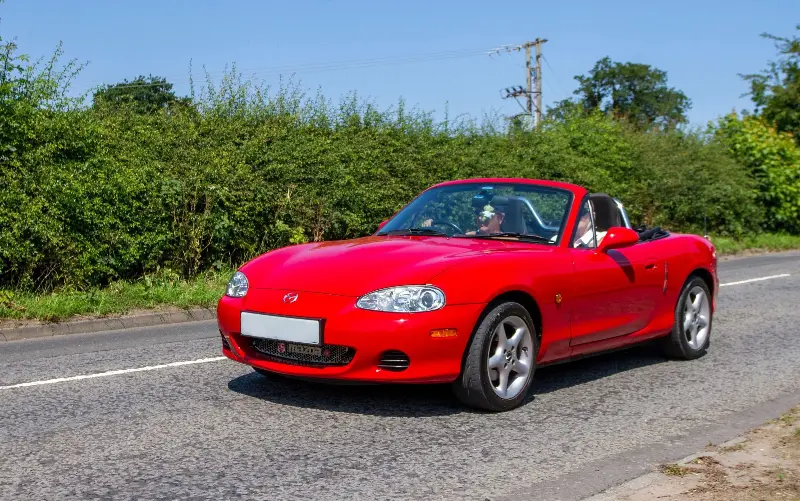
An especially interesting lower-cost future classic, according to Smith. They can be bought relatively cheaply, are simple, easy to modify and have a huge cult following.
“As time goes on, fewer and fewer will be available, and people will appreciate the simplicity and how gorgeous they are to drive,” he says.
That said, they can suffer badly from rust and should be inspected carefully before buying.
Approximate current value: £2,000-£3,000 for a Mk2/NB 1.8
Renault Twingo Mk1 (1993-2007)
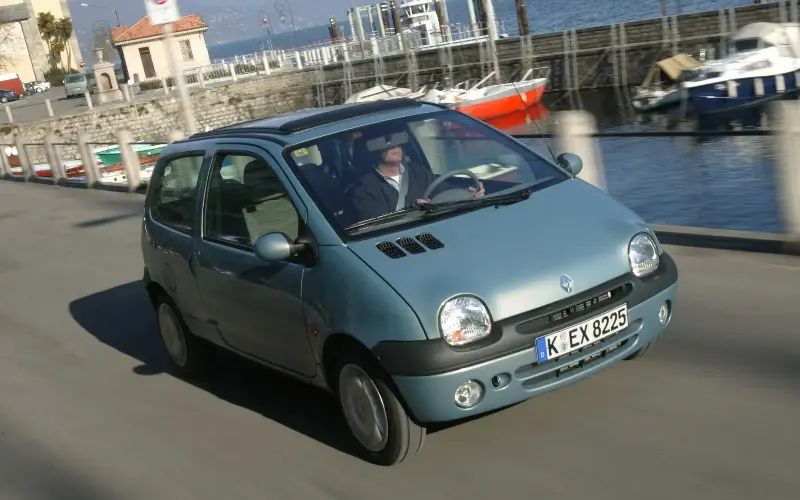
Mayhead recommends the Mk1 Twingo as “quirky in the best tradition of French cars, instantly recognisable and achingly cool”.
One of the great unsung designs of the 1990s, the Twingo was a triumph of doing more with less. Only 3.43m long, its one-box shape and sliding rear seat created astonishingly generous space inside, while its cheeky styling made it instantly recognisable.
Never officially sold in Britain, small numbers of the left-hand-drive Twingo were imported by enthusiasts and only a few hundred are estimated to survive. A future classic? Almost certainly.
Approximate current value: £1,500-£4,000
Longbow Speedster
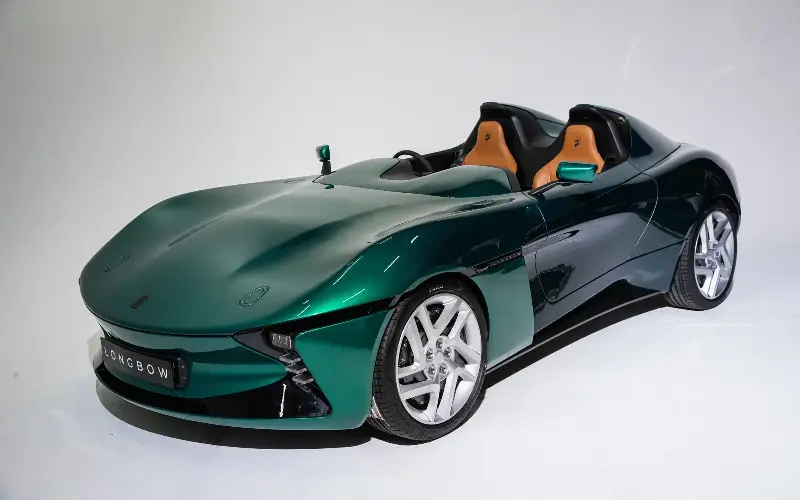
Mayhead describes the Speedster as “a truly innovative British EV roadster” that is “superb, lightweight, clever, beautiful and built in small numbers”. Its potential to increase in value has already been identified: “I’ve spoken to some serious collectors who have already invested in ordering one.”
Its tiny production run could make it an intriguing future collectible, while its combination of lightweight engineering and electric power gives it a place in the story of the transition from combustion engines. The only downside for most people is the price.
New price: £84,895