



Your yard may look quiet as winter approaches, but your plants still need some attention. Cold temperatures are only part of the challenge. Dry soil, harsh winds, hungry animals and even the salt used to clear your driveway can take a toll on trees and shrubs.
Before the weather turns, take a walk around your property and think about which plants might be most vulnerable. A recently planted tree, an evergreen beside a windy driveway and an established shrub in a sheltered garden bed can have very different needs. Focus your efforts on the plants that need extra support rather than treating everything in your yard the same way.
Start by checking soil moisture. Cooler weather does not necessarily mean your plants have enough water, especially after a dry fall. Newly planted trees and shrubs need particular attention because their roots are still becoming established. Evergreens also retain their foliage through winter and can lose moisture when conditions make it difficult for roots to replace it. Check beneath the mulch and water as needed before the ground freezes, accounting for rainfall and avoiding saturated soil.
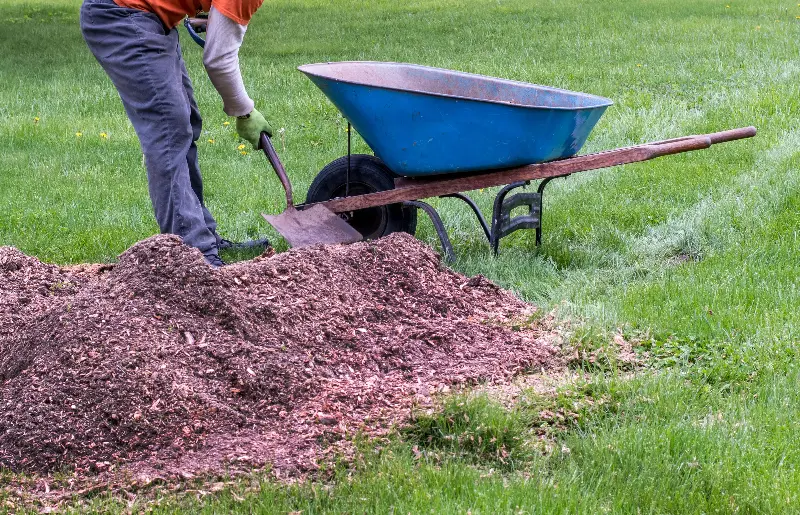
Next, look at what is protecting the roots. Mulch helps retain moisture and moderate soil temperatures, but more is not always better. Check the depth of the existing layer before adding any. About 2 to 3 inches is generally sufficient, and it should stay several inches away from trunks and stems. If mulch is piled against a tree like a volcano, pull it back. The goal is to cover the surrounding soil without burying the base of the plant. If you are unsure where to start, Angi’s guide to properly mulching around trees explains how to protect roots without piling material against the trunk.
Pay attention to exposure, too. An evergreen that sits in the path of strong winter winds may benefit from a burlap barrier. However, not every shrub needs to be wrapped, and protection should be selected and installed for the specific plant and location. A local landscaping professional or cooperative extension office can help you determine whether a barrier would be useful and how to position it.
Cold weather can also bring hungry visitors. Rabbits, rodents and deer may feed on bark, twigs and foliage when other food becomes scarce. Look for signs of previous damage, particularly around young trees. An appropriately fitted tree guard or protective barrier may help, but it needs to allow room for growth and account for the height of expected snow. Check these protections periodically rather than assuming they can be left unattended all season.
Think ahead about where snow will go when you clear your driveway and walkways. A planting bed may seem like a convenient place to pile it, but heavy shoveled or plowed snow can damage delicate shrubs. Identify a better location before the first storm and point out vulnerable plants to anyone helping with snow removal. Keep deicing salt away from planting beds as much as possible, since salt spray and runoff can injure plants.
Resist the urge to prune shrubs simply to make them look tidy before winter. The right timing depends on the plant, and cutting certain shrubs now could remove next season’s flower buds. If you are unsure what you have or when it should be pruned, take a photo and ask a local expert. Broken or potentially hazardous tree limbs deserve prompt professional evaluation, especially near your home or utility lines.
If you are bringing in a professional, ask for a plan that identifies which plants need protection and why. Explain what was planted recently, where you have seen damage before and which areas receive the most wind or snow. Those details can help a landscaper recommend useful work and give you clear instructions for any care you can handle yourself.
Winter preparation does not have to mean wrapping every shrub or adding mulch to every bed. A few targeted steps can help protect your landscaping investment. If you need help assessing your yard, Angi can help you plan ahead with tips for protecting your trees from winter storms.
____
Got a home question? Ask Angi. From seasonal yard care to major renovations, no question is too big or too small. Send us a DM on Instagram or Facebook for a chance to have your question answered in a future column.
____
Tweet your home care questions with #AskingAngi and we’ll try to answer them in a future column.