


According to Dr. Nguyen Thi Diem Huong, a specialist at the University of Medicine and Pharmacy Hospital of Ho Chi Minh City - Branch 3, in the treasure trove of traditional Eastern medicine, astragalus has long been considered one of the top herbs for tonifying qi (vital energy), effective in treating weakness, prolonged fatigue, susceptibility to illness, and slow-healing wounds.
Why is astragalus used for tonic purposes?
Astragalus membranaceus is the dried root of a medicinal plant belonging to the legume family. According to traditional medicine, astragalus membranaceus has a sweet taste and functions to tonify qi (vital energy), reduce sweating, promote diuresis, and aid in recovery from injury. It is commonly used in cases of general weakness, fatigue, poor appetite, prolonged diarrhea, or excessive sweating due to qi deficiency.
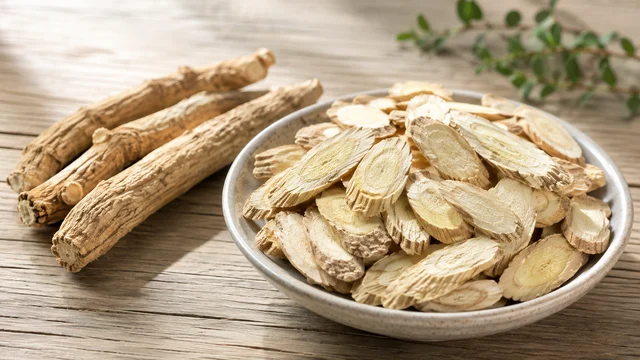
The use of astragalus for health enhancement requires professional consultation with a doctor.
PHOTO: LC CREATED BY GPT
Modern studies have identified several groups of active compounds in astragalus, including polysaccharides, triterpenoid saponins, flavonoids, and isoflavonoids. Among these, polysaccharides and astragaloside 4 have been extensively studied for their antioxidant, anti-inflammatory, and immune-regulating properties.
Some preliminary studies have indicated that astragalus may affect macrophages, NK cells, T lymphocytes, and certain cytokines involved in the immune response. This herb is also being studied for its potential to help control blood sugar, protect the heart and kidneys, and improve fatigue. However, these results do not mean that astragalus has been proven to prevent or treat these conditions. Much of the current evidence comes from laboratory studies, animal studies, or clinical trials that are limited in scale and methodology.
Is astragalus suitable for everyone?
According to Doctor Diem Huong, although relatively safe, astragalus is not suitable for everyone. Cases requiring caution include:
- The person has a high fever due to an acute infection.
- People with active autoimmune diseases.
- The person has undergone an organ transplant and is currently taking immunosuppressant drugs.
- Pregnant or breastfeeding women.
- People who are allergic to legumes.
According to the National Center for Complementary and Integrative Health (NCCIH) of the U.S. National Institutes of Health , some less common side effects of taking astragalus include rash, itching, abdominal discomfort, or nasal symptoms.
According to traditional medicine, people with yin deficiency symptoms such as frequent internal heat, dry mouth, night sweats, difficulty sleeping, and hot palms and soles should not use this herb without consulting a doctor.
Astragalus may also interact with immunosuppressants or anticoagulants. Therefore, people undergoing treatment for chronic diseases should inform their doctor about all medications and herbal remedies they are using before taking astragalus.
Dr. Diem Huong emphasized that astragalus is not a "miracle drug." Its effectiveness depends on the individual's condition, indications, dosage, and how it is combined with other treatments. People should not self-medicate for extended periods or use astragalus as a substitute for medications prescribed by a doctor.
The integration of traditional and modern medicine should be based on scientific evidence and guided by professionals to maximize the value of medicinal herbs while minimizing unnecessary risks.