


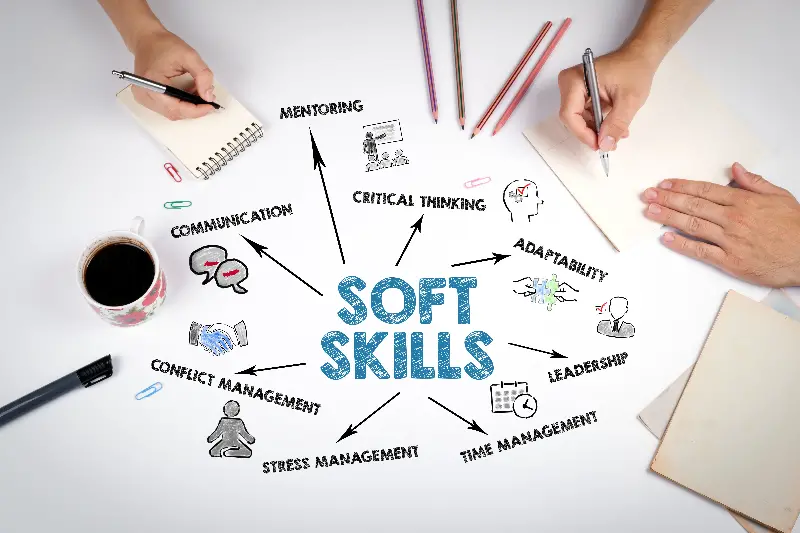
Entering the workforce is one of the most exciting steps in any student’s life. After years of studying equations, memorizing historical dates, and tackling science labs, you’re finally ready to take on the world. Yet, while grades and technical know-how are important, there’s another set of skills that can truly unlock the doors to your dream job: soft skills. These powerful abilities are often overlooked, but they’re the secret sauce that separates good employees from great ones—and they’re in higher demand than ever before.
WHY SOFT SKILLS MATTER MORE THAN EVER
In today’s rapidly changing job market, employers know that technical proficiency alone isn’t enough. According to a LinkedIn Global Talent Trends report, 92% of talent professionals and hiring managers say soft skills are just as important as, or even more important than, hard skills. Companies look for candidates who can communicate, adapt, and thrive in collaborative environments.
The need for soft skills goes far beyond interviews—they are essential for career advancement, building professional relationships, and handling the unexpected challenges that arise in almost any job. In fact, research by Harvard University and the Stanford Research Center has found that as much as 85% of job success comes from having well-developed soft skills, with only 15% attributed to technical skills. No matter your major, mastering these traits is your key to standing out.
ESSENTIAL SOFT SKILLS EVERY STUDENT NEEDS
So, what are these "magic ingredients" that can set you apart? Let’s take a closer look at the most vital soft skills you can start developing today:
- Communication: More Than Just Talking Clear, confident communication is the foundation of nearly every profession. It includes both what you say and how you listen. Whether you’re crafting a persuasive email or presenting a group project, strong communication makes you more memorable and trustworthy.
- Collaboration and Teamwork: Thriving Together Almost every career path requires some form of teamwork. Employers want to know that you can work well with people from diverse backgrounds and handle disagreements respectfully. Teamwork is about compromise, empathy, and knowing when to lead versus when to support.
- Adaptability: Embracing Change The world of work is constantly evolving. Adaptability means being comfortable with uncertainty and open to new ideas. Students who are adaptable show resilience in the face of challenges and adjust quickly to shifting circumstances.
- Problem-Solving and Critical Thinking: Finding Creative Solutions Employers treasure employees who aren’t just able to spot problems but are eager to find solutions. This involves analyzing a situation, identifying obstacles, and thinking creatively to overcome them without a "manual."
- Emotional Intelligence: Understanding Yourself and Others Often called EQ, this is your ability to understand your own emotions and recognize them in others. People with high EQ tend to handle stress better and navigate office politics more gracefully.

HOW TO START BUILDING SOFT SKILLS NOW
The good news is, you don’t need a formal class to develop these skills. You can start growing today by engaging in the following:
- Join clubs or volunteer: These environments provide low-stakes ways to practice leadership and coordination.
- Seek feedback: Ask mentors, teachers, or even friends for honest critiques on your communication style.
- Take on leadership roles: Even small roles in student organizations can sharpen your decision-making abilities.
- Internships and part-time jobs: These offer hands-on opportunities to see how professional environments function in real-time.
UNLOCK YOUR FUTURE: INVEST IN YOURSELF
No matter what the future holds, one thing is certain: technical skills will open doors, but soft skills will help you walk through them. By investing in your communication, collaboration, and emotional intelligence, you aren't just getting a job—you’re building a foundation for a rewarding, dynamic career.
As you prepare to tackle the professional world, don’t just focus on what you know—think about how you connect, adapt, and grow with others. Your future self (and your future employers) will thank you.